


Business Programme
16 March
09:30–10:45
Lomonosov Cluster of the Sparrow Hills ISTC of Moscow State University, 1st floor, conference hall 1
Broadcast
School of Leaders. Managerial Potential in Healthcare: Flexibility and Adaptation to Industry Changes
People and the Environment
Given the rapid transformation of the healthcare industry, fundamentally different approaches to managing medical institutions and regional systems are becoming more and more important. Governments are increasingly concerned about who is at the helm at the local level. Competitive managers who combine strong management skills and key expertise are the main resource of modern healthcare systems and the drivers of future transformation. What is the best way to identify promising leaders? Where can people study healthcare management today? And how can future managers be trained and motivated?
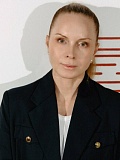 Olga Kobyakova — Central Research Institute for Organization and Informatization of Health Care of the Ministry of Health of the Russian Federation
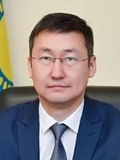 Timur Sultangaziyev — First Vice Minister of Health of the Republic of Kazakhstan
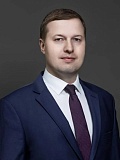 Sergey Bocharov — First Vice-Rector, Management Workshop "Senezh", Presidential Platform "Russia - Country of Opportunities"
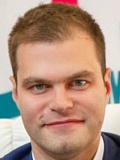 Georgy Nadareishvili — First Vice-Rector, Pirogov Russian National Research Medical University
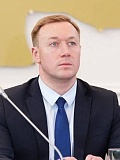 Valery Royuk — Vice-Rector for Youth and Educational Work; Director, Institute of Leadership and Healthcare Management, Sechenov University
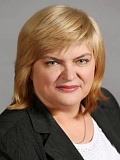 Tatyana Semenova — Deputy Minister of Health of the Russian Federation
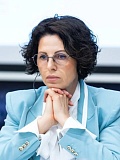 Elena Shamal — Advisor to the Department for Cooperation in the Political, Humanitarian, and Social Spheres of the Executive Committee of the Commonwealth of Independent States
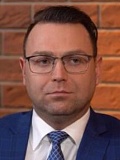 Alexander Zharkov — Chairman, Health Committee of the Leningrad Region
Moderators:
 Olga Kobyakova — Central Research Institute for Organization and Informatization of Health Care of the Ministry of Health of the Russian Federation
Olga Sergeevna Kobyakova was born in Tomsk in 1974. She graduated from Siberian State Medical University with a degree in therapeutics, followed by postgraduate and doctoral studies. After graduating from the university, she held the position of a doctor at the Tomsk Regional Clinical Hospital. From 2003 to 2014, she worked in the Department of Health of the Tomsk Region, moving from chief specialist-therapist to department head. In 2012–2014, she studied in London under the EMBA program at Kingston University in the field of "strategic management." As the head of the regional health department, she oversaw the implementation of the program "Modernization of Healthcare in Tomsk Oblast for 2011–2013." According to the results of the program implementation, according to the estimates of the Ministry of Health, Tomsk Oblast has become one of the leading regions. Since graduating from SibGMU, she has combined state service with scientific and pedagogical activities, being a part-time employee of the medical university. In 2008, she created and headed the Department of General Medical Practice at SibGMU. Professor, Doctor of Medical Sciences. Author of 199 scientific publications and educational-methodological works. In 2015, appointed to the position of Rector of the Siberian State Medical University.
 Timur Sultangaziyev — First Vice Minister of Health of the Republic of Kazakhstan
Speakers:
 Sergey Bocharov — First Vice-Rector, Management Workshop "Senezh", Presidential Platform "Russia - Country of Opportunities"
 Georgy Nadareishvili — First Vice-Rector, Pirogov Russian National Research Medical University
 Valery Royuk — Vice-Rector for Youth and Educational Work; Director, Institute of Leadership and Healthcare Management, Sechenov University
 Tatyana Semenova — Deputy Minister of Health of the Russian Federation
 Elena Shamal — Advisor to the Department for Cooperation in the Political, Humanitarian, and Social Spheres of the Executive Committee of the Commonwealth of Independent States
Front row participant:
 Alexander Zharkov — Chairman, Health Committee of the Leningrad Region
16 March
09:30–10:45
Lomonosov Cluster of the Sparrow Hills ISTC of Moscow State University, 3rd floor, conference hall 4
Broadcast
The Health of Future Generations: How to Establish the Right Attitude?
People and the Environment
In partnership with Magnit
Such patterns as adhering to healthy habits and psychological resilience to destructive stimuli can be instilled in childhood. The most important thing is to create an environment in which children perceive regular physical activity and healthy eating not as an obligation, but as a natural and enjoyable part of everyday culture, a source of energy and well-being. Social learning is key: children learn norms primarily by observing and imitating their parents and other significant adults in their lives. This includes such habits as actively playing together, taking walks instead of sitting around, a preference for healthy foods and a healthy diet, and an attitude toward sports as a game and source of joy. Daily parental examples are the most powerful and long-lasting educational tool, which lays the foundation for a healthy and active lifestyle for decades to come. Can a system of norms and rules be integrated at the level of individual families and the state? And how can healthy lifestyle recommendations be adapted to a specific person’s living conditions?
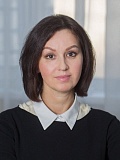 Evgenia Kotova — Deputy Minister of Health of the Russian Federation
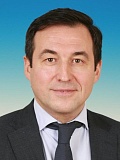 Dmitry Gusev — First Deputy Chairman of the Committee of the State Duma of the Federal Assembly of the Russian Federation on Control
 Oksana Maklakova — Creative Director for Strategic Communications, Shkulev Holding
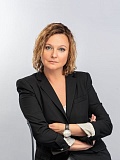 Anna Meleshina — Managing Director, Magnit Group of Companies
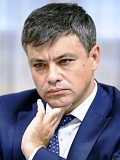 Dmitry Morozov — Director, Veltischev Research and Clinical Institute for Pediatrics of the N.I. Pirogov Russian National Research Medical University of the Ministry of Health of the Russian Federation; Chief Freelance Pediatric Surgeon of the Ministry of Health of the Russian Federation
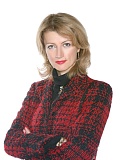 Leila Namazova-Baranova — President, Union of Pediatricians of Russia; Chief Pediatric Specialist in Preventive Medicine of the Ministry of Health of the Russian Federation
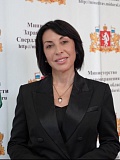 Tatyana Savinova — Deputy Governor of the Sverdlovsk Region; Minister of Health of the Sverdlovsk Region
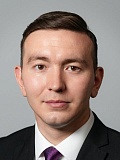 Igor Yurgin — Hero of the Russian Federation; Director of the Department of State Policy in the Sphere of Education, Supplementary Education and Children's Recreation, Ministry of Education of the Russian Federation
Moderator:
 Evgenia Kotova — Deputy Minister of Health of the Russian Federation
Speakers:
 Dmitry Gusev — First Deputy Chairman of the Committee of the State Duma of the Federal Assembly of the Russian Federation on Control
 Oksana Maklakova — Creative Director for Strategic Communications, Shkulev Holding
 Anna Meleshina — Managing Director, Magnit Group of Companies
 Dmitry Morozov — Director, Veltischev Research and Clinical Institute for Pediatrics of the N.I. Pirogov Russian National Research Medical University of the Ministry of Health of the Russian Federation; Chief Freelance Pediatric Surgeon of the Ministry of Health of the Russian Federation
 Leila Namazova-Baranova — President, Union of Pediatricians of Russia; Chief Pediatric Specialist in Preventive Medicine of the Ministry of Health of the Russian Federation
President of the Union of Pediatricians of Russia, Head of the Department of Faculty Pediatrics of the Pediatric Faculty of the Federal State Autonomous Educational Institution of Higher Education of the Russian National Research Medical University. N.I. Pirogov of the Ministry of Health of Russia, Academician of the Russian Academy of Sciences, pastor-president embraced the pediatric association (EPA / UNEPSA).
Namazova-Baranova L.S., born in Moscow in 1963, professor, Academician of the Russian Academy of Sciences, Honored Scientist of the Russian Federation, laureate of the Russian Federation Government Prize in the field of science and technology, Head of the Faculty of Pediatrics Department of the Pediatric Faculty of the Federal State Autonomous Educational Institution of Higher Education Russian National Research Medical University. N.I. Pirogov of the Ministry of Health of Russia, Past President of the European Pediatric Association (EPA-UNEPSA), Head of the Research Institute of Pediatrics and Children's Health of the Scientific and Clinical Center No. acad. B.V. Petrovsky”, chief freelance pediatric specialist in preventive medicine of the Ministry of Health of Russia, chairman of NITAG RF, member of the Bureau of the Executive Committee of the International Pediatric Association (IPA), vice-president of the Global Pediatric Pulmonary Alliance (GPPA). 1987 - graduated with honors from the pediatric faculty of the 2nd Moscow Medical Institute. N.I. Pirogov (now - RNIMU named after N.I. Pirogov);
1990 - completed clinical residency at the Research Institute of Pediatrics of the USSR Academy of Medical Sciences;
2003-2006 - Chief Physician of the Consultative and Diagnostic Center of the Research Institute of Pediatrics of the State Institution of the Scientific Center for Children's Health of the Russian Academy of Medical Sciences;
2006-2015 - Deputy Director of the Center for Scientific Work - Director of the Research Institute of Preventive Pediatrics and Rehabilitation Treatment of the State Institution of the Scientific Center for Children's Health of the Russian Academy of Medical Sciences; 2015-2017 - Director of the Research Institute of Pediatrics - Deputy Director of the Center for Research of the Federal State Autonomous Institution "Scientific Medical Research Center for Children's Health" of the Ministry of Health of Russia;
2019 - Head of the Research Institute of Pediatrics and Children's Health of the Scientific and Clinical Center No. acad. B.V. Petrovsky"
Since 2010 - Head of the Department of Faculty Pediatrics of the Pediatric Faculty of the Federal State Autonomous Educational Institution of Higher Education "Russian National Research Medical University named after N.I. Pirogov” of the Ministry of Health of the Russian Federation (FGAOU VO RNIMU named after N.I. Pirogov of the Ministry of Health of Russia).
Namazova-Baranova L.S. author of more than 1730 scientific papers and 33 inventions. She prepared 12 doctors and 53 candidates of medical sciences. She was awarded the Order of Merit for the Fatherland, IV degree, diplomas of the Ministry of Health of Russia, the Federation Council, and the Government of the Russian Federation.
Advisor to the World Health Organization (WHO). He is the editor-in-chief of the Pediatric Pharmacology journal and a member of the editorial boards of a number of domestic and foreign medical journals.
Fluent in English, French and German, she was elected an honorary professor at the University of Foggia (Italy), an honorary member of the pediatric faculty of the Royal College of Physicians of Ireland, in 2022 she was awarded the title of "Honorary Professor of South US Medical University".
Namazova-Baranova L.S., born in Moscow in 1963, professor, Academician of the Russian Academy of Sciences, Honored Scientist of the Russian Federation, laureate of the Russian Federation Government Prize in the field of science and technology, Head of the Faculty of Pediatrics Department of the Pediatric Faculty of the Federal State Autonomous Educational Institution of Higher Education Russian National Research Medical University. N.I. Pirogov of the Ministry of Health of Russia, Past President of the European Pediatric Association (EPA-UNEPSA), Head of the Research Institute of Pediatrics and Children's Health of the Scientific and Clinical Center No. acad. B.V. Petrovsky”, chief freelance pediatric specialist in preventive medicine of the Ministry of Health of Russia, chairman of NITAG RF, member of the Bureau of the Executive Committee of the International Pediatric Association (IPA), vice-president of the Global Pediatric Pulmonary Alliance (GPPA). 1987 - graduated with honors from the pediatric faculty of the 2nd Moscow Medical Institute. N.I. Pirogov (now - RNIMU named after N.I. Pirogov);
1990 - completed clinical residency at the Research Institute of Pediatrics of the USSR Academy of Medical Sciences;
2003-2006 - Chief Physician of the Consultative and Diagnostic Center of the Research Institute of Pediatrics of the State Institution of the Scientific Center for Children's Health of the Russian Academy of Medical Sciences;
2006-2015 - Deputy Director of the Center for Scientific Work - Director of the Research Institute of Preventive Pediatrics and Rehabilitation Treatment of the State Institution of the Scientific Center for Children's Health of the Russian Academy of Medical Sciences; 2015-2017 - Director of the Research Institute of Pediatrics - Deputy Director of the Center for Research of the Federal State Autonomous Institution "Scientific Medical Research Center for Children's Health" of the Ministry of Health of Russia;
2019 - Head of the Research Institute of Pediatrics and Children's Health of the Scientific and Clinical Center No. acad. B.V. Petrovsky"
Since 2010 - Head of the Department of Faculty Pediatrics of the Pediatric Faculty of the Federal State Autonomous Educational Institution of Higher Education "Russian National Research Medical University named after N.I. Pirogov” of the Ministry of Health of the Russian Federation (FGAOU VO RNIMU named after N.I. Pirogov of the Ministry of Health of Russia).
Namazova-Baranova L.S. author of more than 1730 scientific papers and 33 inventions. She prepared 12 doctors and 53 candidates of medical sciences. She was awarded the Order of Merit for the Fatherland, IV degree, diplomas of the Ministry of Health of Russia, the Federation Council, and the Government of the Russian Federation.
Advisor to the World Health Organization (WHO). He is the editor-in-chief of the Pediatric Pharmacology journal and a member of the editorial boards of a number of domestic and foreign medical journals.
Fluent in English, French and German, she was elected an honorary professor at the University of Foggia (Italy), an honorary member of the pediatric faculty of the Royal College of Physicians of Ireland, in 2022 she was awarded the title of "Honorary Professor of South US Medical University".
 Tatyana Savinova — Deputy Governor of the Sverdlovsk Region; Minister of Health of the Sverdlovsk Region
 Igor Yurgin — Hero of the Russian Federation; Director of the Department of State Policy in the Sphere of Education, Supplementary Education and Children's Recreation, Ministry of Education of the Russian Federation
16 March
11:15–12:30
Lomonosov Cluster of the Sparrow Hills ISTC of Moscow State University, 1st floor, conference hall 2
Broadcast
Salutogenic Design in Detail: A New Look at Medical Institutions
People and the Environment
In partnership with Russian Railways Medicine
The concept of salutogenic design is crucial to creating an environment that promotes the physical and mental health of a nation. It consists of a comprehensive approach to spatial design that not only ensures ergonomics, but also motivates people to adopt healthy practices, while promoting disease prevention and healthy longevity. It is important to introduce the salutogenic principle at all levels: from creating a ‘healthy office’, where a comfortable work environment turns into a resource for reducing the risk of burnout and increasing employee productivity, to rethinking the architecture of medical facilities. In healthcare, the salutogenic approach is particularly significant: studies confirm that the aesthetics and functionality of space directly influence patients’ subjective perception of illness and help them recover more quickly. Designing modern medical facilities with a healing-based environment in mind is no longer a secondary goal, but must be at the forefront of the industry’s strategic development agenda. However, implementing such comprehensive solutions requires coordinated work by interdisciplinary teams comprised of physicians, architects, psychologists, and other specialists. What examples of healing architectural and design solutions have already been successfully implemented at Russian public and private clinics? Does investment in salutogenic environments help to develop a culture of both quality and safety in medical care? Who are the specialists that are skilled in developing health-promoting design, and what kind of skills should they possess?
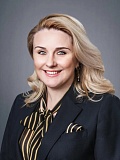 Victoria Madyanova — Director, "Russian Railways Medicine" Academy
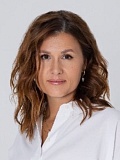 Marina Dubovitskaya — Project Manager "Children’s Play Spaces in Hospitals", Charitable Foundation "Life is a Miracle"
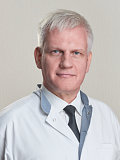 Egor Korchagin — Head Physician, Regional Clinical Hospital of Krasnoyarsk Region
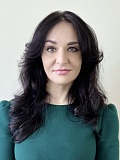 Natalia Kostenko — Head of Medical Activities Management, Central Healthcare Directorate, Russian Railways
 Vitaly Kochergin — Vice-Rector for Academic Affairs and Development, Moscow Architectural Institute (State Academy)
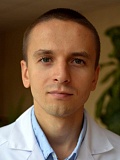 Dmitry Petelin — Associate Professor of the Department of Psychiatry, Psychotherapy and Psychosomatics, N.V. Sklifosovsky Institute of Clinical Medicine, Sechenov University of the Ministry of Health of the Russian Federation
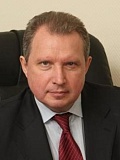 Alexey Khripun — Moscow Government Minister; Head, Moscow Healthcare Department
Moderator:
 Victoria Madyanova — Director, "Russian Railways Medicine" Academy
Speakers:
 Marina Dubovitskaya — Project Manager "Children’s Play Spaces in Hospitals", Charitable Foundation "Life is a Miracle"
 Egor Korchagin — Head Physician, Regional Clinical Hospital of Krasnoyarsk Region
 Natalia Kostenko — Head of Medical Activities Management, Central Healthcare Directorate, Russian Railways
Natalya Kostenko is the Head of the Department of Medical Care at the Central Healthcare Directorate (a branch of Russian Railways).
A qualified doctor, Natalya Kostenko graduated from Vladivostok State Medical University in 1996 with a degree in medical and preventive care.
From 2003, Dr. Kostenko was employed in the system of state sanitary and epidemiological surveillance. In February 2007, she was hired by the Ministry of Health of the Russian Federation, where she worked her way up from chief specialist to Director of the Department of Emergency Medical Care and Health Risk Management.
During her time at the Ministry of Health, Dr. Kostenko proved herself to be a highly competent expert in public health and healthcare organization, human environment protection, disease prevention, and other healthcare-related issues.
In July 2020, she was appointed Head of the Department for the Planning and Organization of Medical Care at the Central Healthcare Directorate (a branch of Russian Railways).
Dr. Kostenko is the recipient of numerous awards for her consistently high performance and professionalism and her years of impeccable work, including: the Order “For Merit to the Fatherland” (2019); the “Excellent Health Worker” badge (2012); official letters of gratitude from the Minister of Health of the Russian Federation (2008 and 2017); certificates of merit from the Ministry of Health of the Russian Federation (2009 and 2016); a Certificate of Merit from the Ministry of Agriculture of the Russian Federation (2010); a Certificate of Merit from Russian Railways (2021); a letter of gratitude from the Governor of Yamalo-Nenets Autonomous Okrug for her assistance in implementing a set of measures to eliminate the locus of an anthrax outbreak (2016); an anniversary commemorative plaque to mark the 100th anniversary of the Nuclear, Biological and Chemical Protection Troops of the Russian Armed Forces (2018); and the RZD Medicine Silver Badge of Distinction (2021).
Dr. Kostenko has worked in the healthcare system for over 18 years, over 14 of which have been in the civil service. She holds the Russian Federation Civil Service grade rank of III Class Active State Adviser of the Russian Federation. She holds a Ph.D. in Medical Sciences.
A qualified doctor, Natalya Kostenko graduated from Vladivostok State Medical University in 1996 with a degree in medical and preventive care.
From 2003, Dr. Kostenko was employed in the system of state sanitary and epidemiological surveillance. In February 2007, she was hired by the Ministry of Health of the Russian Federation, where she worked her way up from chief specialist to Director of the Department of Emergency Medical Care and Health Risk Management.
During her time at the Ministry of Health, Dr. Kostenko proved herself to be a highly competent expert in public health and healthcare organization, human environment protection, disease prevention, and other healthcare-related issues.
In July 2020, she was appointed Head of the Department for the Planning and Organization of Medical Care at the Central Healthcare Directorate (a branch of Russian Railways).
Dr. Kostenko is the recipient of numerous awards for her consistently high performance and professionalism and her years of impeccable work, including: the Order “For Merit to the Fatherland” (2019); the “Excellent Health Worker” badge (2012); official letters of gratitude from the Minister of Health of the Russian Federation (2008 and 2017); certificates of merit from the Ministry of Health of the Russian Federation (2009 and 2016); a Certificate of Merit from the Ministry of Agriculture of the Russian Federation (2010); a Certificate of Merit from Russian Railways (2021); a letter of gratitude from the Governor of Yamalo-Nenets Autonomous Okrug for her assistance in implementing a set of measures to eliminate the locus of an anthrax outbreak (2016); an anniversary commemorative plaque to mark the 100th anniversary of the Nuclear, Biological and Chemical Protection Troops of the Russian Armed Forces (2018); and the RZD Medicine Silver Badge of Distinction (2021).
Dr. Kostenko has worked in the healthcare system for over 18 years, over 14 of which have been in the civil service. She holds the Russian Federation Civil Service grade rank of III Class Active State Adviser of the Russian Federation. She holds a Ph.D. in Medical Sciences.
 Vitaly Kochergin — Vice-Rector for Academic Affairs and Development, Moscow Architectural Institute (State Academy)
 Dmitry Petelin — Associate Professor of the Department of Psychiatry, Psychotherapy and Psychosomatics, N.V. Sklifosovsky Institute of Clinical Medicine, Sechenov University of the Ministry of Health of the Russian Federation
 Alexey Khripun — Moscow Government Minister; Head, Moscow Healthcare Department
16 March
11:15–12:30
Lomonosov Cluster of the Sparrow Hills ISTC of Moscow State University, 3rd floor, conference hall 4
Broadcast
New Paradigms for Protecting the Health of the Working Population: The Path to Labour Longevity
People and the Environment
In today’s world, the health of working-age people has become the key to the wellbeing of society as a whole and the most important factor in the development of the state. The working-age population is a strategic asset, and preserving it requires a qualitative shift in the occupational medicine paradigm. The emphasis is finally shifting from treatment to prevention, from passive monitoring to proactive identification of disease predictors and maximum integration of modern medical technologies directly into the production environment. The most important part of this is looking after both the physical condition and the cognitive, psychological, and emotional wellbeing of employees. The goal we share is to offer the working population effective methods and convenient formats for self-care, teach people how to be healthy and take responsibility for their own health, and transform this process into a sustainable and attractive movement. How can we ensure the maximum integration of healthcare into the operations of enterprises to achieve real labour longevity? What modern technologies allow for the effective diagnosis and treatment of cognitive impairments in the workplace? How can we build a system of personalized prevention programmes that are accessible to every working person?
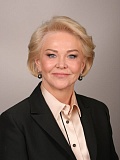 Tatyana Yakovleva — First Deputy Head, Federal Medical-Biological Agency of the Russian Federation
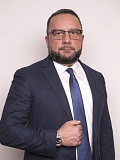 Sergey Antipov — President, National Association "Inotzdrav"; Chairman of the Board of Directors, Center for Corporate Medicine Group of Companies
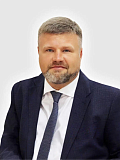 Anton Afanasev — General Director, "Dubna" Special Economic Zone of Technology and Innovation Type
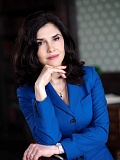 Oksana Drapkina — Director, National Health and Research Centre of Preventive Healthcare, Ministry of Health of the Russian Federation
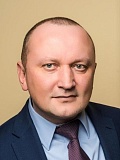 Evgeny Kamkin — Deputy Minister of Health of the Russian Federation
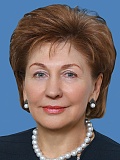 Galina Karelova — Chairman, Council of the Eurasian Women's Forum under the Federation Council of the Federal Assembly of the Russian Federation
 Anna Ratnikova — Senior Researcher, North-West District Scientific and Clinical Center named after L.G. Sokolov of the Federal Medical and Biological Agency of Russia
 Anastasia Stolkova — First Deputy Director for Development, Roscongress Foundation; Member of the Commission of the Public Chamber of the Russian Federation on Healthcare
Moderator:
 Tatyana Yakovleva — First Deputy Head, Federal Medical-Biological Agency of the Russian Federation
Born 7 July 1960 in Goгky oblast.
In 1985, graduated Ivanovo State Medical Institute with honours, majoring in Paediatrics. Worked her way up from a rural hospital nurse to Chief Physician of Teykovo Central Regional Hospital (Ivanovo Oblast).
In 1999, elected Deputy of the 3rd State Duma of Ivanovo single member electoral district No.78 (Ivanovo oblast), also elected Deputy of the 4th, 5th, and 6th State Duma of the Federal Assembly of the Russian Federation.
Acted as Deputy Head of the State Duma Committee for Healthcare and Sports, Head of the State Duma Committee for Healthcare, First Deputy Head of the United Russia fraction at the State Duma of the Federal Assembly of the Russian Federation.
While in the State Duma, was a member of interagency working group on the Healthcare priority national project at the Russian Federation Presidential Council for the Implementation of the Priority National Projects, State Duma Committee for the Juvenile Affairs and Protection of their Rights and Governmental Committee for Combating Drug Abuse and Illegal Drug Trafficking, as well as acted as Deputy Head of State Duma Committee for Technical Regulation.
Doctor of Medicine, Honoured Doctor of the Russian Federation, Professor, co-author of over 59 research publications, 7 textbooks, 6 patents. The winner of the Russian Federation Governmental Award in the field of science and technology. In 2001, graduated Moscow State Social University specializing in Law. Holds top qualification category in Public Health. Chair of the Department on outpatient and social paediatrics at Pirogov Russian National Research Medical University (RNRMU), the Ministry of Health of the Russian Federation.
Decorated with the Order of Honour, Medal of the 2nd degree Order of Service to the Fatherland, Medal of Merit for the National Healthcare; received Citation from Valentina Matvienko, the Chair of the Federation Council of the Federal Assembly of the Russian Federation.
Appointed Deputy Minister of Healthcare of the Russian Federation by Government Order No.1010-р of 18 June 2012.
In 1985, graduated Ivanovo State Medical Institute with honours, majoring in Paediatrics. Worked her way up from a rural hospital nurse to Chief Physician of Teykovo Central Regional Hospital (Ivanovo Oblast).
In 1999, elected Deputy of the 3rd State Duma of Ivanovo single member electoral district No.78 (Ivanovo oblast), also elected Deputy of the 4th, 5th, and 6th State Duma of the Federal Assembly of the Russian Federation.
Acted as Deputy Head of the State Duma Committee for Healthcare and Sports, Head of the State Duma Committee for Healthcare, First Deputy Head of the United Russia fraction at the State Duma of the Federal Assembly of the Russian Federation.
While in the State Duma, was a member of interagency working group on the Healthcare priority national project at the Russian Federation Presidential Council for the Implementation of the Priority National Projects, State Duma Committee for the Juvenile Affairs and Protection of their Rights and Governmental Committee for Combating Drug Abuse and Illegal Drug Trafficking, as well as acted as Deputy Head of State Duma Committee for Technical Regulation.
Doctor of Medicine, Honoured Doctor of the Russian Federation, Professor, co-author of over 59 research publications, 7 textbooks, 6 patents. The winner of the Russian Federation Governmental Award in the field of science and technology. In 2001, graduated Moscow State Social University specializing in Law. Holds top qualification category in Public Health. Chair of the Department on outpatient and social paediatrics at Pirogov Russian National Research Medical University (RNRMU), the Ministry of Health of the Russian Federation.
Decorated with the Order of Honour, Medal of the 2nd degree Order of Service to the Fatherland, Medal of Merit for the National Healthcare; received Citation from Valentina Matvienko, the Chair of the Federation Council of the Federal Assembly of the Russian Federation.
Appointed Deputy Minister of Healthcare of the Russian Federation by Government Order No.1010-р of 18 June 2012.
Speakers:
 Sergey Antipov — President, National Association "Inotzdrav"; Chairman of the Board of Directors, Center for Corporate Medicine Group of Companies
 Anton Afanasev — General Director, "Dubna" Special Economic Zone of Technology and Innovation Type
 Oksana Drapkina — Director, National Health and Research Centre of Preventive Healthcare, Ministry of Health of the Russian Federation
Doctor of medical Sciences, Professor, corresponding member of RAS
Oksana M. graduated from the MMA named after I. M. Sechenov in 1992. From 1992 to 1997 she worked in the intensive care unit of the clinic of internal diseases of MMA named after I. M. Sechenov. From 1997 to 2015 she worked at the Department of internal medicine propaedeutics First Moscow State Medical University named after I. M. Sechenov, where she was promoted from Department assistant to Professor. In 2013, she was Awarded the Russian government prize in the field of education. In 2017 she was appointed to the position of Director of "NMRC PM" of the Ministry of health of Russia.
Professor Drapkina combines ongoing clinical work with research activities.
Awards: diploma of the Ministry of health of Russia, Laureate of the Russian Government prize in education, badge " excellence in health care».
There were defended 16 PhD theses and 1 dissertation for the degree of doctor of medical Sciences under the scientific guidance of O. M. Drapkina, more than 600 scientific article were published in domestic and foreign journals, 7 monographs, 10 textbooks
Oksana M. graduated from the MMA named after I. M. Sechenov in 1992. From 1992 to 1997 she worked in the intensive care unit of the clinic of internal diseases of MMA named after I. M. Sechenov. From 1997 to 2015 she worked at the Department of internal medicine propaedeutics First Moscow State Medical University named after I. M. Sechenov, where she was promoted from Department assistant to Professor. In 2013, she was Awarded the Russian government prize in the field of education. In 2017 she was appointed to the position of Director of "NMRC PM" of the Ministry of health of Russia.
Professor Drapkina combines ongoing clinical work with research activities.
Awards: diploma of the Ministry of health of Russia, Laureate of the Russian Government prize in education, badge " excellence in health care».
There were defended 16 PhD theses and 1 dissertation for the degree of doctor of medical Sciences under the scientific guidance of O. M. Drapkina, more than 600 scientific article were published in domestic and foreign journals, 7 monographs, 10 textbooks
 Evgeny Kamkin — Deputy Minister of Health of the Russian Federation
 Galina Karelova — Chairman, Council of the Eurasian Women's Forum under the Federation Council of the Federal Assembly of the Russian Federation
Deputy Chairperson of the Federation Council of the Russian Federation
Born on 29 June 1950 in the city of Nizhnyaya Salda, Sverdlovsk Region. In 1972, she graduated from the Sergei Kirov Urals Polytechnic Institute with a degree in engineering and economics. PhD in Economics and DSc in Social Sciences, professor. For 20 years she was engaged in teaching and research. Author of over 150 papers on economic, social and political issues.
Since 1990 – delegate, Deputy Speaker (1992–1993) of the Sverdlovsk Regional Parliamentarian Council.
1994–1996 – Deputy of the Council of Federation of the Federal Assembly of the Russian Federation, Chairperson of the Federation Council Committee on Social Policy.
1996–1997 – Deputy of the State Duma of the Federal Assembly of the Russian Federation, Chairman of the Subcommittee on International Humanitarian, Scientific and Cultural Cooperation of the State Duma Committee on International Affairs.
Since 1997 – Deputy and since 2000 – First Deputy Minister of Labour and Social Affairs of the Russian Federation.
April 2003 – March 2004 – Deputy Prime Minister of the Russian Federation on Social Affairs.
April 2004 – December 2007 – Chairperson of the Social Insurance Fund of the Russian Federation.
On 2 December 2007, she was elected a deputy to the Fifth State Duma, Deputy Speaker of the State Duma Committee on Budget and Taxes.
On 4 December 2011, she was elected a deputy to the Sixth State Duma, First Deputy Chair of the State Duma Committee on Labour, Social Policy and Veteran Affairs.
Since 22 September 2014, she is a Representative of the executive authority of the Voronezh Region in the Federation Council. Deputy Speaker of the Federation Council of the Federal Assembly of the Russian Federation, member of the Federation Council Committee on Social Policy. Initiator and drafter of more than 40 laws, including laws on social protection. Full State Counsellor 1st Class of the Russian Federation. Decorated with state orders and medals.
Born on 29 June 1950 in the city of Nizhnyaya Salda, Sverdlovsk Region. In 1972, she graduated from the Sergei Kirov Urals Polytechnic Institute with a degree in engineering and economics. PhD in Economics and DSc in Social Sciences, professor. For 20 years she was engaged in teaching and research. Author of over 150 papers on economic, social and political issues.
Since 1990 – delegate, Deputy Speaker (1992–1993) of the Sverdlovsk Regional Parliamentarian Council.
1994–1996 – Deputy of the Council of Federation of the Federal Assembly of the Russian Federation, Chairperson of the Federation Council Committee on Social Policy.
1996–1997 – Deputy of the State Duma of the Federal Assembly of the Russian Federation, Chairman of the Subcommittee on International Humanitarian, Scientific and Cultural Cooperation of the State Duma Committee on International Affairs.
Since 1997 – Deputy and since 2000 – First Deputy Minister of Labour and Social Affairs of the Russian Federation.
April 2003 – March 2004 – Deputy Prime Minister of the Russian Federation on Social Affairs.
April 2004 – December 2007 – Chairperson of the Social Insurance Fund of the Russian Federation.
On 2 December 2007, she was elected a deputy to the Fifth State Duma, Deputy Speaker of the State Duma Committee on Budget and Taxes.
On 4 December 2011, she was elected a deputy to the Sixth State Duma, First Deputy Chair of the State Duma Committee on Labour, Social Policy and Veteran Affairs.
Since 22 September 2014, she is a Representative of the executive authority of the Voronezh Region in the Federation Council. Deputy Speaker of the Federation Council of the Federal Assembly of the Russian Federation, member of the Federation Council Committee on Social Policy. Initiator and drafter of more than 40 laws, including laws on social protection. Full State Counsellor 1st Class of the Russian Federation. Decorated with state orders and medals.
 Anna Ratnikova — Senior Researcher, North-West District Scientific and Clinical Center named after L.G. Sokolov of the Federal Medical and Biological Agency of Russia
 Anastasia Stolkova — First Deputy Director for Development, Roscongress Foundation; Member of the Commission of the Public Chamber of the Russian Federation on Healthcare
First Deputy Chief Executive Officer for Development, Director of the Healthcare Directorate of the Roscongress Foundation, Head of the Healthy Life and Women for a Healthy Society projects.
Public figure, member of the Regional Health Council of the Federation Council of the Federal Assembly of the Russian Federation, member of the Council of the Eurasian Women's Forum, public representative of the Agency for Strategic Initiatives.
Education:
Financial University under the Government of the Russian Federation, Master's degree in Economics, International Finance and Banking programme.
I.M. Sechenov First Moscow State Medical University, Master's degree in Public Health, Institute of Leadership and Health Management.
Since 2018, she has served as the Head of Healthcare at the Roscongress Foundation and is the creator of the Healthy Life project, which has become the primary platform for healthcare discussions at key business events, including the St. Petersburg International Economic Forum, the Eastern Economic Forum, and others. Over the years, the Healthy Life project has evolved into a multidisciplinary platform for national and international cooperation between government authorities and expert communities to collaboratively explore practical proposals for addressing critical healthcare issues. The Healthy Life Forum is held annually (in 2023, it was conducted as a summit of health ministers from CIS countries).
Since 2021, she has been managing the leading industry event, ‘Ensuring Drug Security’ Russian Pharmaceutical Forum, within the framework of the St. Petersburg International Economic Forum.
In 2021, she launched the Women for a Healthy Society project with the goal of uniting women who are involved in social projects within the health sector. This initiative is being carried out with the support of the Council of the Eurasian Women's Forum. The Women for a Healthy Society project is primarily focused on strengthening the values of health and the institution of the family in the Russian Federation. It aims to support initiatives led by women in the social sphere, which promote healthy lifestyles, provide assistance to motherhood and childhood, and offer support to the older generation.
In 2020, she received a letter of thanks from the President of the Russian Federation for her active participation in the preparation and organization of the Russia–Africa Summit and Economic Forum in 2019.
Also in 2020, she received a letter of thanks from the President of the Russian Federation for her selfless contribution to the Russian nationwide aid campaign We Are Together. This campaign aimed to provide social support to citizens during the COVID-19 epidemic in the Russian Federation.
In 2021, she received a letter of thanks from the Chairman of the Federation Council of the Federal Assembly of the Russian Federation for her great contribution to the preparation and organization of the Third Eurasian Women's Forum.
In 2022, she was awarded the Certificate of Honour of the Public Chamber of the Russian Federation for her outstanding contribution to healthcare and active citizenship.
In 2023, she received a letter of thanks from the Chairman of the Federation Council of the Federal Assembly of the Russian Federation for her contribution to the development of the Eurasian Women's Forum projects.
Also in 2023, she received a Commendation from the President of the Russian Federation for her contribution to the preparation and organization of the 25th St. Petersburg International Economic Forum.
Public figure, member of the Regional Health Council of the Federation Council of the Federal Assembly of the Russian Federation, member of the Council of the Eurasian Women's Forum, public representative of the Agency for Strategic Initiatives.
Education:
Financial University under the Government of the Russian Federation, Master's degree in Economics, International Finance and Banking programme.
I.M. Sechenov First Moscow State Medical University, Master's degree in Public Health, Institute of Leadership and Health Management.
Since 2018, she has served as the Head of Healthcare at the Roscongress Foundation and is the creator of the Healthy Life project, which has become the primary platform for healthcare discussions at key business events, including the St. Petersburg International Economic Forum, the Eastern Economic Forum, and others. Over the years, the Healthy Life project has evolved into a multidisciplinary platform for national and international cooperation between government authorities and expert communities to collaboratively explore practical proposals for addressing critical healthcare issues. The Healthy Life Forum is held annually (in 2023, it was conducted as a summit of health ministers from CIS countries).
Since 2021, she has been managing the leading industry event, ‘Ensuring Drug Security’ Russian Pharmaceutical Forum, within the framework of the St. Petersburg International Economic Forum.
In 2021, she launched the Women for a Healthy Society project with the goal of uniting women who are involved in social projects within the health sector. This initiative is being carried out with the support of the Council of the Eurasian Women's Forum. The Women for a Healthy Society project is primarily focused on strengthening the values of health and the institution of the family in the Russian Federation. It aims to support initiatives led by women in the social sphere, which promote healthy lifestyles, provide assistance to motherhood and childhood, and offer support to the older generation.
In 2020, she received a letter of thanks from the President of the Russian Federation for her active participation in the preparation and organization of the Russia–Africa Summit and Economic Forum in 2019.
Also in 2020, she received a letter of thanks from the President of the Russian Federation for her selfless contribution to the Russian nationwide aid campaign We Are Together. This campaign aimed to provide social support to citizens during the COVID-19 epidemic in the Russian Federation.
In 2021, she received a letter of thanks from the Chairman of the Federation Council of the Federal Assembly of the Russian Federation for her great contribution to the preparation and organization of the Third Eurasian Women's Forum.
In 2022, she was awarded the Certificate of Honour of the Public Chamber of the Russian Federation for her outstanding contribution to healthcare and active citizenship.
In 2023, she received a letter of thanks from the Chairman of the Federation Council of the Federal Assembly of the Russian Federation for her contribution to the development of the Eurasian Women's Forum projects.
Also in 2023, she received a Commendation from the President of the Russian Federation for her contribution to the preparation and organization of the 25th St. Petersburg International Economic Forum.
16 March
15:45–17:00
Lomonosov Cluster of the Sparrow Hills ISTC of Moscow State University, 1st floor, conference hall 1
Broadcast
Special Conditions – Special Programmes: Healthcare in the Far East
People and the Environment
The Far East, a region of key geostrategic importance for Russia, is currently undergoing a stage of systemic transformation. This transformation simultaneously encompasses the economy, infrastructure, social services, and quality of life. Maintaining and increasing the population is becoming crucial to the Far Eastern Federal District’s sustainable development. The specific features of the Far East pose unique challenges to the healthcare system that can only be overcome with a comprehensive approach: from developing healthcare infrastructure and attracting and retaining medical personnel to creating a daily environment that is conducive to a healthy lifestyle. Today, the regions of the Far East, together with the Ministry of Health of the Russian Federation, have drafted and approved regional health programmes through 2030. These programmes require effective collaboration between the regions, municipalities, and government agencies to ensure true access to healthcare services and achieve a tangible improvement in the quality of life for citizens. How should Russia address the issue of access to primary healthcare for residents in hard-to-reach and sparsely populated areas of the Far East? What innovative and breakthrough mechanisms have been introduced to implement programmes in the Far East on a priority basis? What lessons from the Far East Federal District can be replicated in other regions of Russia?
Galina Karelova — Chairman, Council of the Eurasian Women's Forum under the Federation Council of the Federal Assembly of the Russian Federation
Oksana Drapkina — Director, National Health and Research Centre of Preventive Healthcare, Ministry of Health of the Russian Federation
Natalia Kostenko — Head of Medical Activities Management, Central Healthcare Directorate, Russian Railways
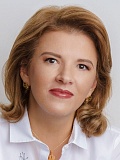 Marina Medvedeva — Member of the Management Board - Managing Director, SIBUR
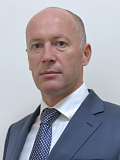 Victor Fisenko — First Deputy Minister of Health of the Russian Federation
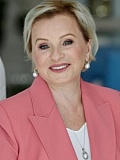 Lyudmila Scherbakova — President, Velpharm Group; member of the Russian party, BRICS Women's Business Alliance
Tatyana Yakovleva — First Deputy Head, Federal Medical-Biological Agency of the Russian Federation
Lyudmila Scherbakova — President, Velpharm Group; member of the Russian party, BRICS Women's Business Alliance
Tatyana Yakovleva — First Deputy Head, Federal Medical-Biological Agency of the Russian Federation
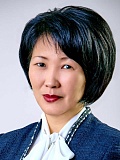 Lena Afanasieva — Acting Minister of Health of the Republic of Sakha (Yakutia)
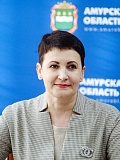 Svetlana Leontieva — Deputy Chairman of the Government of the Amur Region, Minister of Health of the Amur Region
Moderator:
Galina Karelova — Chairman, Council of the Eurasian Women's Forum under the Federation Council of the Federal Assembly of the Russian Federation
Deputy Chairperson of the Federation Council of the Russian Federation
Born on 29 June 1950 in the city of Nizhnyaya Salda, Sverdlovsk Region. In 1972, she graduated from the Sergei Kirov Urals Polytechnic Institute with a degree in engineering and economics. PhD in Economics and DSc in Social Sciences, professor. For 20 years she was engaged in teaching and research. Author of over 150 papers on economic, social and political issues.
Since 1990 – delegate, Deputy Speaker (1992–1993) of the Sverdlovsk Regional Parliamentarian Council.
1994–1996 – Deputy of the Council of Federation of the Federal Assembly of the Russian Federation, Chairperson of the Federation Council Committee on Social Policy.
1996–1997 – Deputy of the State Duma of the Federal Assembly of the Russian Federation, Chairman of the Subcommittee on International Humanitarian, Scientific and Cultural Cooperation of the State Duma Committee on International Affairs.
Since 1997 – Deputy and since 2000 – First Deputy Minister of Labour and Social Affairs of the Russian Federation.
April 2003 – March 2004 – Deputy Prime Minister of the Russian Federation on Social Affairs.
April 2004 – December 2007 – Chairperson of the Social Insurance Fund of the Russian Federation.
On 2 December 2007, she was elected a deputy to the Fifth State Duma, Deputy Speaker of the State Duma Committee on Budget and Taxes.
On 4 December 2011, she was elected a deputy to the Sixth State Duma, First Deputy Chair of the State Duma Committee on Labour, Social Policy and Veteran Affairs.
Since 22 September 2014, she is a Representative of the executive authority of the Voronezh Region in the Federation Council. Deputy Speaker of the Federation Council of the Federal Assembly of the Russian Federation, member of the Federation Council Committee on Social Policy. Initiator and drafter of more than 40 laws, including laws on social protection. Full State Counsellor 1st Class of the Russian Federation. Decorated with state orders and medals.
Born on 29 June 1950 in the city of Nizhnyaya Salda, Sverdlovsk Region. In 1972, she graduated from the Sergei Kirov Urals Polytechnic Institute with a degree in engineering and economics. PhD in Economics and DSc in Social Sciences, professor. For 20 years she was engaged in teaching and research. Author of over 150 papers on economic, social and political issues.
Since 1990 – delegate, Deputy Speaker (1992–1993) of the Sverdlovsk Regional Parliamentarian Council.
1994–1996 – Deputy of the Council of Federation of the Federal Assembly of the Russian Federation, Chairperson of the Federation Council Committee on Social Policy.
1996–1997 – Deputy of the State Duma of the Federal Assembly of the Russian Federation, Chairman of the Subcommittee on International Humanitarian, Scientific and Cultural Cooperation of the State Duma Committee on International Affairs.
Since 1997 – Deputy and since 2000 – First Deputy Minister of Labour and Social Affairs of the Russian Federation.
April 2003 – March 2004 – Deputy Prime Minister of the Russian Federation on Social Affairs.
April 2004 – December 2007 – Chairperson of the Social Insurance Fund of the Russian Federation.
On 2 December 2007, she was elected a deputy to the Fifth State Duma, Deputy Speaker of the State Duma Committee on Budget and Taxes.
On 4 December 2011, she was elected a deputy to the Sixth State Duma, First Deputy Chair of the State Duma Committee on Labour, Social Policy and Veteran Affairs.
Since 22 September 2014, she is a Representative of the executive authority of the Voronezh Region in the Federation Council. Deputy Speaker of the Federation Council of the Federal Assembly of the Russian Federation, member of the Federation Council Committee on Social Policy. Initiator and drafter of more than 40 laws, including laws on social protection. Full State Counsellor 1st Class of the Russian Federation. Decorated with state orders and medals.
Speakers:
Oksana Drapkina — Director, National Health and Research Centre of Preventive Healthcare, Ministry of Health of the Russian Federation
Doctor of medical Sciences, Professor, corresponding member of RAS
Oksana M. graduated from the MMA named after I. M. Sechenov in 1992. From 1992 to 1997 she worked in the intensive care unit of the clinic of internal diseases of MMA named after I. M. Sechenov. From 1997 to 2015 she worked at the Department of internal medicine propaedeutics First Moscow State Medical University named after I. M. Sechenov, where she was promoted from Department assistant to Professor. In 2013, she was Awarded the Russian government prize in the field of education. In 2017 she was appointed to the position of Director of "NMRC PM" of the Ministry of health of Russia.
Professor Drapkina combines ongoing clinical work with research activities.
Awards: diploma of the Ministry of health of Russia, Laureate of the Russian Government prize in education, badge " excellence in health care».
There were defended 16 PhD theses and 1 dissertation for the degree of doctor of medical Sciences under the scientific guidance of O. M. Drapkina, more than 600 scientific article were published in domestic and foreign journals, 7 monographs, 10 textbooks
Oksana M. graduated from the MMA named after I. M. Sechenov in 1992. From 1992 to 1997 she worked in the intensive care unit of the clinic of internal diseases of MMA named after I. M. Sechenov. From 1997 to 2015 she worked at the Department of internal medicine propaedeutics First Moscow State Medical University named after I. M. Sechenov, where she was promoted from Department assistant to Professor. In 2013, she was Awarded the Russian government prize in the field of education. In 2017 she was appointed to the position of Director of "NMRC PM" of the Ministry of health of Russia.
Professor Drapkina combines ongoing clinical work with research activities.
Awards: diploma of the Ministry of health of Russia, Laureate of the Russian Government prize in education, badge " excellence in health care».
There were defended 16 PhD theses and 1 dissertation for the degree of doctor of medical Sciences under the scientific guidance of O. M. Drapkina, more than 600 scientific article were published in domestic and foreign journals, 7 monographs, 10 textbooks
Natalia Kostenko — Head of Medical Activities Management, Central Healthcare Directorate, Russian Railways
Natalya Kostenko is the Head of the Department of Medical Care at the Central Healthcare Directorate (a branch of Russian Railways).
A qualified doctor, Natalya Kostenko graduated from Vladivostok State Medical University in 1996 with a degree in medical and preventive care.
From 2003, Dr. Kostenko was employed in the system of state sanitary and epidemiological surveillance. In February 2007, she was hired by the Ministry of Health of the Russian Federation, where she worked her way up from chief specialist to Director of the Department of Emergency Medical Care and Health Risk Management.
During her time at the Ministry of Health, Dr. Kostenko proved herself to be a highly competent expert in public health and healthcare organization, human environment protection, disease prevention, and other healthcare-related issues.
In July 2020, she was appointed Head of the Department for the Planning and Organization of Medical Care at the Central Healthcare Directorate (a branch of Russian Railways).
Dr. Kostenko is the recipient of numerous awards for her consistently high performance and professionalism and her years of impeccable work, including: the Order “For Merit to the Fatherland” (2019); the “Excellent Health Worker” badge (2012); official letters of gratitude from the Minister of Health of the Russian Federation (2008 and 2017); certificates of merit from the Ministry of Health of the Russian Federation (2009 and 2016); a Certificate of Merit from the Ministry of Agriculture of the Russian Federation (2010); a Certificate of Merit from Russian Railways (2021); a letter of gratitude from the Governor of Yamalo-Nenets Autonomous Okrug for her assistance in implementing a set of measures to eliminate the locus of an anthrax outbreak (2016); an anniversary commemorative plaque to mark the 100th anniversary of the Nuclear, Biological and Chemical Protection Troops of the Russian Armed Forces (2018); and the RZD Medicine Silver Badge of Distinction (2021).
Dr. Kostenko has worked in the healthcare system for over 18 years, over 14 of which have been in the civil service. She holds the Russian Federation Civil Service grade rank of III Class Active State Adviser of the Russian Federation. She holds a Ph.D. in Medical Sciences.
A qualified doctor, Natalya Kostenko graduated from Vladivostok State Medical University in 1996 with a degree in medical and preventive care.
From 2003, Dr. Kostenko was employed in the system of state sanitary and epidemiological surveillance. In February 2007, she was hired by the Ministry of Health of the Russian Federation, where she worked her way up from chief specialist to Director of the Department of Emergency Medical Care and Health Risk Management.
During her time at the Ministry of Health, Dr. Kostenko proved herself to be a highly competent expert in public health and healthcare organization, human environment protection, disease prevention, and other healthcare-related issues.
In July 2020, she was appointed Head of the Department for the Planning and Organization of Medical Care at the Central Healthcare Directorate (a branch of Russian Railways).
Dr. Kostenko is the recipient of numerous awards for her consistently high performance and professionalism and her years of impeccable work, including: the Order “For Merit to the Fatherland” (2019); the “Excellent Health Worker” badge (2012); official letters of gratitude from the Minister of Health of the Russian Federation (2008 and 2017); certificates of merit from the Ministry of Health of the Russian Federation (2009 and 2016); a Certificate of Merit from the Ministry of Agriculture of the Russian Federation (2010); a Certificate of Merit from Russian Railways (2021); a letter of gratitude from the Governor of Yamalo-Nenets Autonomous Okrug for her assistance in implementing a set of measures to eliminate the locus of an anthrax outbreak (2016); an anniversary commemorative plaque to mark the 100th anniversary of the Nuclear, Biological and Chemical Protection Troops of the Russian Armed Forces (2018); and the RZD Medicine Silver Badge of Distinction (2021).
Dr. Kostenko has worked in the healthcare system for over 18 years, over 14 of which have been in the civil service. She holds the Russian Federation Civil Service grade rank of III Class Active State Adviser of the Russian Federation. She holds a Ph.D. in Medical Sciences.
 Marina Medvedeva — Member of the Management Board - Managing Director, SIBUR
 Victor Fisenko — First Deputy Minister of Health of the Russian Federation
 Lyudmila Scherbakova — President, Velpharm Group; member of the Russian party, BRICS Women's Business Alliance
Tatyana Yakovleva — First Deputy Head, Federal Medical-Biological Agency of the Russian Federation
Lyudmila Scherbakova — President, Velpharm Group; member of the Russian party, BRICS Women's Business Alliance
Tatyana Yakovleva — First Deputy Head, Federal Medical-Biological Agency of the Russian Federation
Born 7 July 1960 in Goгky oblast.
In 1985, graduated Ivanovo State Medical Institute with honours, majoring in Paediatrics. Worked her way up from a rural hospital nurse to Chief Physician of Teykovo Central Regional Hospital (Ivanovo Oblast).
In 1999, elected Deputy of the 3rd State Duma of Ivanovo single member electoral district No.78 (Ivanovo oblast), also elected Deputy of the 4th, 5th, and 6th State Duma of the Federal Assembly of the Russian Federation.
Acted as Deputy Head of the State Duma Committee for Healthcare and Sports, Head of the State Duma Committee for Healthcare, First Deputy Head of the United Russia fraction at the State Duma of the Federal Assembly of the Russian Federation.
While in the State Duma, was a member of interagency working group on the Healthcare priority national project at the Russian Federation Presidential Council for the Implementation of the Priority National Projects, State Duma Committee for the Juvenile Affairs and Protection of their Rights and Governmental Committee for Combating Drug Abuse and Illegal Drug Trafficking, as well as acted as Deputy Head of State Duma Committee for Technical Regulation.
Doctor of Medicine, Honoured Doctor of the Russian Federation, Professor, co-author of over 59 research publications, 7 textbooks, 6 patents. The winner of the Russian Federation Governmental Award in the field of science and technology. In 2001, graduated Moscow State Social University specializing in Law. Holds top qualification category in Public Health. Chair of the Department on outpatient and social paediatrics at Pirogov Russian National Research Medical University (RNRMU), the Ministry of Health of the Russian Federation.
Decorated with the Order of Honour, Medal of the 2nd degree Order of Service to the Fatherland, Medal of Merit for the National Healthcare; received Citation from Valentina Matvienko, the Chair of the Federation Council of the Federal Assembly of the Russian Federation.
Appointed Deputy Minister of Healthcare of the Russian Federation by Government Order No.1010-р of 18 June 2012.
In 1985, graduated Ivanovo State Medical Institute with honours, majoring in Paediatrics. Worked her way up from a rural hospital nurse to Chief Physician of Teykovo Central Regional Hospital (Ivanovo Oblast).
In 1999, elected Deputy of the 3rd State Duma of Ivanovo single member electoral district No.78 (Ivanovo oblast), also elected Deputy of the 4th, 5th, and 6th State Duma of the Federal Assembly of the Russian Federation.
Acted as Deputy Head of the State Duma Committee for Healthcare and Sports, Head of the State Duma Committee for Healthcare, First Deputy Head of the United Russia fraction at the State Duma of the Federal Assembly of the Russian Federation.
While in the State Duma, was a member of interagency working group on the Healthcare priority national project at the Russian Federation Presidential Council for the Implementation of the Priority National Projects, State Duma Committee for the Juvenile Affairs and Protection of their Rights and Governmental Committee for Combating Drug Abuse and Illegal Drug Trafficking, as well as acted as Deputy Head of State Duma Committee for Technical Regulation.
Doctor of Medicine, Honoured Doctor of the Russian Federation, Professor, co-author of over 59 research publications, 7 textbooks, 6 patents. The winner of the Russian Federation Governmental Award in the field of science and technology. In 2001, graduated Moscow State Social University specializing in Law. Holds top qualification category in Public Health. Chair of the Department on outpatient and social paediatrics at Pirogov Russian National Research Medical University (RNRMU), the Ministry of Health of the Russian Federation.
Decorated with the Order of Honour, Medal of the 2nd degree Order of Service to the Fatherland, Medal of Merit for the National Healthcare; received Citation from Valentina Matvienko, the Chair of the Federation Council of the Federal Assembly of the Russian Federation.
Appointed Deputy Minister of Healthcare of the Russian Federation by Government Order No.1010-р of 18 June 2012.
Front row participants:
 Lena Afanasieva — Acting Minister of Health of the Republic of Sakha (Yakutia)
 Svetlana Leontieva — Deputy Chairman of the Government of the Amur Region, Minister of Health of the Amur Region
16 March
17:30–18:45
Lomonosov Cluster of the Sparrow Hills ISTC of Moscow State University, 1st floor, conference hall 2
Broadcast
Healthy Content: How Does Media Shape Lifestyle?
People and the Environment
The media is a powerful force in shaping public sentiment. This complex ecosystem comprising traditional media, digital platforms, social networks, and the blogosphere is shaping and replicating new behavioural patterns, aesthetic ideals, and consumer trends. Driven by recommendation system algorithms and the attention economy, health and lifestyle content is becoming increasingly personalized and polarized, raising the question of the need for media hygiene. What does “healthy content” actually mean? To what extent do the images promoted today align with safety principles from the perspective of evidence-based medicine and psychology? And how can we create a credible, safe, and motivating media environment?
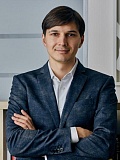 Eric Brovko — Social Entrepreneur; Founder, Chief Executive Officer, Health.ru
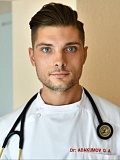 Oleg Abakumov — General Practitioner; Founder, Abakumov Clinic; Founder, "BoostLife"
 Regina Akhunyanova — General Practitioner; Nephrologist; Nutritionist; Founder, Regina Doctor
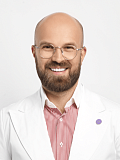 Ilya Magerya — Chief Physician, Scientific Director, Hormonal Health Clinic of Dr. Mageria
 Dmitry Semiryadov — Doctor Dietitian; Nutritionist; Blogger
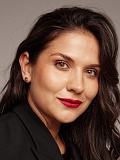 Antonina Tsvinaria — Founder, Independent Association of Integrative Specialists
Moderator:
 Eric Brovko — Social Entrepreneur; Founder, Chief Executive Officer, Health.ru
Speakers:
 Oleg Abakumov — General Practitioner; Founder, Abakumov Clinic; Founder, "BoostLife"
 Regina Akhunyanova — General Practitioner; Nephrologist; Nutritionist; Founder, Regina Doctor
 Ilya Magerya — Chief Physician, Scientific Director, Hormonal Health Clinic of Dr. Mageria
 Dmitry Semiryadov — Doctor Dietitian; Nutritionist; Blogger
 Antonina Tsvinaria — Founder, Independent Association of Integrative Specialists
16 March
17:30–18:45
Lomonosov Cluster of the Sparrow Hills ISTC of Moscow State University, 3rd floor, conference hall 4
Broadcast
Woman in the City: An Honest Conversation about Health, Family, and the Choices a Modern Woman Must Make
People and the Environment
Life in the big city is always rushed as you walk a tightrope of deadlines and multitasking in a never-ending search for some kind of balance. The modern urbanite must be able to do it all: get ahead at work, keep up with the latest trends, look her best, raise children, and manage a happy home. But it comes at a price to her health. In the pursuit of a frantic pace of life, health, family, fulfillment, and career are the key aspects of a woman's harmonious development – aspects that must be kept in balance. How can you stay healthy, keep your energy up, and live in harmony with yourself and those around you in a city that never sleeps? Where are the real strategies for survival in this multi-tasking reality beyond the clichéd advice to ‘sleep more and worry less’? How can you avoid wearing yourself out and still manage to get everything done? How can you attain a healthy lifestyle while just keeping your head above water and coming to terms with the endless variety of choices?
 Daria Reshke — Publisher, "Moskvichka" Magazine
 Seda Kasparova — Speech Coach, Voice Actress, Blogger
 Julia Kudryavtseva — Journalist, Founder, Lost In Beauty; Founder, JKey News Agency
 Karina Nigay — Stylist, Blogger, Fashion Influencer
 Anna Sedokova — Singer, TV Host
Anastasia Stolkova — First Deputy Director for Development, Roscongress Foundation; Member of the Commission of the Public Chamber of the Russian Federation on Healthcare
Anna Sedokova — Singer, TV Host
Anastasia Stolkova — First Deputy Director for Development, Roscongress Foundation; Member of the Commission of the Public Chamber of the Russian Federation on Healthcare
Moderator:
 Daria Reshke — Publisher, "Moskvichka" Magazine
Speakers:
 Seda Kasparova — Speech Coach, Voice Actress, Blogger
 Julia Kudryavtseva — Journalist, Founder, Lost In Beauty; Founder, JKey News Agency
 Karina Nigay — Stylist, Blogger, Fashion Influencer
 Anna Sedokova — Singer, TV Host
Anastasia Stolkova — First Deputy Director for Development, Roscongress Foundation; Member of the Commission of the Public Chamber of the Russian Federation on Healthcare
Anna Sedokova — Singer, TV Host
Anastasia Stolkova — First Deputy Director for Development, Roscongress Foundation; Member of the Commission of the Public Chamber of the Russian Federation on Healthcare
First Deputy Chief Executive Officer for Development, Director of the Healthcare Directorate of the Roscongress Foundation, Head of the Healthy Life and Women for a Healthy Society projects.
Public figure, member of the Regional Health Council of the Federation Council of the Federal Assembly of the Russian Federation, member of the Council of the Eurasian Women's Forum, public representative of the Agency for Strategic Initiatives.
Education:
Financial University under the Government of the Russian Federation, Master's degree in Economics, International Finance and Banking programme.
I.M. Sechenov First Moscow State Medical University, Master's degree in Public Health, Institute of Leadership and Health Management.
Since 2018, she has served as the Head of Healthcare at the Roscongress Foundation and is the creator of the Healthy Life project, which has become the primary platform for healthcare discussions at key business events, including the St. Petersburg International Economic Forum, the Eastern Economic Forum, and others. Over the years, the Healthy Life project has evolved into a multidisciplinary platform for national and international cooperation between government authorities and expert communities to collaboratively explore practical proposals for addressing critical healthcare issues. The Healthy Life Forum is held annually (in 2023, it was conducted as a summit of health ministers from CIS countries).
Since 2021, she has been managing the leading industry event, ‘Ensuring Drug Security’ Russian Pharmaceutical Forum, within the framework of the St. Petersburg International Economic Forum.
In 2021, she launched the Women for a Healthy Society project with the goal of uniting women who are involved in social projects within the health sector. This initiative is being carried out with the support of the Council of the Eurasian Women's Forum. The Women for a Healthy Society project is primarily focused on strengthening the values of health and the institution of the family in the Russian Federation. It aims to support initiatives led by women in the social sphere, which promote healthy lifestyles, provide assistance to motherhood and childhood, and offer support to the older generation.
In 2020, she received a letter of thanks from the President of the Russian Federation for her active participation in the preparation and organization of the Russia–Africa Summit and Economic Forum in 2019.
Also in 2020, she received a letter of thanks from the President of the Russian Federation for her selfless contribution to the Russian nationwide aid campaign We Are Together. This campaign aimed to provide social support to citizens during the COVID-19 epidemic in the Russian Federation.
In 2021, she received a letter of thanks from the Chairman of the Federation Council of the Federal Assembly of the Russian Federation for her great contribution to the preparation and organization of the Third Eurasian Women's Forum.
In 2022, she was awarded the Certificate of Honour of the Public Chamber of the Russian Federation for her outstanding contribution to healthcare and active citizenship.
In 2023, she received a letter of thanks from the Chairman of the Federation Council of the Federal Assembly of the Russian Federation for her contribution to the development of the Eurasian Women's Forum projects.
Also in 2023, she received a Commendation from the President of the Russian Federation for her contribution to the preparation and organization of the 25th St. Petersburg International Economic Forum.
Public figure, member of the Regional Health Council of the Federation Council of the Federal Assembly of the Russian Federation, member of the Council of the Eurasian Women's Forum, public representative of the Agency for Strategic Initiatives.
Education:
Financial University under the Government of the Russian Federation, Master's degree in Economics, International Finance and Banking programme.
I.M. Sechenov First Moscow State Medical University, Master's degree in Public Health, Institute of Leadership and Health Management.
Since 2018, she has served as the Head of Healthcare at the Roscongress Foundation and is the creator of the Healthy Life project, which has become the primary platform for healthcare discussions at key business events, including the St. Petersburg International Economic Forum, the Eastern Economic Forum, and others. Over the years, the Healthy Life project has evolved into a multidisciplinary platform for national and international cooperation between government authorities and expert communities to collaboratively explore practical proposals for addressing critical healthcare issues. The Healthy Life Forum is held annually (in 2023, it was conducted as a summit of health ministers from CIS countries).
Since 2021, she has been managing the leading industry event, ‘Ensuring Drug Security’ Russian Pharmaceutical Forum, within the framework of the St. Petersburg International Economic Forum.
In 2021, she launched the Women for a Healthy Society project with the goal of uniting women who are involved in social projects within the health sector. This initiative is being carried out with the support of the Council of the Eurasian Women's Forum. The Women for a Healthy Society project is primarily focused on strengthening the values of health and the institution of the family in the Russian Federation. It aims to support initiatives led by women in the social sphere, which promote healthy lifestyles, provide assistance to motherhood and childhood, and offer support to the older generation.
In 2020, she received a letter of thanks from the President of the Russian Federation for her active participation in the preparation and organization of the Russia–Africa Summit and Economic Forum in 2019.
Also in 2020, she received a letter of thanks from the President of the Russian Federation for her selfless contribution to the Russian nationwide aid campaign We Are Together. This campaign aimed to provide social support to citizens during the COVID-19 epidemic in the Russian Federation.
In 2021, she received a letter of thanks from the Chairman of the Federation Council of the Federal Assembly of the Russian Federation for her great contribution to the preparation and organization of the Third Eurasian Women's Forum.
In 2022, she was awarded the Certificate of Honour of the Public Chamber of the Russian Federation for her outstanding contribution to healthcare and active citizenship.
In 2023, she received a letter of thanks from the Chairman of the Federation Council of the Federal Assembly of the Russian Federation for her contribution to the development of the Eurasian Women's Forum projects.
Also in 2023, she received a Commendation from the President of the Russian Federation for her contribution to the preparation and organization of the 25th St. Petersburg International Economic Forum.
17 March
09:30–10:45
Lomonosov Cluster of the Sparrow Hills ISTC of Moscow State University, 1st floor, conference hall 2
Broadcast
Healthy Diet: Myths and Reality, Opportunities and Risks
People and the Environment
People’s approaches to a healthy diet are rapidly changing. The classic food pyramid is being completely rethought under the influence of new scientific data. People are replacing universal recommendations with personalized strategies that aim to maintain their health, prevent disease, and improve their quality of life. The emphasis is shifting from counting calories to a holistic assessment of one’s diet, including its suitability for a person’s specific lifestyle or activity. The modern nutrition paradigm integrates cutting-edge approaches from longevity medicine and sports science and also takes into account the timing of meals (chrononutrition) and the selection of the most nutritious foods. The changing structure of the food market, with a sharp increase in ready-to-eat food sales, is significantly influencing diet. This is all contributing to the formation of new eating habits. What are some healthy eating habits in today’s reality, and what factors shape them? What scientific research into healthy nutrition needs to be developed? How can we combine efforts to generate demand for healthy eating while also increasing the supply of truly healthy products? How can we communicate the lifelong health benefits of good nutrition to the public and foster a society-wide, conscious commitment to healthy eating habits?
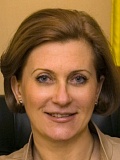 Anna Popova — Head of the Federal Service for Surveillance on Consumer Rights Protection and Human Wellbeing; Chief State Sanitary Physician of the Russian Federation
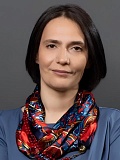 Nina Akovbyan — Vice President of Research and Development, Milk Logic
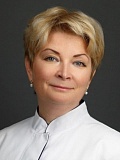 Olga Bezlepkina — Deputy Director, I.I. Dedov National Medical Research Center of Endocrinology of the Ministry of Health of the Russian Federation
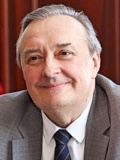 Oleg Kobyakov — Director, Liaison Office with the Russian Federation, Food and Agriculture Organization of the United Nations (FAO)
 Sergey Kuzmin — Director, F.F. Erisman Federal Scientific Center of Hygiene of Rospotebnadzor
 Dmitry Nikityuk — Director, Federal Research Centre of Nutrition and Biotechnology
 Revaz Yusupov — Deputy General Director, Advanced Technologies Development Center (ATDC)
 Sergey Belyakov — President, Association of Prepared Food Producers and Suppliers
Moderator:
 Anna Popova — Head of the Federal Service for Surveillance on Consumer Rights Protection and Human Wellbeing; Chief State Sanitary Physician of the Russian Federation
Ms. Popova, M.D., has a degree in medicine and prophylactics, professor in medical hygiene.
Worked as an epidemiologist, chief of epidemiology at Budennovsk hospital, chief epidiemologist in State Center in Serpukhov and Pushino, deputy head of Rospoterbnadzor in Moscow oblast, head of HR or Rospoterbnadzor and deputy chief of Rospotrebnadzor .
After a decree of the government of Russian Federation government N1931 temporary acted as chief of Federal Agency for consumer protection and human wellbeing from October 23, 2013.
Following a decree of the government of Russian Federation N571-p appointed head of Rospoterbnadzor.
Married, has two children
Worked as an epidemiologist, chief of epidemiology at Budennovsk hospital, chief epidiemologist in State Center in Serpukhov and Pushino, deputy head of Rospoterbnadzor in Moscow oblast, head of HR or Rospoterbnadzor and deputy chief of Rospotrebnadzor .
After a decree of the government of Russian Federation government N1931 temporary acted as chief of Federal Agency for consumer protection and human wellbeing from October 23, 2013.
Following a decree of the government of Russian Federation N571-p appointed head of Rospoterbnadzor.
Married, has two children
Speakers:
 Nina Akovbyan — Vice President of Research and Development, Milk Logic
 Olga Bezlepkina — Deputy Director, I.I. Dedov National Medical Research Center of Endocrinology of the Ministry of Health of the Russian Federation
 Oleg Kobyakov — Director, Liaison Office with the Russian Federation, Food and Agriculture Organization of the United Nations (FAO)
 Sergey Kuzmin — Director, F.F. Erisman Federal Scientific Center of Hygiene of Rospotebnadzor
 Dmitry Nikityuk — Director, Federal Research Centre of Nutrition and Biotechnology
 Revaz Yusupov — Deputy General Director, Advanced Technologies Development Center (ATDC)
Front row participant:
 Sergey Belyakov — President, Association of Prepared Food Producers and Suppliers
Sergey joined Ozon in 2021 to oversee strategic projects and initiatives tied to the Company's e-commerce development. A longtime civil servant, Sergey worked at the Russian Ministry of Economic Development from 2008, going on to serve as Deputy Minister from 2012 to 2014. Prior to joining the Ministry, he worked at the Russian Union of Industrialists and Entrepreneurs. In 2016, Sergey was elected President of the Alliance of Pension Funds, an association of non-governmental pension funds. From 2018 to 2021 he headed the Russian Association of Retail Companies (AKORT). Sergey holds a degree in Law from the Academy of the Federal Security Service of Russia.
17 March
11:15–12:30
Lomonosov Cluster of the Sparrow Hills ISTC of Moscow State University, 3rd floor, conference hall 4
Broadcast
Where Does Health Begin? A Task for All of Us
People and the Environment
Today, each member of society is directly responsible for maintaining his/her health, regardless of his/her social role: employee or employer, physician or patient, parent or healthcare provider, resident of a large city or a small region. A key trend in the current stage of the healthcare industry’s development is the transition from a passive model of disease treatment to an active model of health management. This represents an evolution from responding to existing illnesses to the development of predictive and preventive medicine, i.e., pre-risk medicine. This approach shifts the focus from combatting to preventing diseases. However, this goal cannot be achieved without the seamless integration of healthy lifestyle principles into everyone’s daily routine and the introduction of modern risk modification technologies. What consistent steps must be taken at the state and societal levels to transform prevention from an obligation to a natural way of life? What role do employers play in fostering a culture of health, and what corporate healthcare tools and programmes are most effective today? How can scientific advances be quickly introduced into accessible practice?
 Aleksandr Rozanov — Director, Association of Medical Specialists on Risk Modification
 Elena Isaeva — Head of the Department of General and Clinical Psychology, Pavlov First Saint Petersburg State Medical University; Chief Freelance Medical Psychologist of the Saint Petersburg Health Committee
 Larisa Popovich — Director, Institute for Health Economics, National Research University Higher School of Economics
 Ivan Rybakov — Head, "Corporate Well-Being" All-Russian Project
 Airat Farrakhov — Member of the State Duma Committee of the Federal Assembly of the Russian Federation on Budget and Taxes; Deputy of the State Duma of the Federal Assembly of the Russian Federation; Vice-President, National Medical Chamber
 Oles Shevchenko — Chairman, Professional Society of Dental Hygienists of Russia
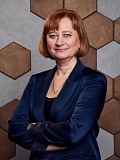 Elena Yashina — Advisor to the General Director, Tatneft
Moderator:
 Aleksandr Rozanov — Director, Association of Medical Specialists on Risk Modification
Speakers:
 Elena Isaeva — Head of the Department of General and Clinical Psychology, Pavlov First Saint Petersburg State Medical University; Chief Freelance Medical Psychologist of the Saint Petersburg Health Committee
 Larisa Popovich — Director, Institute for Health Economics, National Research University Higher School of Economics
Education: MSU (Higher nervous activity biologist-physiologist), Academy of the National Economy under the Government of the Russian Federation (Economics, finance and insurance), the Federal Supervision Service for Healthcare of the Russian Federation (Public health and organisation of healthcare), CSc (biology). Has been a WHO expert.
Up to 1997: worked at scientific institutions of the Academy of Sciences and the Academy of Medical Sciences.
1997–2009: ROSNO-MS insurance company (Senior Deputy General Director, member of the Board of Directors).
Since 2009: the Higher School of Economics National Research University (expert, scientific and educational activities). Key clients: Government of the RF and authorities of constituent entities of the RF.
Experience of public work:
• Member of the Expert Council of the Russian Government.
• Expert of the Strategic Initiative Agency.
• Head of working group of the Co-ordinating Committee for Public-private Partnership, Ministry of Health of the RF.
• Head of commission of the Public Council under the Federal Supervision Service for Healthcare of the Russian Federation (Roszdravnadzor).
Professional interests:
• organisation and economic of healthcare;
• modern medical and social technologies;
• social and medical insurance;
• provision of medicines and medical equipment;
• public-private partnership in the social sphere.
Up to 1997: worked at scientific institutions of the Academy of Sciences and the Academy of Medical Sciences.
1997–2009: ROSNO-MS insurance company (Senior Deputy General Director, member of the Board of Directors).
Since 2009: the Higher School of Economics National Research University (expert, scientific and educational activities). Key clients: Government of the RF and authorities of constituent entities of the RF.
Experience of public work:
• Member of the Expert Council of the Russian Government.
• Expert of the Strategic Initiative Agency.
• Head of working group of the Co-ordinating Committee for Public-private Partnership, Ministry of Health of the RF.
• Head of commission of the Public Council under the Federal Supervision Service for Healthcare of the Russian Federation (Roszdravnadzor).
Professional interests:
• organisation and economic of healthcare;
• modern medical and social technologies;
• social and medical insurance;
• provision of medicines and medical equipment;
• public-private partnership in the social sphere.
 Ivan Rybakov — Head, "Corporate Well-Being" All-Russian Project
 Airat Farrakhov — Member of the State Duma Committee of the Federal Assembly of the Russian Federation on Budget and Taxes; Deputy of the State Duma of the Federal Assembly of the Russian Federation; Vice-President, National Medical Chamber
Work experience
State Duma of the Federal Assembly Russian Federation, Moscow, Russia:
Member of the State Duma VII convocation, committee on budget and taxes
• Chairman of the subcommittee on:
• Budget for the Russian pension fund
• Federal Fund for Compulsory Health Insurance
• Social Security Fund budget
Ministry of Finances of Russia, Moscow, Russia:
The Deputy Minister
• Budgetary activities in healthcare, civil sciences, culture, education, physical culture and sports, tourism, youth policy, pensions and social security for civilians, social insurance, employment; in the 2014 Olympic Winter Games in Sochi, the preparation and hosting of the 2018 FIFA World Cup.
Ministry of Health care of Russia, Moscow, Russia:
The Deputy Minister
• Healthcare industry finances (obligatory investments, federal and regional budget, private investments)
• Health care digitalization
Ministry of Health care of republic of Tatarstan, Kazan, Russia:
The Minister, member of government board of republic of Tatarstan
• Ensured an increase in the volume of high-tech medical care by three times, reduced the incidence of child morbidity and mortality, increased life expectancy due to a decrease in mortality
• Reformed the structure of medical care by optimizing inefficient medical organizations, restructuring the financial support for the program of state guarantees
State Duma of the Federal Assembly Russian Federation, Moscow, Russia:
Member of the State Duma VII convocation, committee on budget and taxes
• Chairman of the subcommittee on:
• Budget for the Russian pension fund
• Federal Fund for Compulsory Health Insurance
• Social Security Fund budget
Ministry of Finances of Russia, Moscow, Russia:
The Deputy Minister
• Budgetary activities in healthcare, civil sciences, culture, education, physical culture and sports, tourism, youth policy, pensions and social security for civilians, social insurance, employment; in the 2014 Olympic Winter Games in Sochi, the preparation and hosting of the 2018 FIFA World Cup.
Ministry of Health care of Russia, Moscow, Russia:
The Deputy Minister
• Healthcare industry finances (obligatory investments, federal and regional budget, private investments)
• Health care digitalization
Ministry of Health care of republic of Tatarstan, Kazan, Russia:
The Minister, member of government board of republic of Tatarstan
• Ensured an increase in the volume of high-tech medical care by three times, reduced the incidence of child morbidity and mortality, increased life expectancy due to a decrease in mortality
• Reformed the structure of medical care by optimizing inefficient medical organizations, restructuring the financial support for the program of state guarantees
 Oles Shevchenko — Chairman, Professional Society of Dental Hygienists of Russia
 Elena Yashina — Advisor to the General Director, Tatneft
17 March
15:15–16:30
Lomonosov Cluster of the Sparrow Hills ISTC of Moscow State University, 1st floor, conference hall 2
Broadcast
Health in Your Daily Planner: How to Avoid Ignoring a Healthy Lifestyle in the Era of Multitasking
People and the Environment
Such modern realities as a fast-paced lifestyle, a culture of multitasking, an abundance of unhealthy food, physical inactivity, and chronic cognitive overload all create an environment in which classic notions of a healthy lifestyle seem virtually impossible to achieve. Today, the main challenge is not about finding extra time for a healthy lifestyle, but seamlessly integrating it into the fabric of your everyday life. This approach requires a rethinking of your core habits. In terms of physical activity, the emphasis is shifting from hours-long workouts in the gym to short but regular high-intensity interval training and ‘sports microbreaks’. In nutrition, the strategy is drifting away from strict diets toward the conscious creation of a ‘nutritious plate’ that ensures you feel full for a long time and have a stable level of energy without all the gruelling calorie counting. New behavioural patterns are also built on this same principle of constructive substitution: alcohol consumption is evolving with complex non-alcoholic alternatives, and people are systematically giving up smoking. What psychological barriers do people face when trying to incorporate ‘healthy micro-habits’ into their busy schedules? What are some quick and healthy alternatives to common unhealthy snacks for those who have little time? What exercises or workouts are easiest to integrate into an office or home routine without special equipment?
 Elena Aksenova — Director, Research Institute for Healthcare Organization and Medical Management of Moscow Healthcare Department
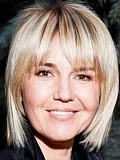 Julia Bordovskikh — Health Coach; Brand Creator, Vitamin L
 Maxim Gittya — Head coach of the Russian National Team in Universal Fight
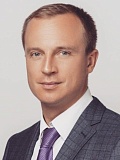 Vladimir Goncharevich — Director of Interaction with Regional and Foreign Government Authorities, Ozon
Victor Fisenko — First Deputy Minister of Health of the Russian Federation
Vladimir Goncharevich — Director of Interaction with Regional and Foreign Government Authorities, Ozon
Victor Fisenko — First Deputy Minister of Health of the Russian Federation
Moderator:
 Elena Aksenova — Director, Research Institute for Healthcare Organization and Medical Management of Moscow Healthcare Department
Elena Aksenova has been working at the Research Institute since December 2018.
Educated at Moscow State Pedagogical University, National Research University Higher School of Economics, Russian Presidential Academy of National Economy and Public Administration.
She worked as Vice-Rector for Development and Innovation at the I.M. Sechenov First Moscow State Medical University of the Russian Ministry of Health. She was Deputy Head of the Department of Innovative Development of Medical Science of RAMS, Head of the Expert Analytical Department of the Federal Agency for Scientific Organizations, Deputy Chief Scientific Secretary of the Presidium of the Russian Academy of Sciences.
Before assuming the position of Director of the Research Institute for Innovative Development of Medical Science of the DSMH, she was the Head of the Center for Strategic Planning of Science Development, Expertise and Scientific Advice of the RAS.
Educated at Moscow State Pedagogical University, National Research University Higher School of Economics, Russian Presidential Academy of National Economy and Public Administration.
She worked as Vice-Rector for Development and Innovation at the I.M. Sechenov First Moscow State Medical University of the Russian Ministry of Health. She was Deputy Head of the Department of Innovative Development of Medical Science of RAMS, Head of the Expert Analytical Department of the Federal Agency for Scientific Organizations, Deputy Chief Scientific Secretary of the Presidium of the Russian Academy of Sciences.
Before assuming the position of Director of the Research Institute for Innovative Development of Medical Science of the DSMH, she was the Head of the Center for Strategic Planning of Science Development, Expertise and Scientific Advice of the RAS.
Speakers:
 Julia Bordovskikh — Health Coach; Brand Creator, Vitamin L
 Maxim Gittya — Head coach of the Russian National Team in Universal Fight
 Vladimir Goncharevich — Director of Interaction with Regional and Foreign Government Authorities, Ozon
Artyom Spiro — Entrepreneur, Restaurateur, Healthy Nutrition Expert
Victor Fisenko — First Deputy Minister of Health of the Russian Federation