


Business Programme
16 March
09:30–10:45
Lomonosov Cluster of the Sparrow Hills ISTC of Moscow State University, 1st floor, conference hall 2
Broadcast
Innovations in Pharmacology: The Intellectual Foundation of the Healthcare of the Future
Early Risk Medicine and Rehabilitation
The development of new drugs not only ensures a quantum leap in disease treatment, but also promotes the development of new manufacturing processes and significantly influences the transformation of the entire patient care system by fundamentally shifting the therapeutic paradigm. Modern medical science has seen breakthrough developments in personalized medicine, particularly in cell therapy. Today, innovative CAR-T cell therapy is not only being successfully used in oncohematology, but is also steadily transitioning to the first clinical cases involving the immunoediting of malignant tumours, therapy for numerous autoimmune conditions, and treatment for type 1 diabetes, offering a chance to patients for whom standard treatments have proven ineffective. While this is not yet a new standard of therapy, these fundamental discoveries are being turned into clinical solutions that form the basis for new therapeutic strategies. Scientific research is focused on expanding the use of CAR-T therapy, reducing relapses and side effects, and increasing the length of remission. In what sectors is pharmaceutical innovation most rapidly developing today? How is the creation of new drugs changing approaches to patient care and leading to new standards in pharmaceutical manufacturing? What is the current state of cell therapy development, and what obstacles are limiting this progress? What regulatory tools are needed to actively introduce pharmaceutical innovations into clinical practice? What areas of medicine will have potential for CAR-T therapy in the near future?
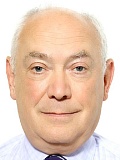 Аlexander Rumyantsev — President, Dmitry Rogachev National Research Center of Pediatric Hematology,Oncology and Immunology
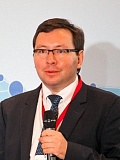 Sergey Glagolev — Deputy Minister of Health of the Russian Federation
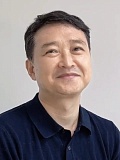 Kim Young Deug — Chief Technology Officer, TS Bio Co
(online)
Kim Young Deug — Chief Technology Officer, TS Bio Co
(online)
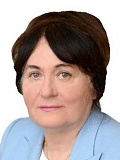 Valentina Kosenko — Acting General Director, Scientific Centre for Expert Evaluation of Medicinal Products of the Ministry of Health of the Russian Federation
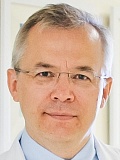 Alexander Kulagin — Director, R.M. Gorbacheva Research Institute of Pediatric Oncology, Hematology, and Transplantology; Vice-Rector for Research, First Pavlov State Medical University of St. Petersburg, Ministry of Health of the Russian Federation
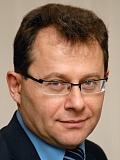 Vitaly Omelyanovskiy — General Director, Center for Healthcare Quality Assessment and Control of the Ministry of Health of the Russian Federation
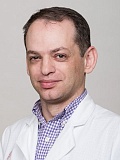 Alexander Petrovskiy — Deputy Director for Educational Activities, N.N. Blokhin National Medical Research Center of Oncology оf the Ministry of Health of the Russian Federation
 Peter Shegay — Deputy Director General for Science, National Medical Research Center for Radiology, Ministry of Health of the Russian Federation
Moderator:
 Аlexander Rumyantsev — President, Dmitry Rogachev National Research Center of Pediatric Hematology,Oncology and Immunology
Alexander Rumyantsev, born in 1947, is a Russian Doctor of Medical Sciences, professor, member of the Russian Academy of Sciences, General Director of the Dmitry Rogachev National Research Centre of Pediatric Hematology, Oncology and Immunology, member of the Board of the ‘Doctors, Innovation and Science for Children’ Foundation that supports the development of Pediatric Hematology, Oncology and Immunology, chief consulting pediatric hematologist of the Ministry of Health of Russia, President of the National Society of Pediatric Hematologists and Oncologists, Chairman of the Board of the National Association of Experts in Primary Immunodeficiency, Vice President of the National Medical Chamber, Honorary Professor of the Department of Oncology and Hematology of the School of Pediatrics of Pirogov Russian National Research Medical University of the Ministry of Health of the Russian Federation. Graduated with honours from the Russian National Research Medical University named after N.I. Pirogov in 1971.
Alexander Rumyantsev is an active facilitator of medical science and practice. For years he headed the RSMU scientific programmes on leukemia in humans and animals of the USSR Committee for Science and Technology and research on rectifying the consequences of Chernobyl disaster, was a member of the Academic Council of the Academy of Medical Sciences and the Ministry of Health of the USSR on pediatrics, hematology and oncology. From 1989 to the present day he has been a Chairman of the hematology section of the Moscow Society of Pediatric Physicians. He is a participant of the Chernobyl nuclear disaster elimination team (1986–1987), ‘Children of Chernobyl’ research programme facilitator in the USSR (1990–1991) and in Russia (1991–1995). Rumyantsev for twenty five years has led pediatric hematology/oncology services in Russia, the process of preparation and adoption of the industry development and financing programme, successful treatment of leukemia, malignant lymphomas, brain tumours, other neoplasms in children and adolescents, setting up a course on pediatric hematology/oncology in the School of Continuing Medical Education in RSMU (the Department of Clinical Hematology/Oncology and Immunology of the School of Continuing Medical Education in RSMU since 2004, and the Department of Oncology and Hematology of the School of Pediatrics of the RSMU), the groundwork for academic programme, the training and certification of pediatric hematologists/oncologists in the Russian Federation.
As a researcher, Alexander Rumyantsev is known for his works in pediatric hematology and immunology, medical ecology, intensive and outpatient pediatrics, adolescent medicine and organization of public health, clinical physiology and pathophysiology of blood, regulation of hematopoiesis and immune response, pathogenesis and treatment of hereditary and evoked blood diseases in children, intensive polychemotherapy and immunotherapy of leukemia. Alexander Rumyantsev is the author of more than 650 scientific papers, including 45 monographs and manuals. He is a member of the Scientific Council and the head of the scientific platform ‘Oncology’ of the Ministry of Health of the Russian Federation, the editor-in-chief of the Bulletin of Blood Service in Russia journal, a member of editorial boards of the following journals: Pediatrics, Russian Pediatric Journal, Issues of Practical Pediatrics, Issues of Dietary Therapy In Pediatrics, Issues of Hematology/Oncology And Immunopathology In Pediatrics, Hematology And Transfusiology, Russian Journal of Pediatric Hematology and Oncology, School of Health, Russian Journal of Immunology; member of the Pharmaceutical Committee of the Russian Federation; member of the National Council of Experts on Rare Diseases, advised 70 doctors and 128 candidates of medical sciences. Honourable Laureate of the Russian National Research Medical University awards (1978, 1983, 1994, 2007), of the Maslov Academy of Medical Sciences of the USSR (1978), of the Moscow Komsomol (1979) for the research in hematology and immunology. He was awarded with a participant’s diploma and a silver medal of the VDNKh (All-Union Exhibition of Achievements of National Economy) (1989) for development of diagnostics and immunotherapy of blood diseases in children, and with an honorary medal of the University of Montpellier (France, 1990). In 1994 he was awarded the Order of Friendship of Peoples for his scientific and academic work, in 2002 – the Honorary Diplomas of the State Duma of the Russian Federation and the Moscow City Duma, in 2003 and 2015 – ‘The Calling’ Award for the best doctors in Russia, in 2004 – the medal ‘For Merits in Healthcare’, in 2007 – Excellent Worker of Public Health badge. In 2008 and 2011 he received the medical awards from the Moscow government, in 2013 – the International Galien Award. In 2015 he was awarded the Glory of Ossetia Order and the Russian Emergencies Ministry (EMERCOM) medal ‘Cooperation for Salvation’.
Married with two children and five grandchildren.
Alexander Rumyantsev is an active facilitator of medical science and practice. For years he headed the RSMU scientific programmes on leukemia in humans and animals of the USSR Committee for Science and Technology and research on rectifying the consequences of Chernobyl disaster, was a member of the Academic Council of the Academy of Medical Sciences and the Ministry of Health of the USSR on pediatrics, hematology and oncology. From 1989 to the present day he has been a Chairman of the hematology section of the Moscow Society of Pediatric Physicians. He is a participant of the Chernobyl nuclear disaster elimination team (1986–1987), ‘Children of Chernobyl’ research programme facilitator in the USSR (1990–1991) and in Russia (1991–1995). Rumyantsev for twenty five years has led pediatric hematology/oncology services in Russia, the process of preparation and adoption of the industry development and financing programme, successful treatment of leukemia, malignant lymphomas, brain tumours, other neoplasms in children and adolescents, setting up a course on pediatric hematology/oncology in the School of Continuing Medical Education in RSMU (the Department of Clinical Hematology/Oncology and Immunology of the School of Continuing Medical Education in RSMU since 2004, and the Department of Oncology and Hematology of the School of Pediatrics of the RSMU), the groundwork for academic programme, the training and certification of pediatric hematologists/oncologists in the Russian Federation.
As a researcher, Alexander Rumyantsev is known for his works in pediatric hematology and immunology, medical ecology, intensive and outpatient pediatrics, adolescent medicine and organization of public health, clinical physiology and pathophysiology of blood, regulation of hematopoiesis and immune response, pathogenesis and treatment of hereditary and evoked blood diseases in children, intensive polychemotherapy and immunotherapy of leukemia. Alexander Rumyantsev is the author of more than 650 scientific papers, including 45 monographs and manuals. He is a member of the Scientific Council and the head of the scientific platform ‘Oncology’ of the Ministry of Health of the Russian Federation, the editor-in-chief of the Bulletin of Blood Service in Russia journal, a member of editorial boards of the following journals: Pediatrics, Russian Pediatric Journal, Issues of Practical Pediatrics, Issues of Dietary Therapy In Pediatrics, Issues of Hematology/Oncology And Immunopathology In Pediatrics, Hematology And Transfusiology, Russian Journal of Pediatric Hematology and Oncology, School of Health, Russian Journal of Immunology; member of the Pharmaceutical Committee of the Russian Federation; member of the National Council of Experts on Rare Diseases, advised 70 doctors and 128 candidates of medical sciences. Honourable Laureate of the Russian National Research Medical University awards (1978, 1983, 1994, 2007), of the Maslov Academy of Medical Sciences of the USSR (1978), of the Moscow Komsomol (1979) for the research in hematology and immunology. He was awarded with a participant’s diploma and a silver medal of the VDNKh (All-Union Exhibition of Achievements of National Economy) (1989) for development of diagnostics and immunotherapy of blood diseases in children, and with an honorary medal of the University of Montpellier (France, 1990). In 1994 he was awarded the Order of Friendship of Peoples for his scientific and academic work, in 2002 – the Honorary Diplomas of the State Duma of the Russian Federation and the Moscow City Duma, in 2003 and 2015 – ‘The Calling’ Award for the best doctors in Russia, in 2004 – the medal ‘For Merits in Healthcare’, in 2007 – Excellent Worker of Public Health badge. In 2008 and 2011 he received the medical awards from the Moscow government, in 2013 – the International Galien Award. In 2015 he was awarded the Glory of Ossetia Order and the Russian Emergencies Ministry (EMERCOM) medal ‘Cooperation for Salvation’.
Married with two children and five grandchildren.
Speakers:
 Sergey Glagolev — Deputy Minister of Health of the Russian Federation
 Kim Young Deug — Chief Technology Officer, TS Bio Co
(online)
Kim Young Deug — Chief Technology Officer, TS Bio Co
(online)
 Valentina Kosenko — Acting General Director, Scientific Centre for Expert Evaluation of Medicinal Products of the Ministry of Health of the Russian Federation
 Alexander Kulagin — Director, R.M. Gorbacheva Research Institute of Pediatric Oncology, Hematology, and Transplantology; Vice-Rector for Research, First Pavlov State Medical University of St. Petersburg, Ministry of Health of the Russian Federation
 Vitaly Omelyanovskiy — General Director, Center for Healthcare Quality Assessment and Control of the Ministry of Health of the Russian Federation
Born July 27, 1964 in Obninsk, Kaluga Oblast.
In 1987, he graduated from the Pirogov Russian National Research Medical University with a degree in General Medicine. After graduation he stayed in the university, where he rose from postgraduate to professor of the department of clinical pharmacology.
In 1998 he graduated from the Russian Presidential Academy of National Economy and Public Administration of the Russian Federation with a degree in state and municipal management, with the qualification of economist-financier.
In 2002, he defended the first doctoral dissertation in the Russian Federation on clinical and economic analysis and pharmacoeconomics.
From 2009 to 2012 he was. - Vladimir Potanin was Director of the Research Institute for Clinical and Economic Expertise and Pharmacoeconomics at the N.I. Pirogov Russian National Research Medical University, Federal State Autonomous Educational Institution of Higher Professional Education, Ministry of Health Care of the Russian Federation.
From 2012 to 2020, she was Head of the Research Laboratory of the N.I. Pirogov Russian National Research Medical University. - Head of the Research Laboratory for Technology Assessment in Healthcare at the Institute of Applied Economic Research of the Russian Presidential Academy of National Economy and Public Administration, a federal state budget-funded educational institution of higher education.
Since 2014. - Head of the Healthcare Finance Center of the Federal State Budgetary Institution "Research Financial Institute" of the Ministry of Finance of the Russian Federation. Ministry of Finance of the Russian Federation.
Since 2015. - General Director of the Federal State Budgetary Institution "Center for Expertise and Quality Control of Medical Care" of the Ministry of Health of the Russian Federation.
Since 2020. - Head of the Department of Economics, Management and Assessment of Healthcare Technologies of the Federal State Budgetary Educational Institution of Additional Professional Education "Russian Medical Academy of Continuing Professional Education" of the Ministry of Healthcare of the Russian Federation.
Member of the Dissertation Council D 208.088.01.
Head of the Expert Council on Health Care of the Federation Council Committee on Social Policy, Expert of the Analytical Centre for the Government of the Russian Federation.
Chief Clinical Pharmacologist, Ministry of Health, Moscow Region.
Chief editor of scientific journals, Pharmacoeconomics. Modern Pharmacoeconomics and Pharmacoepidemiology" and "Medical Technology. Evaluation and Choice".
She is an author of three patents of the Russian Federation, two monographs, educational and methodical manuals for physicians, and more than 140 scientific papers published in Russian and foreign medical journals.
Doctor of Medicine (2002), Professor (2007). Under his supervision V.V. Omelyanovsky defended one doctoral thesis and seven Ph. Currently supervises the theses of two doctoral students and two doctoral candidates.
He is the President of the Russian branch of the International Society for Pharmacoeconomic Research and Outcome Evaluation (ISPOR).
He is a laureate of the Russian Federation Government Award in Science and Technology, has certificates of merit from the President of the Russian Federation and the Chairman of the Federation Council of the Federal Assembly of the Russian Federation, and has received commendations from the Chairman of the Federation Council of the Federal Assembly of the Russian Federation, the Analytical Center of the Russian Federation Government, the Russian Academy of National Economy and Public Administration under the President of the Russian Federation, and the Sverdlovsk Oblast Government.
In 1987, he graduated from the Pirogov Russian National Research Medical University with a degree in General Medicine. After graduation he stayed in the university, where he rose from postgraduate to professor of the department of clinical pharmacology.
In 1998 he graduated from the Russian Presidential Academy of National Economy and Public Administration of the Russian Federation with a degree in state and municipal management, with the qualification of economist-financier.
In 2002, he defended the first doctoral dissertation in the Russian Federation on clinical and economic analysis and pharmacoeconomics.
From 2009 to 2012 he was. - Vladimir Potanin was Director of the Research Institute for Clinical and Economic Expertise and Pharmacoeconomics at the N.I. Pirogov Russian National Research Medical University, Federal State Autonomous Educational Institution of Higher Professional Education, Ministry of Health Care of the Russian Federation.
From 2012 to 2020, she was Head of the Research Laboratory of the N.I. Pirogov Russian National Research Medical University. - Head of the Research Laboratory for Technology Assessment in Healthcare at the Institute of Applied Economic Research of the Russian Presidential Academy of National Economy and Public Administration, a federal state budget-funded educational institution of higher education.
Since 2014. - Head of the Healthcare Finance Center of the Federal State Budgetary Institution "Research Financial Institute" of the Ministry of Finance of the Russian Federation. Ministry of Finance of the Russian Federation.
Since 2015. - General Director of the Federal State Budgetary Institution "Center for Expertise and Quality Control of Medical Care" of the Ministry of Health of the Russian Federation.
Since 2020. - Head of the Department of Economics, Management and Assessment of Healthcare Technologies of the Federal State Budgetary Educational Institution of Additional Professional Education "Russian Medical Academy of Continuing Professional Education" of the Ministry of Healthcare of the Russian Federation.
Member of the Dissertation Council D 208.088.01.
Head of the Expert Council on Health Care of the Federation Council Committee on Social Policy, Expert of the Analytical Centre for the Government of the Russian Federation.
Chief Clinical Pharmacologist, Ministry of Health, Moscow Region.
Chief editor of scientific journals, Pharmacoeconomics. Modern Pharmacoeconomics and Pharmacoepidemiology" and "Medical Technology. Evaluation and Choice".
She is an author of three patents of the Russian Federation, two monographs, educational and methodical manuals for physicians, and more than 140 scientific papers published in Russian and foreign medical journals.
Doctor of Medicine (2002), Professor (2007). Under his supervision V.V. Omelyanovsky defended one doctoral thesis and seven Ph. Currently supervises the theses of two doctoral students and two doctoral candidates.
He is the President of the Russian branch of the International Society for Pharmacoeconomic Research and Outcome Evaluation (ISPOR).
He is a laureate of the Russian Federation Government Award in Science and Technology, has certificates of merit from the President of the Russian Federation and the Chairman of the Federation Council of the Federal Assembly of the Russian Federation, and has received commendations from the Chairman of the Federation Council of the Federal Assembly of the Russian Federation, the Analytical Center of the Russian Federation Government, the Russian Academy of National Economy and Public Administration under the President of the Russian Federation, and the Sverdlovsk Oblast Government.
 Alexander Petrovskiy — Deputy Director for Educational Activities, N.N. Blokhin National Medical Research Center of Oncology оf the Ministry of Health of the Russian Federation
 Peter Shegay — Deputy Director General for Science, National Medical Research Center for Radiology, Ministry of Health of the Russian Federation
16 March
15:45–17:00
Lomonosov Cluster of the Sparrow Hills ISTC of Moscow State University, 3rd floor, conference hall 4
Broadcast
Diabetes under Control: Modern Solutions for Patients
Early Risk Medicine and Rehabilitation
Advances in modern medicine are dramatically extending the lives of people with diabetes and improving their quality of life. Since 2023, Russia has prioritized the fight against diabetes with a special federal project that emphasizes strategies to prevent the progression of the disease with a focus on early stages and preclinical risks. Coordinated efforts by the government, medical community, and public sector need to focus on common goals in order to establish the systemic practice of implementing federal initiatives at the regional level. Which diagnostic technologies are most effective for the early detection of prediabetes and primary prevention? Which digital services and personalized monitoring technologies can improve the effectiveness of diabetes management, and how can they be integrated into patients’ daily lives to improve compliance? What educational and motivational practices can foster sustainable healthy lifestyle habits in people with risk factors? How can Russia develop a unified strategy for the prevention and early detection of diabetes for all regions of the country?
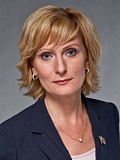 Inna Svyatenko — Deputy Chairman of the Federation Council of the Federal Assembly of the Russian Federation
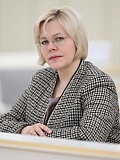 Ksenia Abramova — Minister of Health of the Tver Region
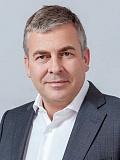 Petr Bely — Founder and Chairman of the Board of Directors, Promomed Group
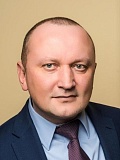 Evgeny Kamkin — Deputy Minister of Health of the Russian Federation
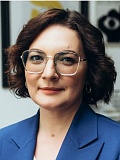 Anastasia Martynova — Head, Department of Health of the Government of the Jewish Autonomous Region
 Natalia Mokrysheva — Director, I.I. Dedov National Medical Research Center of Endocrinology of the Ministry of Health of the Russian Federation; Academician, Russian Academy of Sciences
 Anastasia Stolkova — First Deputy Director for Development, Roscongress Foundation; Member of the Commission of the Public Chamber of the Russian Federation on Healthcare
 Konstantin Bobrakov — Head of the Department of Health, Government of the Oryol Region
Moderator:
 Inna Svyatenko — Deputy Chairman of the Federation Council of the Federal Assembly of the Russian Federation
Speakers:
 Ksenia Abramova — Minister of Health of the Tver Region
 Petr Bely — Founder and Chairman of the Board of Directors, Promomed Group
Founder and Chairman of the Board of Directors of Promomed Group, medical doctor. Petr Bely has more than 25 years of experience in the medical sector and has held senior positions in a number of large pharmaceutical companies. In 2005, he established the Promomed company and in a few years turned it into one of the most dynamically growing players in the Russian pharmaceutical market. Petr Bely regularly participates in scientific forums, conferences and other industry events. He is the author of numerous scientific publications. In March 2021, he was awarded the Pirogov Order for his merits in the field of drug production.
Education:
— Moscow State Medical and Dental University, "Medicine" specialty, training in clinical residency and a full course in "Therapeutics" specialty;
— Candidate of Medical Sciences in the "Internal diseases" specialty.
Education:
— Moscow State Medical and Dental University, "Medicine" specialty, training in clinical residency and a full course in "Therapeutics" specialty;
— Candidate of Medical Sciences in the "Internal diseases" specialty.
 Evgeny Kamkin — Deputy Minister of Health of the Russian Federation
 Anastasia Martynova — Head, Department of Health of the Government of the Jewish Autonomous Region
 Natalia Mokrysheva — Director, I.I. Dedov National Medical Research Center of Endocrinology of the Ministry of Health of the Russian Federation; Academician, Russian Academy of Sciences
 Anastasia Stolkova — First Deputy Director for Development, Roscongress Foundation; Member of the Commission of the Public Chamber of the Russian Federation on Healthcare
First Deputy Chief Executive Officer for Development, Director of the Healthcare Directorate of the Roscongress Foundation, Head of the Healthy Life and Women for a Healthy Society projects.
Public figure, member of the Regional Health Council of the Federation Council of the Federal Assembly of the Russian Federation, member of the Council of the Eurasian Women's Forum, public representative of the Agency for Strategic Initiatives.
Education:
Financial University under the Government of the Russian Federation, Master's degree in Economics, International Finance and Banking programme.
I.M. Sechenov First Moscow State Medical University, Master's degree in Public Health, Institute of Leadership and Health Management.
Since 2018, she has served as the Head of Healthcare at the Roscongress Foundation and is the creator of the Healthy Life project, which has become the primary platform for healthcare discussions at key business events, including the St. Petersburg International Economic Forum, the Eastern Economic Forum, and others. Over the years, the Healthy Life project has evolved into a multidisciplinary platform for national and international cooperation between government authorities and expert communities to collaboratively explore practical proposals for addressing critical healthcare issues. The Healthy Life Forum is held annually (in 2023, it was conducted as a summit of health ministers from CIS countries).
Since 2021, she has been managing the leading industry event, ‘Ensuring Drug Security’ Russian Pharmaceutical Forum, within the framework of the St. Petersburg International Economic Forum.
In 2021, she launched the Women for a Healthy Society project with the goal of uniting women who are involved in social projects within the health sector. This initiative is being carried out with the support of the Council of the Eurasian Women's Forum. The Women for a Healthy Society project is primarily focused on strengthening the values of health and the institution of the family in the Russian Federation. It aims to support initiatives led by women in the social sphere, which promote healthy lifestyles, provide assistance to motherhood and childhood, and offer support to the older generation.
In 2020, she received a letter of thanks from the President of the Russian Federation for her active participation in the preparation and organization of the Russia–Africa Summit and Economic Forum in 2019.
Also in 2020, she received a letter of thanks from the President of the Russian Federation for her selfless contribution to the Russian nationwide aid campaign We Are Together. This campaign aimed to provide social support to citizens during the COVID-19 epidemic in the Russian Federation.
In 2021, she received a letter of thanks from the Chairman of the Federation Council of the Federal Assembly of the Russian Federation for her great contribution to the preparation and organization of the Third Eurasian Women's Forum.
In 2022, she was awarded the Certificate of Honour of the Public Chamber of the Russian Federation for her outstanding contribution to healthcare and active citizenship.
In 2023, she received a letter of thanks from the Chairman of the Federation Council of the Federal Assembly of the Russian Federation for her contribution to the development of the Eurasian Women's Forum projects.
Also in 2023, she received a Commendation from the President of the Russian Federation for her contribution to the preparation and organization of the 25th St. Petersburg International Economic Forum.
Public figure, member of the Regional Health Council of the Federation Council of the Federal Assembly of the Russian Federation, member of the Council of the Eurasian Women's Forum, public representative of the Agency for Strategic Initiatives.
Education:
Financial University under the Government of the Russian Federation, Master's degree in Economics, International Finance and Banking programme.
I.M. Sechenov First Moscow State Medical University, Master's degree in Public Health, Institute of Leadership and Health Management.
Since 2018, she has served as the Head of Healthcare at the Roscongress Foundation and is the creator of the Healthy Life project, which has become the primary platform for healthcare discussions at key business events, including the St. Petersburg International Economic Forum, the Eastern Economic Forum, and others. Over the years, the Healthy Life project has evolved into a multidisciplinary platform for national and international cooperation between government authorities and expert communities to collaboratively explore practical proposals for addressing critical healthcare issues. The Healthy Life Forum is held annually (in 2023, it was conducted as a summit of health ministers from CIS countries).
Since 2021, she has been managing the leading industry event, ‘Ensuring Drug Security’ Russian Pharmaceutical Forum, within the framework of the St. Petersburg International Economic Forum.
In 2021, she launched the Women for a Healthy Society project with the goal of uniting women who are involved in social projects within the health sector. This initiative is being carried out with the support of the Council of the Eurasian Women's Forum. The Women for a Healthy Society project is primarily focused on strengthening the values of health and the institution of the family in the Russian Federation. It aims to support initiatives led by women in the social sphere, which promote healthy lifestyles, provide assistance to motherhood and childhood, and offer support to the older generation.
In 2020, she received a letter of thanks from the President of the Russian Federation for her active participation in the preparation and organization of the Russia–Africa Summit and Economic Forum in 2019.
Also in 2020, she received a letter of thanks from the President of the Russian Federation for her selfless contribution to the Russian nationwide aid campaign We Are Together. This campaign aimed to provide social support to citizens during the COVID-19 epidemic in the Russian Federation.
In 2021, she received a letter of thanks from the Chairman of the Federation Council of the Federal Assembly of the Russian Federation for her great contribution to the preparation and organization of the Third Eurasian Women's Forum.
In 2022, she was awarded the Certificate of Honour of the Public Chamber of the Russian Federation for her outstanding contribution to healthcare and active citizenship.
In 2023, she received a letter of thanks from the Chairman of the Federation Council of the Federal Assembly of the Russian Federation for her contribution to the development of the Eurasian Women's Forum projects.
Also in 2023, she received a Commendation from the President of the Russian Federation for her contribution to the preparation and organization of the 25th St. Petersburg International Economic Forum.
Front row participant:
 Konstantin Bobrakov — Head of the Department of Health, Government of the Oryol Region
Konstantin Bobrakov – Member of the Government of the Oryol Region — Head of the Department of Health of the Oryol Region; Candidate of Medical Sciences, Associate Professor of the Department of Public Health, Health Care and Hygiene of the Medical Institute, Advisor to the Administration of the Federal State Budgetary Educational Institution of Higher Education "Oryol State University named after I.S. Turgenev"
16 March
15:45–17:00
Lomonosov Cluster of the Sparrow Hills ISTC of Moscow State University, 1st floor, conference hall 2
Broadcast
How to Keep Your Heart Healthy
Early Risk Medicine and Rehabilitation
Russia’s state guarantees programme for 2026–2028 has expanded its capabilities for the early diagnosis of cardiovascular risks, and work is under way to improve drug provisions for patients at high risk for vascular emergencies. An individual’s conscious behaviour can account for a significant portion of his/her success in combatting cardiovascular disease. The key ingredients for a healthy heart include timely preventive care and a healthy lifestyle: physical activity, nutrition, monitoring your indicators, avoiding bad habits, stress management, as well as a high level of patient engagement in the treatment process and strict adherence to any prescribed therapy. What innovations in cardiology are enhancing the effectiveness of the fight against circulatory diseases? What changes have been made to the state guarantees programme to provide free cardiac care? What measures are included in the government’s strategies to reduce risk factors? How can we ensure the public is committed to preventive care and a healthy lifestyle? How can we improve patient compliance and bolster the paradigm of collaboration between doctors and patients?
 Andrey Tyazhelnikov — Chief Doctor, City Polyclinic № 220 of the Department of Health of the City of Moscow; Chief External Specialist in Primary Health Care for the Adult Population
 Elena Golukhova — Director, A.N. Bakulev National Medical Research Center for Cardiovascular Surgery of the Ministry of Health of the Russian Federation; Chief Visiting Specialist in Arrhythmologist of the Ministry of Health of the Russian Federation
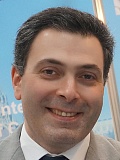 Simon Matskeplishvili — Deputy Director for Innovation Activities, Lomonosov Moscow State University Clinic; Member of the Board, Russian Society of Cardiology
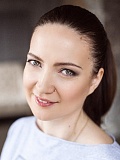 Ekaterina Milova — Development Director, ORBI Anti-Stroke Foundation
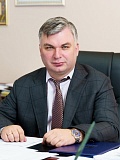 Viktor Fomin — Rector, Russian Medical Academy of Continuous Professional Education of the Ministry of Health of the Russian Federation
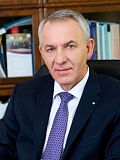 Evgeny Shlyakhto — General Director, Almazov National Medical Research Centre of the Ministry of Health of the Russian Federation; Chief Visiting Cardiologist Specialist of the Ministry of Health of the Russian Federation
Moderator:
 Andrey Tyazhelnikov — Chief Doctor, City Polyclinic № 220 of the Department of Health of the City of Moscow; Chief External Specialist in Primary Health Care for the Adult Population
Doctor of Medical Sciences
Speakers:
 Elena Golukhova — Director, A.N. Bakulev National Medical Research Center for Cardiovascular Surgery of the Ministry of Health of the Russian Federation; Chief Visiting Specialist in Arrhythmologist of the Ministry of Health of the Russian Federation
 Simon Matskeplishvili — Deputy Director for Innovation Activities, Lomonosov Moscow State University Clinic; Member of the Board, Russian Society of Cardiology
Simon Matskeplishvili, MD, PhD, FESC, FACC, is a Professor of Cardiology and a Chief Scientific and Clinical Researcher at the Bakoulev Scientific Center for Cardiovascular Surgery in Moscow and an adjunct professor of life sciences at the Moscow Institute of Physics and Technology.
He also serves as a member of the Education, Certification and Accreditation, European Communities Committees of the European Association of Cardiovascular Imaging.
He graduated with honors from the Moscow Medical Academy in 1994 and had his postgraduate training and fellowship in cardiology at the Clinico-Diagnostic Department of the Bakoulev Center.
In 1997-1998 he received a degree of the International Master in Cardiology from the Institute of Clinical Physiology of the National Research Council of Italy in Pisa.
Simon Matskeplishvili is a Fellow of the European Society of Cardiology and a Fellow of the American College of Cardiology. He has received numerous honours and awards, both in Russia and internationally, including the European Cardiology award in 2001. He is a founder and a Chairman of the echocardiography section of the Russian society of cardiology. In 2007 he became a full professor of cardiology.
For the development of new non-invasive method of intracardiac blood flow evaluation in 2012 he was awarded a State Prize of the Government of Russian Federation in science and technology.
In 2013 he was a captain of the Russian team to win an ESC Cardiology Quiz “Primus inter pares” at the European Congress of Cardiology in Amsterdam.
In 2012 Professor Simon Matskeplishvili had organized and implemented the Educational Program for cardiologists and internal medicine physicians in Moscow. He also conducts an English-language elective course “Amazing Cardiology” in cardiology, cardiac surgery and cardiovascular imaging at the Faculty of Medicine of the Lomonosov Moscow State University.
The Board of the European Society of Cardiology has appointed Simon Matskeplishvili as the Coordinator of the Congress Programme Committee of the European Society of Cardiology Congress 2015-2016.
He also serves as a member of the Education, Certification and Accreditation, European Communities Committees of the European Association of Cardiovascular Imaging.
He graduated with honors from the Moscow Medical Academy in 1994 and had his postgraduate training and fellowship in cardiology at the Clinico-Diagnostic Department of the Bakoulev Center.
In 1997-1998 he received a degree of the International Master in Cardiology from the Institute of Clinical Physiology of the National Research Council of Italy in Pisa.
Simon Matskeplishvili is a Fellow of the European Society of Cardiology and a Fellow of the American College of Cardiology. He has received numerous honours and awards, both in Russia and internationally, including the European Cardiology award in 2001. He is a founder and a Chairman of the echocardiography section of the Russian society of cardiology. In 2007 he became a full professor of cardiology.
For the development of new non-invasive method of intracardiac blood flow evaluation in 2012 he was awarded a State Prize of the Government of Russian Federation in science and technology.
In 2013 he was a captain of the Russian team to win an ESC Cardiology Quiz “Primus inter pares” at the European Congress of Cardiology in Amsterdam.
In 2012 Professor Simon Matskeplishvili had organized and implemented the Educational Program for cardiologists and internal medicine physicians in Moscow. He also conducts an English-language elective course “Amazing Cardiology” in cardiology, cardiac surgery and cardiovascular imaging at the Faculty of Medicine of the Lomonosov Moscow State University.
The Board of the European Society of Cardiology has appointed Simon Matskeplishvili as the Coordinator of the Congress Programme Committee of the European Society of Cardiology Congress 2015-2016.
 Ekaterina Milova — Development Director, ORBI Anti-Stroke Foundation
 Viktor Fomin — Rector, Russian Medical Academy of Continuous Professional Education of the Ministry of Health of the Russian Federation
 Evgeny Shlyakhto — General Director, Almazov National Medical Research Centre of the Ministry of Health of the Russian Federation; Chief Visiting Cardiologist Specialist of the Ministry of Health of the Russian Federation
Professor Evgeny Shlyakhto, Director General of the Almazov National Medical Research Centre, Academician of the Russian Academy of Science, President of the Russian Society of Cardiology, Fellow of the European Society of Cardiology, the American Heart Association, and the American College of Cardiology.
Professor Shlyakhto was born on June 29, 1954 in Pogar, the Bryansk region. He graduated from the Pavlov Medical University in Saint Petersburg in 1977 and became Doctor of Science in Medicine in 1992, Professor in 1994, Honored Russian Scientist in 2004, and Academician of the Russian Academy of Sciences in 2014.
Evgeny Shlyakhto has been the Director General of the Almazov National Medical Research Centre since 2001 and the President of the Russian Society of Cardiology since 2011. In 2010, he became a member of the WHO Expert Working Group.
The Centre led by Prof. Shlyakhto carries out intensive research in the fields of translational medicine, molecular diagnostics, development of diagnostic tools for personalized treatment, cellular and tissue engineering for therapeutic purposes, creation of biocompatible materials and tissue-engineered constructs designed to create breakthrough medical technologies of fundamental importance for providing high-tech care to patients with cardiovascular, endocrine and blood diseases.
The results of research work by Prof. Shlyakhto have been summarized in more than 800 publications, 16 inventions, 2 scientific discoveries, and a number of monographs. Prof. Shlyakhto was a supervisor in 57 PhD and 20 DSc students..
Professor Shlyakhto is a member of the Presidium of the Russian Academy of Science, the Presidential Council for Science and Education, the Regional Health Council under the Federation Council of the Russian Federal Assembly, the Expert Health Council of the Federation Council Committee on Social Policy of the Russian Federal Assembly, Vice President of the National Medical Chamber.
Evgeny Shlyakhto is the Editor-in-Chief of the following medical journals: Russian Journal of Cardiology, Translational Medicine, and Journal of Arrhythmology. He also is a member of the international editorial board of the European Heart Journal.
Professor Shlyakhto plays an active role in such international committees as the ESC Congress Programme Committee (since 2012) and of the ESC Committee for Practice Guidelines (since 2015).
Evgeny Shlyakhto received the Russian Federation Government Prize in science and technology in 2009 and won the Pavlov Award, the prize for scientific and technological achievement in Physiology and Medicine from the Saint Petersburg Government and St. Petersburg Scientific Center of the Russian Academy of Sciences, in 2011. He received an Order of Honour in 2012 and 4th class Order of Merit for the Motherland in 2017.
Professor Shlyakhto was born on June 29, 1954 in Pogar, the Bryansk region. He graduated from the Pavlov Medical University in Saint Petersburg in 1977 and became Doctor of Science in Medicine in 1992, Professor in 1994, Honored Russian Scientist in 2004, and Academician of the Russian Academy of Sciences in 2014.
Evgeny Shlyakhto has been the Director General of the Almazov National Medical Research Centre since 2001 and the President of the Russian Society of Cardiology since 2011. In 2010, he became a member of the WHO Expert Working Group.
The Centre led by Prof. Shlyakhto carries out intensive research in the fields of translational medicine, molecular diagnostics, development of diagnostic tools for personalized treatment, cellular and tissue engineering for therapeutic purposes, creation of biocompatible materials and tissue-engineered constructs designed to create breakthrough medical technologies of fundamental importance for providing high-tech care to patients with cardiovascular, endocrine and blood diseases.
The results of research work by Prof. Shlyakhto have been summarized in more than 800 publications, 16 inventions, 2 scientific discoveries, and a number of monographs. Prof. Shlyakhto was a supervisor in 57 PhD and 20 DSc students..
Professor Shlyakhto is a member of the Presidium of the Russian Academy of Science, the Presidential Council for Science and Education, the Regional Health Council under the Federation Council of the Russian Federal Assembly, the Expert Health Council of the Federation Council Committee on Social Policy of the Russian Federal Assembly, Vice President of the National Medical Chamber.
Evgeny Shlyakhto is the Editor-in-Chief of the following medical journals: Russian Journal of Cardiology, Translational Medicine, and Journal of Arrhythmology. He also is a member of the international editorial board of the European Heart Journal.
Professor Shlyakhto plays an active role in such international committees as the ESC Congress Programme Committee (since 2012) and of the ESC Committee for Practice Guidelines (since 2015).
Evgeny Shlyakhto received the Russian Federation Government Prize in science and technology in 2009 and won the Pavlov Award, the prize for scientific and technological achievement in Physiology and Medicine from the Saint Petersburg Government and St. Petersburg Scientific Center of the Russian Academy of Sciences, in 2011. He received an Order of Honour in 2012 and 4th class Order of Merit for the Motherland in 2017.
17 March
13:30–14:45
Lomonosov Cluster of the Sparrow Hills ISTC of Moscow State University, 1st floor, conference hall 2
Broadcast
Rehabilitation of Winners: Reintegration into Life
Early Risk Medicine and Rehabilitation
Modern rehabilitation medicine is a rapidly developing interdisciplinary field that integrates advances in clinical medicine, digital technologies, and various aspects of social and psychological disciplines within an evidence-based approach. Its goal is to create a continuous, personalized recovery system that aims to reintegrate patients into their former professional and social environments. One solution to these challenges is the establishment of high-tech rehabilitation centres for combat veterans, which take an interdisciplinary approach to treating both physical and psychological injuries. Sports rehabilitation, which borrows from professional sports methods, has become another highly effective field. These principles have proven effective not only for athletes, but for all patients, significantly reducing recovery times and enabling a return to a full, active life. What modern digital technologies have already been integrated into the rehabilitation process, and how are they influencing the personalization of people’s recovery? What criteria and biomarkers are being used to assess the success of a patient’s professional and social reintegration after completion of the active phase of treatment? What barriers are still hindering widespread access to rehabilitation for combat veterans, and what are some of the ways to overcome them in the compulsory health insurance system?
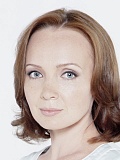 Evelina Zakamskaya — TV Presenter, Russia 24 TV Channel; Editor-in-Chief, Doctor TV Channel
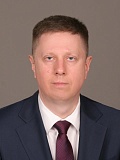 Ilya Balanin — Chairman, Federal Mandatory Medical Insurance Fund (FOMS)
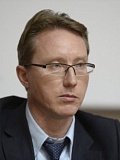 Sergey Vylegzhanin — Deputy Chairman, Medical Unit, Defenders of the Fatherland Foundation
 Diana Gurtskaya — Chairperson, Commission on Accessible Environment and Development of Inclusive Practices, Civic Chamber of the Russian Federation; President, At the Call of the Heart Charitable Foundation
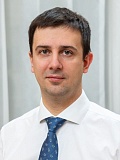 Dmitry Ligomina — Deputy Minister of Labor and Social Protection of the Russian Federation
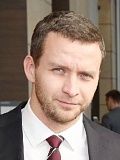 Ilya Komarov — President, Charitable Foundation "Warmth of Kindness"
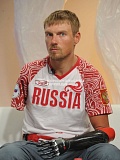 Alexey Obydennov — Three-time World Champion in Paracycling
 Ekaterina Plieva — Head of the Expert Center for Comprehensive Rehabilitation, Development of Inclusive Technologies, and Social Adaptation of Citizens with Disabilities, Delovaya Rossiya (Business Russia)
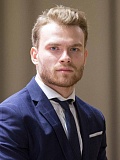 Yaroslav Svyatoslavsky — Vice President, Interregional Physical Culture and Sports Public Organization "Cybathletics Federation"; member of the Russian Paralympic team
Moderator:
 Evelina Zakamskaya — TV Presenter, Russia 24 TV Channel; Editor-in-Chief, Doctor TV Channel
Evelina Zakamskaya was born on November 17, 1977, in Baku, and graduated from the Faculty of Philology at Tver State University. She is a presenter for Radio Mayak and for Mir, a television and radio company. Since 2006, she has been an anchor for television channel Russia 24. She writes and presents Mnenie (Opinion), a talk show covering social and political issues, and Idei, menyayushchie mir (World-Changing Ideas), a series of popular science programmes. Evelina Zakamskaya moderates Russia 24 sessions at major international forums. Since 2017 - Editor-in-Chief, Doctor Channel. She is married with two daughters.
Speakers:
 Ilya Balanin — Chairman, Federal Mandatory Medical Insurance Fund (FOMS)
Ilya Balanin was born in the city of Kostroma, on 29-th December 1976.
Graduated from the Kostroma State Agricultural Academy in 1999. Economist, candidate of economic Sciences.
He worked at the Federal Treasury Administration of the Kostroma Region from 1999 to 2011, where he was the Head of the Financial and Treasury Department of the Kostroma Administration.
Since April 2011 he headed the Department of Finance of the Kostroma Region.
Since September 2016 - the Deputy Chairman of the Government of the Yaroslavl Region, Director of the Department of Finance.
Appointed as Deputy Governor-Head of Administration of the Governor of the Yaroslavl Region in September 2019.
In February 2022 he was appointed as the Deputy Head of the Federal Agency for the Commonwealth of Independent States, Compatriots Living Abroad and International Humanitarian Cooperation by the Decree of the President of the Russian Federation Vladimir Putin.
In April 2022 by Russian Federation Government Decree he was appointed Chairman of the Russian Federal Compulsory Health Insurance Fund.
Graduated from the Kostroma State Agricultural Academy in 1999. Economist, candidate of economic Sciences.
He worked at the Federal Treasury Administration of the Kostroma Region from 1999 to 2011, where he was the Head of the Financial and Treasury Department of the Kostroma Administration.
Since April 2011 he headed the Department of Finance of the Kostroma Region.
Since September 2016 - the Deputy Chairman of the Government of the Yaroslavl Region, Director of the Department of Finance.
Appointed as Deputy Governor-Head of Administration of the Governor of the Yaroslavl Region in September 2019.
In February 2022 he was appointed as the Deputy Head of the Federal Agency for the Commonwealth of Independent States, Compatriots Living Abroad and International Humanitarian Cooperation by the Decree of the President of the Russian Federation Vladimir Putin.
In April 2022 by Russian Federation Government Decree he was appointed Chairman of the Russian Federal Compulsory Health Insurance Fund.
 Sergey Vylegzhanin — Deputy Chairman, Medical Unit, Defenders of the Fatherland Foundation
 Diana Gurtskaya — Chairperson, Commission on Accessible Environment and Development of Inclusive Practices, Civic Chamber of the Russian Federation; President, At the Call of the Heart Charitable Foundation
Diana Gurtskaya is a People's Artist of Russia, President of the "At the Call of the Heart" Charitable Foundation, and Artistic Director of the Diana Gurtskaya Center for Social Integration.
Since 2013 Diana Gurtskaya has served on the Presidential Commission on Disability, and since 2019 she has also served as First Deputy Chair of the Civic Chamber of the Russian Federation's Commission on Social Partnership, Care, and the Development of Inclusive Practices.
For many people with disabilities, Diana Gurtskaya is an example of resilience, professional tenacity, and incredible fortitude. In 2004, she founded the "At the Call of the Heart" Charitable Foundation for Blind and Partially Sighted Children, which for 22 years has been helping children in Russia and the CIS realize their creative dreams.
In 2018 with the support of the Moscow Department of Labor and Social Protection, the Diana Gurtskaya Center for Social Integration was established. As its artistic director, Diana Gurtskaya and her team of teachers launched sociocultural rehabilitation programs that enable children with various disabilities to learn creativity and successfully integrate into the urban agglomeration.
Since 2013 Diana Gurtskaya has served on the Presidential Commission on Disability, and since 2019 she has also served as First Deputy Chair of the Civic Chamber of the Russian Federation's Commission on Social Partnership, Care, and the Development of Inclusive Practices.
For many people with disabilities, Diana Gurtskaya is an example of resilience, professional tenacity, and incredible fortitude. In 2004, she founded the "At the Call of the Heart" Charitable Foundation for Blind and Partially Sighted Children, which for 22 years has been helping children in Russia and the CIS realize their creative dreams.
In 2018 with the support of the Moscow Department of Labor and Social Protection, the Diana Gurtskaya Center for Social Integration was established. As its artistic director, Diana Gurtskaya and her team of teachers launched sociocultural rehabilitation programs that enable children with various disabilities to learn creativity and successfully integrate into the urban agglomeration.
 Dmitry Ligomina — Deputy Minister of Labor and Social Protection of the Russian Federation
Front row participants:
 Ilya Komarov — President, Charitable Foundation "Warmth of Kindness"
 Alexey Obydennov — Three-time World Champion in Paracycling
 Ekaterina Plieva — Head of the Expert Center for Comprehensive Rehabilitation, Development of Inclusive Technologies, and Social Adaptation of Citizens with Disabilities, Delovaya Rossiya (Business Russia)
 Yaroslav Svyatoslavsky — Vice President, Interregional Physical Culture and Sports Public Organization "Cybathletics Federation"; member of the Russian Paralympic team
Svyatoslavsky Yaroslav Alexandrovich (born September 1, 1993) — Vice President of the Cybathletics Federation, Russian Paralympic athlete. Bronze medalist at the UCI World Cup in Belgium (2021), multiple Russian champion in para-cycling. The first paratriathlete from Russia to complete the official IRONMAN distance of 226 km, seven-time finisher.
On November 28, 2009, he fell from a height of 12 meters during training and sustained a severe spinal injury. In 2014, he became the first test pilot of a Russian medical exoskeleton (Skolkovo Foundation). His participation in clinical trials helped bring the product to both Russian and international markets. In 2024, he completed the Impulse ultra-triathlon (487+ km) from the Sirius Federal Territory to Crimea in support of spinal cord injury research.
He works at the Motorica Group — Russia's leading manufacturer of bionic prosthetics and assistive rehabilitation devices. He serves as Vice President of the Cybathletics Federation — an organization developing adaptive sport among users of high-tech rehabilitation devices in Russia.
Authorized representative of V. V. Putin (2018, 2024), finalist of the Leaders of Russia.
On November 28, 2009, he fell from a height of 12 meters during training and sustained a severe spinal injury. In 2014, he became the first test pilot of a Russian medical exoskeleton (Skolkovo Foundation). His participation in clinical trials helped bring the product to both Russian and international markets. In 2024, he completed the Impulse ultra-triathlon (487+ km) from the Sirius Federal Territory to Crimea in support of spinal cord injury research.
He works at the Motorica Group — Russia's leading manufacturer of bionic prosthetics and assistive rehabilitation devices. He serves as Vice President of the Cybathletics Federation — an organization developing adaptive sport among users of high-tech rehabilitation devices in Russia.
Authorized representative of V. V. Putin (2018, 2024), finalist of the Leaders of Russia.
17 March
15:15–16:30
Lomonosov Cluster of the Sparrow Hills ISTC of Moscow State University, 3rd floor, conference hall 4
Broadcast
Personalized Medicine: An Individual Path to Good Health
Early Risk Medicine and Rehabilitation
A key trend in modern healthcare is the shifting focus from diseases to patients themselves, with their unique needs, genetic characteristics, and lifestyle. This approach makes it possible to develop an individualized health trajectory, where prevention and risk management are based on personal data, the results of in-depth examinations, and genetic analysis, which help to identify individual risks at the earliest, preclinical stage. What are some of the effective mechanisms for integrating genetic screening data and biomarkers into daily preventive care? What technologies can be used to develop personalized recommendations for adjusting lifestyle, nutrition, and physical activity? What role can health resorts play in continuous health monitoring and promotion?
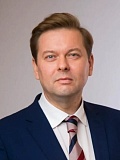 Ivan Deev — Director, Department of the Monitoring, Analysis, and Strategic Development of Healthcare, Ministry of Health of the Russian Federation
 Vsevolod Belousov — Director, Federal Center of Brain Research and Neurotechnologies of the Federal Medical Biological Agency of Russia
 Oleg Lavrov — Advisor to the General Director, Innovative Engineering Center
 Sergey Lukyanov — Rector, N.I. Pirogov Russian National Research Medical University
 Kirill Masliev — Head of the Department of Preventive Medicine with a Biohacking Course, Peoples' Friendship University of Russia named after Patrice Lumumba; President, Heroes Charitable Foundation
 Anastasia Semenova — Oncologist, Department of Antitumor Drug Therapy and Hematology, N.N. Blokhin National Medical Research Center of Oncology, Ministry of Health of the Russian Federation
 Svetlana Nezvanova — Medical Director, RK-Medicine Foundation
Moderator:
 Ivan Deev — Director, Department of the Monitoring, Analysis, and Strategic Development of Healthcare, Ministry of Health of the Russian Federation
Speakers:
 Vsevolod Belousov — Director, Federal Center of Brain Research and Neurotechnologies of the Federal Medical Biological Agency of Russia
Born on February 19, 1975 in Nalchik, KBR.
Graduated from the Faculty of Biology, Lomonosov Moscow State University in 1998.
D. in Biology (2013), Professor of the Russian Academy of Sciences, Head of the Department of Metabolism and Redox Biology of the Institute of Biochemistry of the Russian Academy of Sciences, Professor at the University of Göttingen.
Vsevolod Belousov is a scientist known in Russia and worldwide, a specialist in synthetic biology, molecular neurotechnology, and biomedicine. Biosensor and bioengineering technologies developed by Vsevolod Belousov are used by hundreds of laboratories worldwide. One of the main areas of Belousov's research is thermogenetics: controlling the activity of neurons and other cells by means of temperature-sensitive ion channels. Thermogenetic technologies are being developed to activate the brain, heart and pancreas. Another area of research is metabolic engineering - creation of artificial metabolic pathways in cells. For the development of technology to manage oxidative stress at the subcellular level and its application to study the mechanisms of heart failure, Vsevolod Belousov was awarded the Discovery Award-2019 by the Society for Redox Biology and Medicine in the USA.
Since 2019, Vsevolod Belousov has headed the Federal Brain and Neurotechnology Center of the Federal Medical and Biological Agency of Russia, a flagship scientific-clinical center that conducts research on pathologies of the nervous system and provides high-tech medical care in the profiles of neurology, neurorehabilitation, and neurosurgery. In the first wave of the Covid-19 pandemic, the Center was converted to an infectious disease hospital to treat patients with the new coronavirus infection. Vsevolod Belousov was awarded the Silver Cross of the Federal Medical and Biological Agency of Russia for successful organization of the clinic's work during the pandemic.
Graduated from the Faculty of Biology, Lomonosov Moscow State University in 1998.
D. in Biology (2013), Professor of the Russian Academy of Sciences, Head of the Department of Metabolism and Redox Biology of the Institute of Biochemistry of the Russian Academy of Sciences, Professor at the University of Göttingen.
Vsevolod Belousov is a scientist known in Russia and worldwide, a specialist in synthetic biology, molecular neurotechnology, and biomedicine. Biosensor and bioengineering technologies developed by Vsevolod Belousov are used by hundreds of laboratories worldwide. One of the main areas of Belousov's research is thermogenetics: controlling the activity of neurons and other cells by means of temperature-sensitive ion channels. Thermogenetic technologies are being developed to activate the brain, heart and pancreas. Another area of research is metabolic engineering - creation of artificial metabolic pathways in cells. For the development of technology to manage oxidative stress at the subcellular level and its application to study the mechanisms of heart failure, Vsevolod Belousov was awarded the Discovery Award-2019 by the Society for Redox Biology and Medicine in the USA.
Since 2019, Vsevolod Belousov has headed the Federal Brain and Neurotechnology Center of the Federal Medical and Biological Agency of Russia, a flagship scientific-clinical center that conducts research on pathologies of the nervous system and provides high-tech medical care in the profiles of neurology, neurorehabilitation, and neurosurgery. In the first wave of the Covid-19 pandemic, the Center was converted to an infectious disease hospital to treat patients with the new coronavirus infection. Vsevolod Belousov was awarded the Silver Cross of the Federal Medical and Biological Agency of Russia for successful organization of the clinic's work during the pandemic.
 Oleg Lavrov — Advisor to the General Director, Innovative Engineering Center
 Sergey Lukyanov — Rector, N.I. Pirogov Russian National Research Medical University
Sergey Lukyanov graduated from Lomonosov Moscow State University in 1985, majoring in Physiology. In 1986, started working at the Shemyakin and Ovchinnikov Institute of Bioorganic Chemistry, rising in the ranks from Research Assistant to Head of Laboratory.
In 1994, he successfully defended his PhD dissertation ‘Cloning of a novel Xenopus homeobox gene XANF-1 by subtractive hybridization,’ which he completed at the Laboratory of Structure and Function of Human Genes under the supervision of Prof. Eugene D. Sverdlov. In 1999, he successfully defended his doctoral (DrSc) disseration ‘Selective suppression of polymerase chain reaction’ at the Institute of Bioorganic Chemistry, advised by Prof. Eugene D. Sverdlov.
In 2003, he became a Corresponding Member of the Russian Academy of Science and became a full Academician of the Russian Academy of Sciences in 2011.
In 2010–2014, he received a mega grant from the Russian Government to create a fluorescent bio-imaging laboratory at Nizhny Novgorod State Medical Academy (now Privolzhsky Research Medical University). This laboratory became the foundation of the NNSMA Biomedical Technology Research Institute. In 2012–2013, served as Acting Assistant to the Minister of Health of the Russian Federation. In 2013–2015, was the Vice Rector of the Pirogov Russian National Research Medical University (RNRMU). He became Acting Rector on 29 April 2015 and was elected the Rector of RNRMU in 2016.
Over the course of his work, Lukyanov published more than 180 research papers in Russian and foreign journals (with an h-index of 58 and a ‘sum of times cited’ over 18,000 according to Web of Science) and patented 51 inventions.
In 2006, he was awared the Russian Academy of Sciences Ovchinnikov Prize for outstanding work in physicochemical biology and biotechnology for his paper ‘Fluorescent proteins: finding, investigation and use in biotechnology.’ In 2012, he was awarded the RUSNANOPRIZE Nanotechnology International Prize. In 2015, he was conferred the Russian Federation National Award in science and technology for the development and implementation of a technological complex for the analysis of compound genome structure and functions.
In 1994, he successfully defended his PhD dissertation ‘Cloning of a novel Xenopus homeobox gene XANF-1 by subtractive hybridization,’ which he completed at the Laboratory of Structure and Function of Human Genes under the supervision of Prof. Eugene D. Sverdlov. In 1999, he successfully defended his doctoral (DrSc) disseration ‘Selective suppression of polymerase chain reaction’ at the Institute of Bioorganic Chemistry, advised by Prof. Eugene D. Sverdlov.
In 2003, he became a Corresponding Member of the Russian Academy of Science and became a full Academician of the Russian Academy of Sciences in 2011.
In 2010–2014, he received a mega grant from the Russian Government to create a fluorescent bio-imaging laboratory at Nizhny Novgorod State Medical Academy (now Privolzhsky Research Medical University). This laboratory became the foundation of the NNSMA Biomedical Technology Research Institute. In 2012–2013, served as Acting Assistant to the Minister of Health of the Russian Federation. In 2013–2015, was the Vice Rector of the Pirogov Russian National Research Medical University (RNRMU). He became Acting Rector on 29 April 2015 and was elected the Rector of RNRMU in 2016.
Over the course of his work, Lukyanov published more than 180 research papers in Russian and foreign journals (with an h-index of 58 and a ‘sum of times cited’ over 18,000 according to Web of Science) and patented 51 inventions.
In 2006, he was awared the Russian Academy of Sciences Ovchinnikov Prize for outstanding work in physicochemical biology and biotechnology for his paper ‘Fluorescent proteins: finding, investigation and use in biotechnology.’ In 2012, he was awarded the RUSNANOPRIZE Nanotechnology International Prize. In 2015, he was conferred the Russian Federation National Award in science and technology for the development and implementation of a technological complex for the analysis of compound genome structure and functions.
 Kirill Masliev — Head of the Department of Preventive Medicine with a Biohacking Course, Peoples' Friendship University of Russia named after Patrice Lumumba; President, Heroes Charitable Foundation
 Anastasia Semenova — Oncologist, Department of Antitumor Drug Therapy and Hematology, N.N. Blokhin National Medical Research Center of Oncology, Ministry of Health of the Russian Federation
Front row participant:
 Svetlana Nezvanova — Medical Director, RK-Medicine Foundation
17 March
15:15–16:30
Lomonosov Cluster of the Sparrow Hills ISTC of Moscow State University, 2nd floor, conference hall 3
Broadcast
Preventing Behavioural Risk Factors for Non-communicable Diseases: The Efficacy of Restrictions and Prohibitions
Early Risk Medicine and Rehabilitation
The growing prevalence of chronic diseases poses a challenge to the entire world and is forcing national healthcare systems to mobilize their resources to the maximum. The preventive measures that are being developed and introduced by Russia’s closest neighbours – countries of the former Soviet Union – go beyond medical prevention. State-sponsored approaches are often comprehensive and systemic, and involve the implementation of large-scale policies to reduce tobacco and alcohol consumption and combat harmful habits. How effective is this system of restrictions and prohibitions?
 Oleg Salagay — State Secretary – Deputy Minister of Health of the Russian Federation
 Elena Bogdan — First Deputy Minister of Health of the Republic of Belarus
 Alexander Bolkhovityanov — Project Manager for Localizing Yandex Products into the Languages of the Peoples of Russia, Yandex
 Oksana Drapkina — Director, National Health and Research Centre of Preventive Healthcare, Ministry of Health of the Russian Federation
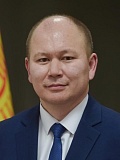 Bakytbek Kadyraliev — Deputy Minister of Health of the Kyrgyz Republic
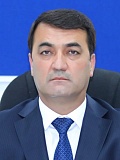 Habibullo Muhiddin — Deputy Minister of Health and Social Protection of the Republic of Tajikistan
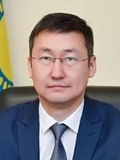 Timur Sultangaziyev — First Vice Minister of Health of the Republic of Kazakhstan
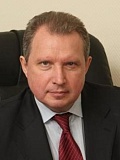 Alexey Khripun — Moscow Government Minister; Head, Moscow Healthcare Department
 Elena Shamal — Advisor to the Department for Cooperation in the Political, Humanitarian, and Social Spheres of the Executive Committee of the Commonwealth of Independent States
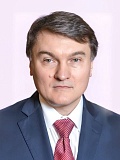 Yury Zinchenko — Dean of the Faculty of Psychology, Lomonosov Moscow State University; Chief Visiting Specialist in Medical Psychology of the Ministry of Health of the Russian Federation; Director, Federal Scientific Center for Psychological and Interdisciplinary Research
Moderator:
 Oleg Salagay — State Secretary – Deputy Minister of Health of the Russian Federation
Oleg Salagay, Candidate of Medical Sciences, Director of the Department of Public Health and Communications of the Ministry of Healthcare of the Russian Federation, Press Secretary of the Minister of Healthcare of the Russian Federation Veronika Skvortsova.
Born on 3 October 1983 in Irkutsk (Irkutsk Oblast).
In 2005, graduated with honours from Irkutsk State Medical University.
In 2006, graduated with honours from the Academy of Labour and Social Relations, Department of Law.
In 2010, graduated with honours from the Diplomatic Academy of Russian Foreign Ministry.
In 2011, received a Master’s Degree in European Law from Moscow State Institute of International Relations (MGIMO University) under the Ministry of Foreign Affairs of the Russian Federation.
Oleg Salagay is a member of many working groups under the auspices of the World Health Organization, BRICS, and bilateral cooperation. He is Chairman of the Conference of the Parties to the Framework Convention on Tobacco Control.
Born on 3 October 1983 in Irkutsk (Irkutsk Oblast).
In 2005, graduated with honours from Irkutsk State Medical University.
In 2006, graduated with honours from the Academy of Labour and Social Relations, Department of Law.
In 2010, graduated with honours from the Diplomatic Academy of Russian Foreign Ministry.
In 2011, received a Master’s Degree in European Law from Moscow State Institute of International Relations (MGIMO University) under the Ministry of Foreign Affairs of the Russian Federation.
Oleg Salagay is a member of many working groups under the auspices of the World Health Organization, BRICS, and bilateral cooperation. He is Chairman of the Conference of the Parties to the Framework Convention on Tobacco Control.
Speakers:
 Elena Bogdan — First Deputy Minister of Health of the Republic of Belarus
 Alexander Bolkhovityanov — Project Manager for Localizing Yandex Products into the Languages of the Peoples of Russia, Yandex
 Oksana Drapkina — Director, National Health and Research Centre of Preventive Healthcare, Ministry of Health of the Russian Federation
Doctor of medical Sciences, Professor, corresponding member of RAS
Oksana M. graduated from the MMA named after I. M. Sechenov in 1992. From 1992 to 1997 she worked in the intensive care unit of the clinic of internal diseases of MMA named after I. M. Sechenov. From 1997 to 2015 she worked at the Department of internal medicine propaedeutics First Moscow State Medical University named after I. M. Sechenov, where she was promoted from Department assistant to Professor. In 2013, she was Awarded the Russian government prize in the field of education. In 2017 she was appointed to the position of Director of "NMRC PM" of the Ministry of health of Russia.
Professor Drapkina combines ongoing clinical work with research activities.
Awards: diploma of the Ministry of health of Russia, Laureate of the Russian Government prize in education, badge " excellence in health care».
There were defended 16 PhD theses and 1 dissertation for the degree of doctor of medical Sciences under the scientific guidance of O. M. Drapkina, more than 600 scientific article were published in domestic and foreign journals, 7 monographs, 10 textbooks
Oksana M. graduated from the MMA named after I. M. Sechenov in 1992. From 1992 to 1997 she worked in the intensive care unit of the clinic of internal diseases of MMA named after I. M. Sechenov. From 1997 to 2015 she worked at the Department of internal medicine propaedeutics First Moscow State Medical University named after I. M. Sechenov, where she was promoted from Department assistant to Professor. In 2013, she was Awarded the Russian government prize in the field of education. In 2017 she was appointed to the position of Director of "NMRC PM" of the Ministry of health of Russia.
Professor Drapkina combines ongoing clinical work with research activities.
Awards: diploma of the Ministry of health of Russia, Laureate of the Russian Government prize in education, badge " excellence in health care».
There were defended 16 PhD theses and 1 dissertation for the degree of doctor of medical Sciences under the scientific guidance of O. M. Drapkina, more than 600 scientific article were published in domestic and foreign journals, 7 monographs, 10 textbooks
 Bakytbek Kadyraliev — Deputy Minister of Health of the Kyrgyz Republic
 Habibullo Muhiddin — Deputy Minister of Health and Social Protection of the Republic of Tajikistan
 Timur Sultangaziyev — First Vice Minister of Health of the Republic of Kazakhstan
 Alexey Khripun — Moscow Government Minister; Head, Moscow Healthcare Department
 Elena Shamal — Advisor to the Department for Cooperation in the Political, Humanitarian, and Social Spheres of the Executive Committee of the Commonwealth of Independent States
Front row participant:
 Yury Zinchenko — Dean of the Faculty of Psychology, Lomonosov Moscow State University; Chief Visiting Specialist in Medical Psychology of the Ministry of Health of the Russian Federation; Director, Federal Scientific Center for Psychological and Interdisciplinary Research
Yuri P. Zinchenko is Dean of the Faculty of Psychology at Moscow State University, Head of the Department of Psychology Methodology, Doctor of Psychological Sciences, Professor, Vice President of the Russian Academy of Education, RAO Academician, Laureate of the RF Government Prize for Education, Honorary Worker of Higher Professional Education of the Russian Federation, Gold Medal of the Russian Academy of Education, Honorary Professor at Fernando Pessoa University (Porto, Portugal).
He was born on December 23, 1966.
Education:
1988 - 1993 - Faculty of Psychology, Lomonosov Moscow State University
Studied at the Department of Psychology at Lomonosov Moscow State University between 1993 and 1997.
Y.P. Zinchenko is a member of the Academic Council of MSU, the Chairman of the Academic Council of the Department of Psychology of MSU, the Chairman of the Dissertation Council D 501.001.15 for thesis and doctoral dissertations at MSU. Under his leadership 2 doctoral dissertations and 10 Ph. He is the author of about 150 scientific works in Russian and foreign journals, including works in foreign languages, he is the author and co-author of 10 scientific monographs.
He is a member of the Education Commission of the Russian Academy of Sciences, co-director of the project, in the Basic Research Program of the Presidium of RAS "Economics and Sociology of Knowledge", Deputy Chairman of the Expert Council of VAK of the RF Ministry of Education and Science in Psychology, Chairman of the Psychology Council of the Russian Federation UME on classical university education. Chief freelance specialist in medical psychology, Ministry of Health of Russia (since 2013).
Elected President of the Russian Psychological Society, Honorary President of the Society of Psychologists of Power Structures, member of the Presidium of the International Union of Psychological Sciences (IUPsyS) at UNESCO, member of the governing bodies of the International Association of Applied Psychology (IAAP), member of the executive committee of the European Federation of Psychological Associations (EFPA), member of the Russian Philosophical Society. Professor Emeritus of the University of Paris III (Sorbonne) (France), visiting professor of the University of London. Passed research fellowships at Marshall European Center for Security Studies (FRG), universities: Paris VII (France), Yale (USA), Montreal (Canada), Freiburg (FRG), Basel and Geneva (Switzerland).
He is a member of scientific-methodological commissions and expert councils of the RF Security Council, RF Ministry of Defense, RF Ministry of Internal Affairs, RF Ministry of Civil Defense, Emergencies and Elimination of Consequences of Natural Disasters, RF Ministry of Justice, RF Ministry of Education and Science, RF Public Chamber.
P. Zinchenko is the editor-in-chief of the leading scientific journals in psychology, Vestnik (Herald) of Moscow University. P. Zinchenko is the editor-in-chief of the leading academic journals in psychology, "Vestnik (Herald) of Moscow University, Series 14. P. Zinchenko is the editor-in-chief of the leading scientific journals in psychology, such as "Bulletin of Moscow University, Psychology," "Russian Psychological Journal," "National Psychological Journal," the yearbook "Psychology in Russia," editorial board member of the journals "Methods and History of Psychology," "Psychology and Natural Sciences," "Psychology and Social Sciences," "Cognitive Science," "Bulletin of Practical Educational Psychology," "Legal Psychology," "World of Psychology," "Bulletin of South Ural State University. Psychology" series, "Siberian Psychological Journal," executive secretary of the series "Classical University Textbook of Moscow State University," member of the Editorial and Publishing Council of the Russian Academy of Education.
She has awards: Medal "In honor of the 850th anniversary of Moscow", badge "Honorary Worker of Higher Professional Education of the Russian Federation", Medal "For Commonwealth in the Name of Salvation".
He was born on December 23, 1966.
Education:
1988 - 1993 - Faculty of Psychology, Lomonosov Moscow State University
Studied at the Department of Psychology at Lomonosov Moscow State University between 1993 and 1997.
Y.P. Zinchenko is a member of the Academic Council of MSU, the Chairman of the Academic Council of the Department of Psychology of MSU, the Chairman of the Dissertation Council D 501.001.15 for thesis and doctoral dissertations at MSU. Under his leadership 2 doctoral dissertations and 10 Ph. He is the author of about 150 scientific works in Russian and foreign journals, including works in foreign languages, he is the author and co-author of 10 scientific monographs.
He is a member of the Education Commission of the Russian Academy of Sciences, co-director of the project, in the Basic Research Program of the Presidium of RAS "Economics and Sociology of Knowledge", Deputy Chairman of the Expert Council of VAK of the RF Ministry of Education and Science in Psychology, Chairman of the Psychology Council of the Russian Federation UME on classical university education. Chief freelance specialist in medical psychology, Ministry of Health of Russia (since 2013).
Elected President of the Russian Psychological Society, Honorary President of the Society of Psychologists of Power Structures, member of the Presidium of the International Union of Psychological Sciences (IUPsyS) at UNESCO, member of the governing bodies of the International Association of Applied Psychology (IAAP), member of the executive committee of the European Federation of Psychological Associations (EFPA), member of the Russian Philosophical Society. Professor Emeritus of the University of Paris III (Sorbonne) (France), visiting professor of the University of London. Passed research fellowships at Marshall European Center for Security Studies (FRG), universities: Paris VII (France), Yale (USA), Montreal (Canada), Freiburg (FRG), Basel and Geneva (Switzerland).
He is a member of scientific-methodological commissions and expert councils of the RF Security Council, RF Ministry of Defense, RF Ministry of Internal Affairs, RF Ministry of Civil Defense, Emergencies and Elimination of Consequences of Natural Disasters, RF Ministry of Justice, RF Ministry of Education and Science, RF Public Chamber.
P. Zinchenko is the editor-in-chief of the leading scientific journals in psychology, Vestnik (Herald) of Moscow University. P. Zinchenko is the editor-in-chief of the leading academic journals in psychology, "Vestnik (Herald) of Moscow University, Series 14. P. Zinchenko is the editor-in-chief of the leading scientific journals in psychology, such as "Bulletin of Moscow University, Psychology," "Russian Psychological Journal," "National Psychological Journal," the yearbook "Psychology in Russia," editorial board member of the journals "Methods and History of Psychology," "Psychology and Natural Sciences," "Psychology and Social Sciences," "Cognitive Science," "Bulletin of Practical Educational Psychology," "Legal Psychology," "World of Psychology," "Bulletin of South Ural State University. Psychology" series, "Siberian Psychological Journal," executive secretary of the series "Classical University Textbook of Moscow State University," member of the Editorial and Publishing Council of the Russian Academy of Education.
She has awards: Medal "In honor of the 850th anniversary of Moscow", badge "Honorary Worker of Higher Professional Education of the Russian Federation", Medal "For Commonwealth in the Name of Salvation".