


Business Programme
17 March
09:30–10:45
Lomonosov Cluster of the Sparrow Hills ISTC of Moscow State University, 1st floor, conference hall 2
Broadcast
Healthy Diet: Myths and Reality, Opportunities and Risks
People and the Environment
People’s approaches to a healthy diet are rapidly changing. The classic food pyramid is being completely rethought under the influence of new scientific data. People are replacing universal recommendations with personalized strategies that aim to maintain their health, prevent disease, and improve their quality of life. The emphasis is shifting from counting calories to a holistic assessment of one’s diet, including its suitability for a person’s specific lifestyle or activity. The modern nutrition paradigm integrates cutting-edge approaches from longevity medicine and sports science and also takes into account the timing of meals (chrononutrition) and the selection of the most nutritious foods. The changing structure of the food market, with a sharp increase in ready-to-eat food sales, is significantly influencing diet. This is all contributing to the formation of new eating habits. What are some healthy eating habits in today’s reality, and what factors shape them? What scientific research into healthy nutrition needs to be developed? How can we combine efforts to generate demand for healthy eating while also increasing the supply of truly healthy products? How can we communicate the lifelong health benefits of good nutrition to the public and foster a society-wide, conscious commitment to healthy eating habits?
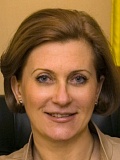 Anna Popova — Head of the Federal Service for Surveillance on Consumer Rights Protection and Human Wellbeing; Chief State Sanitary Physician of the Russian Federation
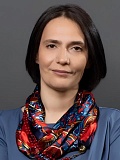 Nina Akovbyan — Vice President of Research and Development, Milk Logic
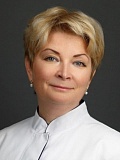 Olga Bezlepkina — Deputy Director, I.I. Dedov National Medical Research Center of Endocrinology of the Ministry of Health of the Russian Federation
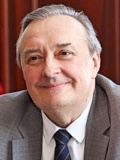 Oleg Kobyakov — Director, Liaison Office with the Russian Federation, Food and Agriculture Organization of the United Nations (FAO)
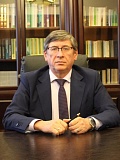 Sergey Kuzmin — Director, F.F. Erisman Federal Scientific Center of Hygiene of Rospotebnadzor
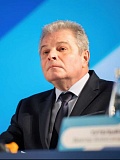 Dmitry Nikityuk — Director, Federal Research Centre of Nutrition and Biotechnology
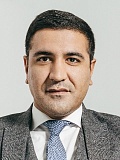 Revaz Yusupov — Deputy General Director, Advanced Technologies Development Center (ATDC)
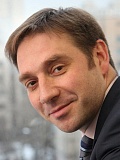 Sergey Belyakov — President, Association of Prepared Food Producers and Suppliers
Moderator:
 Anna Popova — Head of the Federal Service for Surveillance on Consumer Rights Protection and Human Wellbeing; Chief State Sanitary Physician of the Russian Federation
Ms. Popova, M.D., has a degree in medicine and prophylactics, professor in medical hygiene.
Worked as an epidemiologist, chief of epidemiology at Budennovsk hospital, chief epidiemologist in State Center in Serpukhov and Pushino, deputy head of Rospoterbnadzor in Moscow oblast, head of HR or Rospoterbnadzor and deputy chief of Rospotrebnadzor .
After a decree of the government of Russian Federation government N1931 temporary acted as chief of Federal Agency for consumer protection and human wellbeing from October 23, 2013.
Following a decree of the government of Russian Federation N571-p appointed head of Rospoterbnadzor.
Married, has two children
Worked as an epidemiologist, chief of epidemiology at Budennovsk hospital, chief epidiemologist in State Center in Serpukhov and Pushino, deputy head of Rospoterbnadzor in Moscow oblast, head of HR or Rospoterbnadzor and deputy chief of Rospotrebnadzor .
After a decree of the government of Russian Federation government N1931 temporary acted as chief of Federal Agency for consumer protection and human wellbeing from October 23, 2013.
Following a decree of the government of Russian Federation N571-p appointed head of Rospoterbnadzor.
Married, has two children
Speakers:
 Nina Akovbyan — Vice President of Research and Development, Milk Logic
 Olga Bezlepkina — Deputy Director, I.I. Dedov National Medical Research Center of Endocrinology of the Ministry of Health of the Russian Federation
 Oleg Kobyakov — Director, Liaison Office with the Russian Federation, Food and Agriculture Organization of the United Nations (FAO)
 Sergey Kuzmin — Director, F.F. Erisman Federal Scientific Center of Hygiene of Rospotebnadzor
 Dmitry Nikityuk — Director, Federal Research Centre of Nutrition and Biotechnology
 Revaz Yusupov — Deputy General Director, Advanced Technologies Development Center (ATDC)
Front row participant:
 Sergey Belyakov — President, Association of Prepared Food Producers and Suppliers
Sergey joined Ozon in 2021 to oversee strategic projects and initiatives tied to the Company's e-commerce development. A longtime civil servant, Sergey worked at the Russian Ministry of Economic Development from 2008, going on to serve as Deputy Minister from 2012 to 2014. Prior to joining the Ministry, he worked at the Russian Union of Industrialists and Entrepreneurs. In 2016, Sergey was elected President of the Alliance of Pension Funds, an association of non-governmental pension funds. From 2018 to 2021 he headed the Russian Association of Retail Companies (AKORT). Sergey holds a degree in Law from the Academy of the Federal Security Service of Russia.
17 March
09:30–10:45
Lomonosov Cluster of the Sparrow Hills ISTC of Moscow State University, 3rd floor, conference hall 4
Broadcast
Living Longer and Better: A Longevity Strategy for Individuals and Countries
Healthcare Innovations and Technologies
A key challenge of modern healthcare is to shift the focus from simply increasing life expectancy to building an individual trajectory for healthy longevity. This involves maximizing your quality of life and preserving your energy, mental clarity, and functional activity for many years to come. Healthy longevity medicine shifts the focus from treating diseases to proactive management and prevention, where nutrition and physical activity serve as tools that can influence the underlying mechanisms of aging. To create a culture of healthy longevity, the role of nutrition must be completely reconceptualized. Today, it is not simply a matter of satisfying your hunger, but a comprehensive strategy that provides your body with high-quality fuel for a long and active life. Physical activity, for its part, has established itself as an accessible tool for influencing the underlying mechanisms of aging. Today, this concept involves not only going to the gym, but also any systematic activity that becomes integrated into your lifestyle: from running and swimming to seasonal activities such as skiing and ice skating. What consistent steps need to be taken at the government, societal, and individual levels to transform the philosophy of healthy longevity into a daily norm? Is there a gold standard for the duration and intensity of health-promoting physical activity? What are some of the most promising innovative technologies for preventing premature aging?
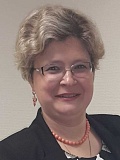 Elena Skachkova — Deputy Director, Department of Health of the Government of the Russian Federation
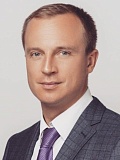 Vladimir Goncharevich — Director of Interaction with Regional and Foreign Government Authorities, Ozon
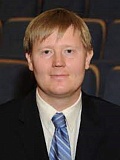 Alexey Moskalev — Director of the Institute of Biology of Aging and Healthy Longevity Medicine with a Clinic of Preventive Medicine, Academician B.V. Petrovsky Russian Scientific Center of Surgery of the Ministry of Science and Higher Education of the Russian Federation
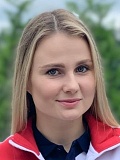 Aleksandra Patskevich — Three-time Olympic Champion in Synchronized Swimming
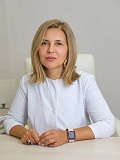 Olga Tkacheva — Director of the Russian Gerontological Research and Clinical Center, N.I. Pirogov Russian National Research Medical University of the Ministry of Health of the Russian Federation; Chief Visiting Geriatrician Specialist of the Ministry of Health of the Russian Federation
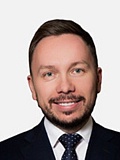 Vladimir Filippov — Deputy Head of the Department of Labor and Social Protection of the Population of Moscow
Moderator:
 Elena Skachkova — Deputy Director, Department of Health of the Government of the Russian Federation
Speakers:
 Vladimir Goncharevich — Director of Interaction with Regional and Foreign Government Authorities, Ozon
 Alexey Moskalev — Director of the Institute of Biology of Aging and Healthy Longevity Medicine with a Clinic of Preventive Medicine, Academician B.V. Petrovsky Russian Scientific Center of Surgery of the Ministry of Science and Higher Education of the Russian Federation
 Aleksandra Patskevich — Three-time Olympic Champion in Synchronized Swimming
 Olga Tkacheva — Director of the Russian Gerontological Research and Clinical Center, N.I. Pirogov Russian National Research Medical University of the Ministry of Health of the Russian Federation; Chief Visiting Geriatrician Specialist of the Ministry of Health of the Russian Federation
Olga Tkacheva graduated with honours from S.M. Kirov Gorky State Medical Institute majoring in General Medicine and the therapy internship in S.M. Kirov Gorky State Medical Institute. In 1993, Olga Tkacheva was awarded the scientific degree of Candidate of Medical Sciences, in 1999 – Doctor of Medical Sciences. In 2006, she earned the title of professor. Ms Tkacheva has 32 years of clinical work experience and 28 years of teaching under her belt.
From 2013 to 2018 – Senior Geriatrician of the Ministry of Healthcare of the Russian Federation. From 2015 – present – contracted Chief Geriatrician of the Ministry of Healthcare of the Russian Federation and Director of Russian Clinical Research Centre for Gerontology. She is the author of more than 300 scientific publications, 11 monographs, national guidelines, has one certificate and three patents for inventions.
She headed the working groups and was a member of expert committees on the preparation of national guidelines ‘Diagnosis and treatment of hypertension’, the recommendations on diagnosis and treatment of hypertension in pregnant women, national guidelines on diagnosis and treatment of cardiovascular diseases during pregnancy, guidelines on general risk reduction of disease and complications in women, practical guidelines on the use of hormone replacement therapy in peri- and postmenopausal women, national guidelines ‘Prevention of chronic non-communicable diseases’, guidelines for physicians ‘Basic Principles of the prevention and treatment of thrombosis in tables and charts’, guidelines ‘Follow-up monitoring of patients with chronic non-communicable diseases and high-risk patients’.
Olga Tkacheva’s scientific research focused on the mechanisms and patterns of the heart and blood vessels ageing and their correlation with cellular replicative ageing, the issues of the age-related metabolic disorders, prevention and treatment of age-related diseases and geriatric syndromes.
She advised on 20 candidate and five doctoral theses.
She is the president of the National Public Organization ‘Russian Association of Gerontologists and Geriatricians’, member of the National Public Organization ‘Russian Society for the Prevention of Non-Communicable Diseases’, National Public Organization ‘Russian Society of Cardiology’, National Organization ‘Russian Medical Society on Arterial Hypertension’, National Medical Society of Preventive Cardiology, European Society of Cardiology, European Geriatric Medicine Society.
She is a member of the editorial board of medical journals ‘Rational Pharmacotherapy in Cardiology’, ‘Preventive Medicine’, ‘Clinical Gerontology’, ‘Archives of Internal Medicine’, ‘Medical Care’, ‘Women’s Health Issues’, ‘Russian Open Medical Journal’, ‘Bulletin of the Ivanovo Medical Academy’.
From 2013 to 2018 – Senior Geriatrician of the Ministry of Healthcare of the Russian Federation. From 2015 – present – contracted Chief Geriatrician of the Ministry of Healthcare of the Russian Federation and Director of Russian Clinical Research Centre for Gerontology. She is the author of more than 300 scientific publications, 11 monographs, national guidelines, has one certificate and three patents for inventions.
She headed the working groups and was a member of expert committees on the preparation of national guidelines ‘Diagnosis and treatment of hypertension’, the recommendations on diagnosis and treatment of hypertension in pregnant women, national guidelines on diagnosis and treatment of cardiovascular diseases during pregnancy, guidelines on general risk reduction of disease and complications in women, practical guidelines on the use of hormone replacement therapy in peri- and postmenopausal women, national guidelines ‘Prevention of chronic non-communicable diseases’, guidelines for physicians ‘Basic Principles of the prevention and treatment of thrombosis in tables and charts’, guidelines ‘Follow-up monitoring of patients with chronic non-communicable diseases and high-risk patients’.
Olga Tkacheva’s scientific research focused on the mechanisms and patterns of the heart and blood vessels ageing and their correlation with cellular replicative ageing, the issues of the age-related metabolic disorders, prevention and treatment of age-related diseases and geriatric syndromes.
She advised on 20 candidate and five doctoral theses.
She is the president of the National Public Organization ‘Russian Association of Gerontologists and Geriatricians’, member of the National Public Organization ‘Russian Society for the Prevention of Non-Communicable Diseases’, National Public Organization ‘Russian Society of Cardiology’, National Organization ‘Russian Medical Society on Arterial Hypertension’, National Medical Society of Preventive Cardiology, European Society of Cardiology, European Geriatric Medicine Society.
She is a member of the editorial board of medical journals ‘Rational Pharmacotherapy in Cardiology’, ‘Preventive Medicine’, ‘Clinical Gerontology’, ‘Archives of Internal Medicine’, ‘Medical Care’, ‘Women’s Health Issues’, ‘Russian Open Medical Journal’, ‘Bulletin of the Ivanovo Medical Academy’.
 Vladimir Filippov — Deputy Head of the Department of Labor and Social Protection of the Population of Moscow
17 March
11:15–12:30
Lomonosov Cluster of the Sparrow Hills ISTC of Moscow State University, 1st floor, conference hall 2
Broadcast
Elements of Safety: What Each Link in the Pharmaceutical Industry Chain Brings to the Table
Healthcare Innovations and Technologies
The national goal of Russia’s ‘Long and Active Life’ project is to increase life expectancy to 78 years by 2030 and to 81 years by 2036. Achieving these targets requires coordinated interdisciplinary work and the consolidated efforts of the entire medical industry, including the pharmaceutical sector. Drug security is underpinned by state programmes and effective regulatory solutions for achieving sustainable development in the national pharmaceutical industry, both in terms of innovation and meeting the current needs of the state drug supply system. People’s access to essential medications is directly dependent on the level of professional competence of physicians, including their broad clinical awareness about a number of serious life-threatening and hereditary diseases in order to ensure early diagnosis and effective patient management. What strategies and approaches are needed to achieve sustainable drug security? What joint decisions by the government and manufacturers ensure compliance with quality, safety, and efficacy standards for medications, as well as drug accessibility? How can early diagnosis standards be incorporated into clinical practice to ensure patients have prompt access to essential therapeutic solutions? What factors can increase patient compliance with prescribed therapy?
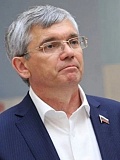 Aleksandr Petrov — Deputy, Member of the State Duma Committee on Health Protection of the Federal Assembly of the Russian Federation
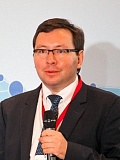 Sergey Glagolev — Deputy Minister of Health of the Russian Federation
 Kirill Danishevskiy — Vice President for Corporate Communications, Petrovax Pharm
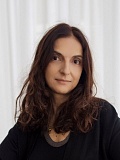 Alisa Dzhangiryants — Deputy General Director for Ensuring Access of Drugs to the Market and Oncology, Swix Healthcare
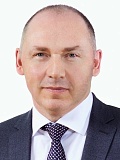 Dmitry Kudlay — Vice President for the Introduction of New Medical Technologies, Generium
 Irina Panarina — General Manager, AstraZeneca Russia and Eurasia
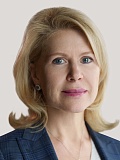 Ekaterina Priezzheva — Deputy Minister of Industry and Trade of the Russian Federation
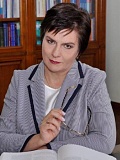 Alla Samoylova — Head, Federal Service for Surveillance in Healthcare (Roszdravnadzor)
 Vadim Tarasov — Vice-Rector for Scientific and Technological Development, Director, Institute of Translational Medicine and Biotechnology Institute of Translational Medicine and Biotechnology, I.M. Sechenov First Moscow State Medical University
Moderator:
 Aleksandr Petrov — Deputy, Member of the State Duma Committee on Health Protection of the Federal Assembly of the Russian Federation
Speakers:
 Sergey Glagolev — Deputy Minister of Health of the Russian Federation
 Kirill Danishevskiy — Vice President for Corporate Communications, Petrovax Pharm
Kirill Danishevsk has over 10 years of experience working in management positions at leading international pharmaceutical companies, such as Abbott, Novartis, and Takeda.
In 1998, Kirill graduated from the Education and Pedagogical Science Faculty of Sechenov University. In 1999, he received a Master’s in Public Health from the Hebrew University-Hadassah Braun School of Public Health and Community Medicine (Jerusalem, Israel). In 2003, he successfully defended his Candidate’s dissertation (Faculty of Health Care Management, Sechenov University). In 2016, he received a PhD from the London School of Hygiene & Tropical Medicine and then received a Doctor of Medical Sciences doctoral degree from Sechenov University in 2011.
Kirill is a professor for the Health Care Administration and Economics programme of the Higher School of Economics. He authored over 50 research publications.
In 1998, Kirill graduated from the Education and Pedagogical Science Faculty of Sechenov University. In 1999, he received a Master’s in Public Health from the Hebrew University-Hadassah Braun School of Public Health and Community Medicine (Jerusalem, Israel). In 2003, he successfully defended his Candidate’s dissertation (Faculty of Health Care Management, Sechenov University). In 2016, he received a PhD from the London School of Hygiene & Tropical Medicine and then received a Doctor of Medical Sciences doctoral degree from Sechenov University in 2011.
Kirill is a professor for the Health Care Administration and Economics programme of the Higher School of Economics. He authored over 50 research publications.
 Alisa Dzhangiryants — Deputy General Director for Ensuring Access of Drugs to the Market and Oncology, Swix Healthcare
 Dmitry Kudlay — Vice President for the Introduction of New Medical Technologies, Generium
Corresponding Member of the Russian Academy of Sciences, Doctor of Medical Sciences, Deputy General Director of JSC GENERIUM, Deputy Dean for Innovation and Translational Work of the Faculty of Fundamental Medicine, Lomonosov Moscow State University, Professor of the Department of Pharmacology, Institute of Pharmacy, Sechenov Moscow State Medical University under the Ministry of Health of Russia, leading researcher at the State Scientific Center Institute of Immunology, FMBA of Russia.
Honorary Chemist of the Russian Federation, Laureate of the Russian Government Prize in the field of science and technology. Awarded the Medals of the Order of Merit for the Fatherland, I and II degrees.
A native of the city of Novokuznetsk, Kemerovo region.
Education:
- Novosibirsk State Medical University, Medicine faculty.
- Moscow Pedagogical State University, Foreign languages.
Currently holds a senior position in the biotechnology company GENERIUM, which develops and produces innovative and reproduced medicines used in various areas of healthcare.
He is a leading specialist in the field of fundamental and practical medical biotechnology, immunobiology, molecular diagnostics and cell therapy.
The practical area of his activity is development, scaling up of production and implementation of therapeutic proteins and advanced therapy medical products for diagnosis and treatment of severe socially significant diseases.
Author of 489 scientific papers, including 18 monographs and practical guides, as well as 9 patents for inventions. Hirsch index according to RSCI equals to 38. Member of the editorial board of 8 scientific journals.
He is a member of:
- National Association of Rare Disease Experts,
- National Association of Experts in the Field of Primary Immunodeficiencies,
- National Association of Specialists in Thrombosis, Clinical Hemostasiology and Hemorheology,
- FABA (Federation of Asian Biotechnology Associations),
- EBTNA (European Biotechnology Thematic Network Association),
- ERS (European Respiratory Society).
Actively implements scientific achievements, being:
- Deputy Chairman of the Council for the priority direction “20c” of scientific and technological development of the Russian Federation “Transition to personalized medicine, high-tech healthcare and health-saving technologies, including through the rational use of medicines” under the President of the Russian Federation,
- Expert of the Council for the Development of the Pharmaceutical Industry of the Ministry of Industry and Trade of Russia regarding innovative products,
- Co-author of the state programs of the Strategy for the Development of the Pharmaceutical Industry of the Russian Federation “Pharma 2020” and “Pharma 2030”,
- Member of the Board of Trustees of the Russian Science Foundation (RSF),
- Member of the Council of the Presidium of the Russian Academy of Sciences on personalized medicine,
- Member of the interdepartmental council of the Russian Academy of Sciences on scientific substantiation and support of the pharmaceutical policy of the Russian Federation,
- Member of the Expert Council of the Sirius University of Science and Technology and the Sirius Educational Center.
Honorary Chemist of the Russian Federation, Laureate of the Russian Government Prize in the field of science and technology. Awarded the Medals of the Order of Merit for the Fatherland, I and II degrees.
A native of the city of Novokuznetsk, Kemerovo region.
Education:
- Novosibirsk State Medical University, Medicine faculty.
- Moscow Pedagogical State University, Foreign languages.
Currently holds a senior position in the biotechnology company GENERIUM, which develops and produces innovative and reproduced medicines used in various areas of healthcare.
He is a leading specialist in the field of fundamental and practical medical biotechnology, immunobiology, molecular diagnostics and cell therapy.
The practical area of his activity is development, scaling up of production and implementation of therapeutic proteins and advanced therapy medical products for diagnosis and treatment of severe socially significant diseases.
Author of 489 scientific papers, including 18 monographs and practical guides, as well as 9 patents for inventions. Hirsch index according to RSCI equals to 38. Member of the editorial board of 8 scientific journals.
He is a member of:
- National Association of Rare Disease Experts,
- National Association of Experts in the Field of Primary Immunodeficiencies,
- National Association of Specialists in Thrombosis, Clinical Hemostasiology and Hemorheology,
- FABA (Federation of Asian Biotechnology Associations),
- EBTNA (European Biotechnology Thematic Network Association),
- ERS (European Respiratory Society).
Actively implements scientific achievements, being:
- Deputy Chairman of the Council for the priority direction “20c” of scientific and technological development of the Russian Federation “Transition to personalized medicine, high-tech healthcare and health-saving technologies, including through the rational use of medicines” under the President of the Russian Federation,
- Expert of the Council for the Development of the Pharmaceutical Industry of the Ministry of Industry and Trade of Russia regarding innovative products,
- Co-author of the state programs of the Strategy for the Development of the Pharmaceutical Industry of the Russian Federation “Pharma 2020” and “Pharma 2030”,
- Member of the Board of Trustees of the Russian Science Foundation (RSF),
- Member of the Council of the Presidium of the Russian Academy of Sciences on personalized medicine,
- Member of the interdepartmental council of the Russian Academy of Sciences on scientific substantiation and support of the pharmaceutical policy of the Russian Federation,
- Member of the Expert Council of the Sirius University of Science and Technology and the Sirius Educational Center.
 Irina Panarina — General Manager, AstraZeneca Russia and Eurasia
Since May 2017 Irina Panarina has been appointed to the position of General Manager of AstraZeneca, Russia and Eurasia. Irina is responsible for AstraZeneca business in Russia & Eurasia Area and she leads AstraZeneca Russia.
Irina Panarina has worked for AstraZeneca since 2009. In October 2015 Irina joined the Russian team as Cardiovascular and Metabolic Disease Business Unit Head. Before coming to Russia, Irina Panarina held the position of General Manager at AstraZeneca Ukraine.
Prior to joining AstraZeneca Irina held regional roles at GSK Pharma headquarters in London, UK.
Irina Panarina has work experience in marketing, product portfolio management, people development.
Irina Panarina has degrees from Newcastle University & South Bank University. She also holds MBA degree from INSEAD Business School.
Irina Panarina has worked for AstraZeneca since 2009. In October 2015 Irina joined the Russian team as Cardiovascular and Metabolic Disease Business Unit Head. Before coming to Russia, Irina Panarina held the position of General Manager at AstraZeneca Ukraine.
Prior to joining AstraZeneca Irina held regional roles at GSK Pharma headquarters in London, UK.
Irina Panarina has work experience in marketing, product portfolio management, people development.
Irina Panarina has degrees from Newcastle University & South Bank University. She also holds MBA degree from INSEAD Business School.
 Ekaterina Priezzheva — Deputy Minister of Industry and Trade of the Russian Federation
 Alla Samoylova — Head, Federal Service for Surveillance in Healthcare (Roszdravnadzor)
Born in Cheboksary.
1990: Graduated from the Chuvash State University named after I. N. Ulyanov with a degree in medicine.
2002: Awarded with the badge “Excellent Worker of Public Health”.
2007: Honored doctor of the Chuvash Republic.
2010: Doctor of Science in medicine.
2012: Professor of obstetrics and gynecology.
1987-1990 – nurse, obstetrician-gynecologist at the industrial hospitals in Cheboksary.
1990-1993 – Full-time postgraduate study at Chuvash State University.
1993-1994 - Assistant at the Obstetrics and Gynecology Department of the Chuvash State University.
1994-2012 – Chief Doctor of the Presidential Perinatal Center of the Ministry of Health and social development of the Chuvash Republic.
2010-2017 – Head of the Department of Obstetrics and Gynecology named after G. M. Vorontsova, of the Chuvash State University.
2012-2015 – Deputy Chair at the Cabinet of Ministers of the Chuvash Republic - Minister of Health and Social Development of the Chuvash Republic.
2015-2017 – Minister of Health of the Chuvash Republic.
2018-2019 – Adviser to the Head of the Federal Service for Surveillance in Healthcare.
2019-2020 – Head of the Department of State Control of Implementation of State Healthcare Programs, the Federal Service for Surveillance in Healthcare.
2020 – Director of the Project Activities Department, the Ministry of Health of the Russian Federation.
Since April 10, 2020 - Head of the Federal Service for Surveillance in Healthcare.
1990: Graduated from the Chuvash State University named after I. N. Ulyanov with a degree in medicine.
2002: Awarded with the badge “Excellent Worker of Public Health”.
2007: Honored doctor of the Chuvash Republic.
2010: Doctor of Science in medicine.
2012: Professor of obstetrics and gynecology.
1987-1990 – nurse, obstetrician-gynecologist at the industrial hospitals in Cheboksary.
1990-1993 – Full-time postgraduate study at Chuvash State University.
1993-1994 - Assistant at the Obstetrics and Gynecology Department of the Chuvash State University.
1994-2012 – Chief Doctor of the Presidential Perinatal Center of the Ministry of Health and social development of the Chuvash Republic.
2010-2017 – Head of the Department of Obstetrics and Gynecology named after G. M. Vorontsova, of the Chuvash State University.
2012-2015 – Deputy Chair at the Cabinet of Ministers of the Chuvash Republic - Minister of Health and Social Development of the Chuvash Republic.
2015-2017 – Minister of Health of the Chuvash Republic.
2018-2019 – Adviser to the Head of the Federal Service for Surveillance in Healthcare.
2019-2020 – Head of the Department of State Control of Implementation of State Healthcare Programs, the Federal Service for Surveillance in Healthcare.
2020 – Director of the Project Activities Department, the Ministry of Health of the Russian Federation.
Since April 10, 2020 - Head of the Federal Service for Surveillance in Healthcare.
 Vadim Tarasov — Vice-Rector for Scientific and Technological Development, Director, Institute of Translational Medicine and Biotechnology Institute of Translational Medicine and Biotechnology, I.M. Sechenov First Moscow State Medical University
In 2009, he graduated with honors from the Pharmaceutical Faculty of the Moscow Medical Academy named after I.M. Sechenov of Roszdrav. From 2009 to 2012, he studied at the postgraduate program at the Department of Pharmaceutical Technology of the First Moscow State Medical University named after I.M. Sechenov of the Ministry of Health and Social Development of Russia under the guidance of the head of the department, Professor, Doctor of Physical Sciences I.I. Krasnyuk. In 2012, he defended his dissertation for the degree of Candidate of Pharmaceutical Sciences on the topic "Development and Application of Polymer Delivery Systems for Neurotropic Drugs" (specialty 14.04.01 - Drug Production Technology). He began his career as a laboratory technician at the Department of Normal Physiology of MMA named after I.M. Sechenov in 2006, and from 2008, he transferred to work in the Laboratory of Biologically Active Compounds of the Research Institute of Molecular Medicine. From 2010, he worked in the scientific and organizational department, and in December 2011, he was appointed to the position of Director of the Volunteer Center. During his leadership of the Volunteer Center, he solved the task of preparing volunteers for doping control for the 2013 World Athletics Championships and the XXII Olympic and XI Paralympic Winter Games in Sochi in 2014. In April 2014, he moved to the position of head of the scientific and organizational department, where he coordinated the activities of the University's research units. Since January 2015, he has been transferred to the position of Head of the Innovation Management Department, and in December 2016, he headed the Technopark as Director. Since May 2014, he has headed the Department of Pharmacology at the Institute of Pharmacy and Translational Medicine (formerly the Faculty of Pharmacy). From September 1, 2016, he was appointed director of the Institute of Pharmacy and Translational Medicine, which combined the former pharmacy faculty and the research institute of pharmacy.
17 March
11:15–12:30
Lomonosov Cluster of the Sparrow Hills ISTC of Moscow State University, 3rd floor, conference hall 4
Broadcast
Where Does Health Begin? A Task for All of Us
People and the Environment
Today, each member of society is directly responsible for maintaining his/her health, regardless of his/her social role: employee or employer, physician or patient, parent or healthcare provider, resident of a large city or a small region. A key trend in the current stage of the healthcare industry’s development is the transition from a passive model of disease treatment to an active model of health management. This represents an evolution from responding to existing illnesses to the development of predictive and preventive medicine, i.e., pre-risk medicine. This approach shifts the focus from combatting to preventing diseases. However, this goal cannot be achieved without the seamless integration of healthy lifestyle principles into everyone’s daily routine and the introduction of modern risk modification technologies. What consistent steps must be taken at the state and societal levels to transform prevention from an obligation to a natural way of life? What role do employers play in fostering a culture of health, and what corporate healthcare tools and programmes are most effective today? How can scientific advances be quickly introduced into accessible practice?
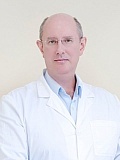 Aleksandr Rozanov — Director, Association of Medical Specialists on Risk Modification
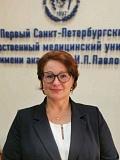 Elena Isaeva — Head of the Department of General and Clinical Psychology, Pavlov First Saint Petersburg State Medical University; Chief Freelance Medical Psychologist of the Saint Petersburg Health Committee
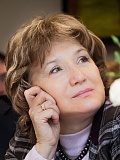 Larisa Popovich — Director, Institute for Health Economics, National Research University Higher School of Economics
 Ivan Rybakov — Head, "Corporate Well-Being" All-Russian Project
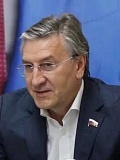 Airat Farrakhov — Member of the State Duma Committee of the Federal Assembly of the Russian Federation on Budget and Taxes; Deputy of the State Duma of the Federal Assembly of the Russian Federation; Vice-President, National Medical Chamber
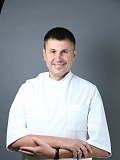 Oles Shevchenko — Chairman, Professional Society of Dental Hygienists of Russia
 Elena Yashina — Advisor to the General Director, Tatneft
Moderator:
 Aleksandr Rozanov — Director, Association of Medical Specialists on Risk Modification
Speakers:
 Elena Isaeva — Head of the Department of General and Clinical Psychology, Pavlov First Saint Petersburg State Medical University; Chief Freelance Medical Psychologist of the Saint Petersburg Health Committee
 Larisa Popovich — Director, Institute for Health Economics, National Research University Higher School of Economics
Education: MSU (Higher nervous activity biologist-physiologist), Academy of the National Economy under the Government of the Russian Federation (Economics, finance and insurance), the Federal Supervision Service for Healthcare of the Russian Federation (Public health and organisation of healthcare), CSc (biology). Has been a WHO expert.
Up to 1997: worked at scientific institutions of the Academy of Sciences and the Academy of Medical Sciences.
1997–2009: ROSNO-MS insurance company (Senior Deputy General Director, member of the Board of Directors).
Since 2009: the Higher School of Economics National Research University (expert, scientific and educational activities). Key clients: Government of the RF and authorities of constituent entities of the RF.
Experience of public work:
• Member of the Expert Council of the Russian Government.
• Expert of the Strategic Initiative Agency.
• Head of working group of the Co-ordinating Committee for Public-private Partnership, Ministry of Health of the RF.
• Head of commission of the Public Council under the Federal Supervision Service for Healthcare of the Russian Federation (Roszdravnadzor).
Professional interests:
• organisation and economic of healthcare;
• modern medical and social technologies;
• social and medical insurance;
• provision of medicines and medical equipment;
• public-private partnership in the social sphere.
Up to 1997: worked at scientific institutions of the Academy of Sciences and the Academy of Medical Sciences.
1997–2009: ROSNO-MS insurance company (Senior Deputy General Director, member of the Board of Directors).
Since 2009: the Higher School of Economics National Research University (expert, scientific and educational activities). Key clients: Government of the RF and authorities of constituent entities of the RF.
Experience of public work:
• Member of the Expert Council of the Russian Government.
• Expert of the Strategic Initiative Agency.
• Head of working group of the Co-ordinating Committee for Public-private Partnership, Ministry of Health of the RF.
• Head of commission of the Public Council under the Federal Supervision Service for Healthcare of the Russian Federation (Roszdravnadzor).
Professional interests:
• organisation and economic of healthcare;
• modern medical and social technologies;
• social and medical insurance;
• provision of medicines and medical equipment;
• public-private partnership in the social sphere.
 Ivan Rybakov — Head, "Corporate Well-Being" All-Russian Project
 Airat Farrakhov — Member of the State Duma Committee of the Federal Assembly of the Russian Federation on Budget and Taxes; Deputy of the State Duma of the Federal Assembly of the Russian Federation; Vice-President, National Medical Chamber
Work experience
State Duma of the Federal Assembly Russian Federation, Moscow, Russia:
Member of the State Duma VII convocation, committee on budget and taxes
• Chairman of the subcommittee on:
• Budget for the Russian pension fund
• Federal Fund for Compulsory Health Insurance
• Social Security Fund budget
Ministry of Finances of Russia, Moscow, Russia:
The Deputy Minister
• Budgetary activities in healthcare, civil sciences, culture, education, physical culture and sports, tourism, youth policy, pensions and social security for civilians, social insurance, employment; in the 2014 Olympic Winter Games in Sochi, the preparation and hosting of the 2018 FIFA World Cup.
Ministry of Health care of Russia, Moscow, Russia:
The Deputy Minister
• Healthcare industry finances (obligatory investments, federal and regional budget, private investments)
• Health care digitalization
Ministry of Health care of republic of Tatarstan, Kazan, Russia:
The Minister, member of government board of republic of Tatarstan
• Ensured an increase in the volume of high-tech medical care by three times, reduced the incidence of child morbidity and mortality, increased life expectancy due to a decrease in mortality
• Reformed the structure of medical care by optimizing inefficient medical organizations, restructuring the financial support for the program of state guarantees
State Duma of the Federal Assembly Russian Federation, Moscow, Russia:
Member of the State Duma VII convocation, committee on budget and taxes
• Chairman of the subcommittee on:
• Budget for the Russian pension fund
• Federal Fund for Compulsory Health Insurance
• Social Security Fund budget
Ministry of Finances of Russia, Moscow, Russia:
The Deputy Minister
• Budgetary activities in healthcare, civil sciences, culture, education, physical culture and sports, tourism, youth policy, pensions and social security for civilians, social insurance, employment; in the 2014 Olympic Winter Games in Sochi, the preparation and hosting of the 2018 FIFA World Cup.
Ministry of Health care of Russia, Moscow, Russia:
The Deputy Minister
• Healthcare industry finances (obligatory investments, federal and regional budget, private investments)
• Health care digitalization
Ministry of Health care of republic of Tatarstan, Kazan, Russia:
The Minister, member of government board of republic of Tatarstan
• Ensured an increase in the volume of high-tech medical care by three times, reduced the incidence of child morbidity and mortality, increased life expectancy due to a decrease in mortality
• Reformed the structure of medical care by optimizing inefficient medical organizations, restructuring the financial support for the program of state guarantees
 Oles Shevchenko — Chairman, Professional Society of Dental Hygienists of Russia
 Elena Yashina — Advisor to the General Director, Tatneft
17 March
13:30–14:45
Lomonosov Cluster of the Sparrow Hills ISTC of Moscow State University, 1st floor, conference hall 2
Broadcast
Rehabilitation of Winners: Reintegration into Life
Early Risk Medicine and Rehabilitation
Modern rehabilitation medicine is a rapidly developing interdisciplinary field that integrates advances in clinical medicine, digital technologies, and various aspects of social and psychological disciplines within an evidence-based approach. Its goal is to create a continuous, personalized recovery system that aims to reintegrate patients into their former professional and social environments. One solution to these challenges is the establishment of high-tech rehabilitation centres for combat veterans, which take an interdisciplinary approach to treating both physical and psychological injuries. Sports rehabilitation, which borrows from professional sports methods, has become another highly effective field. These principles have proven effective not only for athletes, but for all patients, significantly reducing recovery times and enabling a return to a full, active life. What modern digital technologies have already been integrated into the rehabilitation process, and how are they influencing the personalization of people’s recovery? What criteria and biomarkers are being used to assess the success of a patient’s professional and social reintegration after completion of the active phase of treatment? What barriers are still hindering widespread access to rehabilitation for combat veterans, and what are some of the ways to overcome them in the compulsory health insurance system?
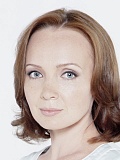 Evelina Zakamskaya — TV Presenter, Russia 24 TV Channel; Editor-in-Chief, Doctor TV Channel
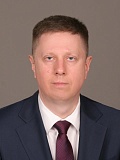 Ilya Balanin — Chairman, Federal Mandatory Medical Insurance Fund (FOMS)
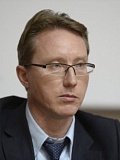 Sergey Vylegzhanin — Deputy Chairman, Medical Unit, Defenders of the Fatherland Foundation
 Diana Gurtskaya — Chairperson, Commission on Accessible Environment and Development of Inclusive Practices, Civic Chamber of the Russian Federation; President, At the Call of the Heart Charitable Foundation
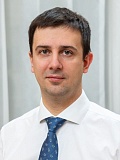 Dmitry Ligomina — Deputy Minister of Labor and Social Protection of the Russian Federation
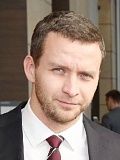 Ilya Komarov — President, Charitable Foundation "Warmth of Kindness"
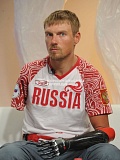 Alexey Obydennov — Three-time World Champion in Paracycling
 Ekaterina Plieva — Head of the Expert Center for Comprehensive Rehabilitation, Development of Inclusive Technologies, and Social Adaptation of Citizens with Disabilities, Delovaya Rossiya (Business Russia)
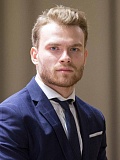 Yaroslav Svyatoslavsky — Vice President, Interregional Physical Culture and Sports Public Organization "Cybathletics Federation"; member of the Russian Paralympic team
Moderator:
 Evelina Zakamskaya — TV Presenter, Russia 24 TV Channel; Editor-in-Chief, Doctor TV Channel
Evelina Zakamskaya was born on November 17, 1977, in Baku, and graduated from the Faculty of Philology at Tver State University. She is a presenter for Radio Mayak and for Mir, a television and radio company. Since 2006, she has been an anchor for television channel Russia 24. She writes and presents Mnenie (Opinion), a talk show covering social and political issues, and Idei, menyayushchie mir (World-Changing Ideas), a series of popular science programmes. Evelina Zakamskaya moderates Russia 24 sessions at major international forums. Since 2017 - Editor-in-Chief, Doctor Channel. She is married with two daughters.
Speakers:
 Ilya Balanin — Chairman, Federal Mandatory Medical Insurance Fund (FOMS)
Ilya Balanin was born in the city of Kostroma, on 29-th December 1976.
Graduated from the Kostroma State Agricultural Academy in 1999. Economist, candidate of economic Sciences.
He worked at the Federal Treasury Administration of the Kostroma Region from 1999 to 2011, where he was the Head of the Financial and Treasury Department of the Kostroma Administration.
Since April 2011 he headed the Department of Finance of the Kostroma Region.
Since September 2016 - the Deputy Chairman of the Government of the Yaroslavl Region, Director of the Department of Finance.
Appointed as Deputy Governor-Head of Administration of the Governor of the Yaroslavl Region in September 2019.
In February 2022 he was appointed as the Deputy Head of the Federal Agency for the Commonwealth of Independent States, Compatriots Living Abroad and International Humanitarian Cooperation by the Decree of the President of the Russian Federation Vladimir Putin.
In April 2022 by Russian Federation Government Decree he was appointed Chairman of the Russian Federal Compulsory Health Insurance Fund.
Graduated from the Kostroma State Agricultural Academy in 1999. Economist, candidate of economic Sciences.
He worked at the Federal Treasury Administration of the Kostroma Region from 1999 to 2011, where he was the Head of the Financial and Treasury Department of the Kostroma Administration.
Since April 2011 he headed the Department of Finance of the Kostroma Region.
Since September 2016 - the Deputy Chairman of the Government of the Yaroslavl Region, Director of the Department of Finance.
Appointed as Deputy Governor-Head of Administration of the Governor of the Yaroslavl Region in September 2019.
In February 2022 he was appointed as the Deputy Head of the Federal Agency for the Commonwealth of Independent States, Compatriots Living Abroad and International Humanitarian Cooperation by the Decree of the President of the Russian Federation Vladimir Putin.
In April 2022 by Russian Federation Government Decree he was appointed Chairman of the Russian Federal Compulsory Health Insurance Fund.
 Sergey Vylegzhanin — Deputy Chairman, Medical Unit, Defenders of the Fatherland Foundation
 Diana Gurtskaya — Chairperson, Commission on Accessible Environment and Development of Inclusive Practices, Civic Chamber of the Russian Federation; President, At the Call of the Heart Charitable Foundation
Diana Gurtskaya is a People's Artist of Russia, President of the "At the Call of the Heart" Charitable Foundation, and Artistic Director of the Diana Gurtskaya Center for Social Integration.
Since 2013 Diana Gurtskaya has served on the Presidential Commission on Disability, and since 2019 she has also served as First Deputy Chair of the Civic Chamber of the Russian Federation's Commission on Social Partnership, Care, and the Development of Inclusive Practices.
For many people with disabilities, Diana Gurtskaya is an example of resilience, professional tenacity, and incredible fortitude. In 2004, she founded the "At the Call of the Heart" Charitable Foundation for Blind and Partially Sighted Children, which for 22 years has been helping children in Russia and the CIS realize their creative dreams.
In 2018 with the support of the Moscow Department of Labor and Social Protection, the Diana Gurtskaya Center for Social Integration was established. As its artistic director, Diana Gurtskaya and her team of teachers launched sociocultural rehabilitation programs that enable children with various disabilities to learn creativity and successfully integrate into the urban agglomeration.
Since 2013 Diana Gurtskaya has served on the Presidential Commission on Disability, and since 2019 she has also served as First Deputy Chair of the Civic Chamber of the Russian Federation's Commission on Social Partnership, Care, and the Development of Inclusive Practices.
For many people with disabilities, Diana Gurtskaya is an example of resilience, professional tenacity, and incredible fortitude. In 2004, she founded the "At the Call of the Heart" Charitable Foundation for Blind and Partially Sighted Children, which for 22 years has been helping children in Russia and the CIS realize their creative dreams.
In 2018 with the support of the Moscow Department of Labor and Social Protection, the Diana Gurtskaya Center for Social Integration was established. As its artistic director, Diana Gurtskaya and her team of teachers launched sociocultural rehabilitation programs that enable children with various disabilities to learn creativity and successfully integrate into the urban agglomeration.
 Dmitry Ligomina — Deputy Minister of Labor and Social Protection of the Russian Federation
Front row participants:
 Ilya Komarov — President, Charitable Foundation "Warmth of Kindness"
 Alexey Obydennov — Three-time World Champion in Paracycling
 Ekaterina Plieva — Head of the Expert Center for Comprehensive Rehabilitation, Development of Inclusive Technologies, and Social Adaptation of Citizens with Disabilities, Delovaya Rossiya (Business Russia)
 Yaroslav Svyatoslavsky — Vice President, Interregional Physical Culture and Sports Public Organization "Cybathletics Federation"; member of the Russian Paralympic team
Svyatoslavsky Yaroslav Alexandrovich (born September 1, 1993) — Vice President of the Cybathletics Federation, Russian Paralympic athlete. Bronze medalist at the UCI World Cup in Belgium (2021), multiple Russian champion in para-cycling. The first paratriathlete from Russia to complete the official IRONMAN distance of 226 km, seven-time finisher.
On November 28, 2009, he fell from a height of 12 meters during training and sustained a severe spinal injury. In 2014, he became the first test pilot of a Russian medical exoskeleton (Skolkovo Foundation). His participation in clinical trials helped bring the product to both Russian and international markets. In 2024, he completed the Impulse ultra-triathlon (487+ km) from the Sirius Federal Territory to Crimea in support of spinal cord injury research.
He works at the Motorica Group — Russia's leading manufacturer of bionic prosthetics and assistive rehabilitation devices. He serves as Vice President of the Cybathletics Federation — an organization developing adaptive sport among users of high-tech rehabilitation devices in Russia.
Authorized representative of V. V. Putin (2018, 2024), finalist of the Leaders of Russia.
On November 28, 2009, he fell from a height of 12 meters during training and sustained a severe spinal injury. In 2014, he became the first test pilot of a Russian medical exoskeleton (Skolkovo Foundation). His participation in clinical trials helped bring the product to both Russian and international markets. In 2024, he completed the Impulse ultra-triathlon (487+ km) from the Sirius Federal Territory to Crimea in support of spinal cord injury research.
He works at the Motorica Group — Russia's leading manufacturer of bionic prosthetics and assistive rehabilitation devices. He serves as Vice President of the Cybathletics Federation — an organization developing adaptive sport among users of high-tech rehabilitation devices in Russia.
Authorized representative of V. V. Putin (2018, 2024), finalist of the Leaders of Russia.
17 March
13:30–14:45
Lomonosov Cluster of the Sparrow Hills ISTC of Moscow State University, 3rd floor, conference hall 4
Broadcast
Clinic on Your wrist: The Role of Wearable Devices in the Modern Preventive System
Healthcare Innovations and Technologies
Today, we are on the threshold of a revolution where digital services give patients seamless access to a wide range of tools to monitor their health. Smart assistants, such as watches, fitness trackers, rings, and other wearable gadgets, are becoming increasingly popular both in Russia and worldwide. These devices don’t simply complement our image; they are fundamentally changing our behaviour, forcing users to reconsider their approach to preventive care, and becoming the first line of defence in preventing disease. Data validation is a key focus. Technology developers are working to obtain the status of medical devices for their inventions and conducting clinical trials to ensure their data can be trusted unconditionally. Meanwhile, the industry is also addressing the problem of ‘information noise’. How can we distinguish arrhythmia from sensor failure? How can comprehensive health monitoring prevent increased anxiety and hypochondria among the population? Where will technological transformation ultimately lead us, and will gadgets be able to replace doctors?
 Olga Kobyakova — Central Research Institute for Organization and Informatization of Health Care of the Ministry of Health of the Russian Federation
 Alexander Gusev — Business Development Director, Webiomed
 Ekaterina Gutor — Director, Department of Medical Support for Train Safety, Central Directorate of Healthcare – a branch of Russian Railways
 Anton Kokin — Head of the "Medicine" Project Office, United Instrument-Making Corporation
 Dmitry Temnov — Director, Department of Digital Development and Information Technology, Ministry of Health of the Russian Federation
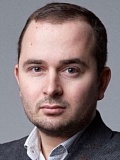 Victor Ushakov — Executive Director, Health Industry Center, Sberbank
Moderator:
 Olga Kobyakova — Central Research Institute for Organization and Informatization of Health Care of the Ministry of Health of the Russian Federation
Olga Sergeevna Kobyakova was born in Tomsk in 1974. She graduated from Siberian State Medical University with a degree in therapeutics, followed by postgraduate and doctoral studies. After graduating from the university, she held the position of a doctor at the Tomsk Regional Clinical Hospital. From 2003 to 2014, she worked in the Department of Health of the Tomsk Region, moving from chief specialist-therapist to department head. In 2012–2014, she studied in London under the EMBA program at Kingston University in the field of "strategic management." As the head of the regional health department, she oversaw the implementation of the program "Modernization of Healthcare in Tomsk Oblast for 2011–2013." According to the results of the program implementation, according to the estimates of the Ministry of Health, Tomsk Oblast has become one of the leading regions. Since graduating from SibGMU, she has combined state service with scientific and pedagogical activities, being a part-time employee of the medical university. In 2008, she created and headed the Department of General Medical Practice at SibGMU. Professor, Doctor of Medical Sciences. Author of 199 scientific publications and educational-methodological works. In 2015, appointed to the position of Rector of the Siberian State Medical University.
Speakers:
 Alexander Gusev — Business Development Director, Webiomed
 Ekaterina Gutor — Director, Department of Medical Support for Train Safety, Central Directorate of Healthcare – a branch of Russian Railways
 Anton Kokin — Head of the "Medicine" Project Office, United Instrument-Making Corporation
 Dmitry Temnov — Director, Department of Digital Development and Information Technology, Ministry of Health of the Russian Federation
 Victor Ushakov — Executive Director, Health Industry Center, Sberbank
Front row participant:
Ilya Blokhin — General Director, Center for Sleep and Awakening Neurotechnologies
17 March
15:15–16:30
Lomonosov Cluster of the Sparrow Hills ISTC of Moscow State University, 1st floor, conference hall 2
Broadcast
Health in Your Daily Planner: How to Avoid Ignoring a Healthy Lifestyle in the Era of Multitasking
People and the Environment
Such modern realities as a fast-paced lifestyle, a culture of multitasking, an abundance of unhealthy food, physical inactivity, and chronic cognitive overload all create an environment in which classic notions of a healthy lifestyle seem virtually impossible to achieve. Today, the main challenge is not about finding extra time for a healthy lifestyle, but seamlessly integrating it into the fabric of your everyday life. This approach requires a rethinking of your core habits. In terms of physical activity, the emphasis is shifting from hours-long workouts in the gym to short but regular high-intensity interval training and ‘sports microbreaks’. In nutrition, the strategy is drifting away from strict diets toward the conscious creation of a ‘nutritious plate’ that ensures you feel full for a long time and have a stable level of energy without all the gruelling calorie counting. New behavioural patterns are also built on this same principle of constructive substitution: alcohol consumption is evolving with complex non-alcoholic alternatives, and people are systematically giving up smoking. What psychological barriers do people face when trying to incorporate ‘healthy micro-habits’ into their busy schedules? What are some quick and healthy alternatives to common unhealthy snacks for those who have little time? What exercises or workouts are easiest to integrate into an office or home routine without special equipment?
 Elena Aksenova — Director, Research Institute for Healthcare Organization and Medical Management of Moscow Healthcare Department
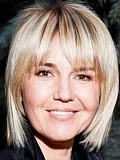 Julia Bordovskikh — Health Coach; Brand Creator, Vitamin L
 Maxim Gittya — Head coach of the Russian National Team in Universal Fight
Vladimir Goncharevich — Director of Interaction with Regional and Foreign Government Authorities, Ozon
Maxim Gittya — Head coach of the Russian National Team in Universal Fight
Vladimir Goncharevich — Director of Interaction with Regional and Foreign Government Authorities, Ozon
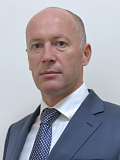 Victor Fisenko — First Deputy Minister of Health of the Russian Federation
Moderator:
 Elena Aksenova — Director, Research Institute for Healthcare Organization and Medical Management of Moscow Healthcare Department
Elena Aksenova has been working at the Research Institute since December 2018.
Educated at Moscow State Pedagogical University, National Research University Higher School of Economics, Russian Presidential Academy of National Economy and Public Administration.
She worked as Vice-Rector for Development and Innovation at the I.M. Sechenov First Moscow State Medical University of the Russian Ministry of Health. She was Deputy Head of the Department of Innovative Development of Medical Science of RAMS, Head of the Expert Analytical Department of the Federal Agency for Scientific Organizations, Deputy Chief Scientific Secretary of the Presidium of the Russian Academy of Sciences.
Before assuming the position of Director of the Research Institute for Innovative Development of Medical Science of the DSMH, she was the Head of the Center for Strategic Planning of Science Development, Expertise and Scientific Advice of the RAS.
Educated at Moscow State Pedagogical University, National Research University Higher School of Economics, Russian Presidential Academy of National Economy and Public Administration.
She worked as Vice-Rector for Development and Innovation at the I.M. Sechenov First Moscow State Medical University of the Russian Ministry of Health. She was Deputy Head of the Department of Innovative Development of Medical Science of RAMS, Head of the Expert Analytical Department of the Federal Agency for Scientific Organizations, Deputy Chief Scientific Secretary of the Presidium of the Russian Academy of Sciences.
Before assuming the position of Director of the Research Institute for Innovative Development of Medical Science of the DSMH, she was the Head of the Center for Strategic Planning of Science Development, Expertise and Scientific Advice of the RAS.
Speakers:
 Julia Bordovskikh — Health Coach; Brand Creator, Vitamin L
 Maxim Gittya — Head coach of the Russian National Team in Universal Fight
Vladimir Goncharevich — Director of Interaction with Regional and Foreign Government Authorities, Ozon
Maxim Gittya — Head coach of the Russian National Team in Universal Fight
Vladimir Goncharevich — Director of Interaction with Regional and Foreign Government Authorities, Ozon
Artyom Spiro — Entrepreneur, Restaurateur, Healthy Nutrition Expert
 Victor Fisenko — First Deputy Minister of Health of the Russian Federation
17 March
15:15–16:30
Lomonosov Cluster of the Sparrow Hills ISTC of Moscow State University, 3rd floor, conference hall 4
Broadcast
Personalized Medicine: An Individual Path to Good Health
Early Risk Medicine and Rehabilitation
A key trend in modern healthcare is the shifting focus from diseases to patients themselves, with their unique needs, genetic characteristics, and lifestyle. This approach makes it possible to develop an individualized health trajectory, where prevention and risk management are based on personal data, the results of in-depth examinations, and genetic analysis, which help to identify individual risks at the earliest, preclinical stage. What are some of the effective mechanisms for integrating genetic screening data and biomarkers into daily preventive care? What technologies can be used to develop personalized recommendations for adjusting lifestyle, nutrition, and physical activity? What role can health resorts play in continuous health monitoring and promotion?
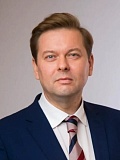 Ivan Deev — Director, Department of the Monitoring, Analysis, and Strategic Development of Healthcare, Ministry of Health of the Russian Federation
 Vsevolod Belousov — Director, Federal Center of Brain Research and Neurotechnologies of the Federal Medical Biological Agency of Russia
 Oleg Lavrov — Advisor to the General Director, Innovative Engineering Center
 Sergey Lukyanov — Rector, N.I. Pirogov Russian National Research Medical University
 Kirill Masliev — Head of the Department of Preventive Medicine with a Biohacking Course, Peoples' Friendship University of Russia named after Patrice Lumumba; President, Heroes Charitable Foundation
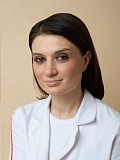 Anastasia Semenova — Oncologist, Department of Antitumor Drug Therapy and Hematology, N.N. Blokhin National Medical Research Center of Oncology, Ministry of Health of the Russian Federation
 Svetlana Nezvanova — Medical Director, RK-Medicine Foundation
Moderator:
 Ivan Deev — Director, Department of the Monitoring, Analysis, and Strategic Development of Healthcare, Ministry of Health of the Russian Federation
Speakers:
 Vsevolod Belousov — Director, Federal Center of Brain Research and Neurotechnologies of the Federal Medical Biological Agency of Russia
Born on February 19, 1975 in Nalchik, KBR.
Graduated from the Faculty of Biology, Lomonosov Moscow State University in 1998.
D. in Biology (2013), Professor of the Russian Academy of Sciences, Head of the Department of Metabolism and Redox Biology of the Institute of Biochemistry of the Russian Academy of Sciences, Professor at the University of Göttingen.
Vsevolod Belousov is a scientist known in Russia and worldwide, a specialist in synthetic biology, molecular neurotechnology, and biomedicine. Biosensor and bioengineering technologies developed by Vsevolod Belousov are used by hundreds of laboratories worldwide. One of the main areas of Belousov's research is thermogenetics: controlling the activity of neurons and other cells by means of temperature-sensitive ion channels. Thermogenetic technologies are being developed to activate the brain, heart and pancreas. Another area of research is metabolic engineering - creation of artificial metabolic pathways in cells. For the development of technology to manage oxidative stress at the subcellular level and its application to study the mechanisms of heart failure, Vsevolod Belousov was awarded the Discovery Award-2019 by the Society for Redox Biology and Medicine in the USA.
Since 2019, Vsevolod Belousov has headed the Federal Brain and Neurotechnology Center of the Federal Medical and Biological Agency of Russia, a flagship scientific-clinical center that conducts research on pathologies of the nervous system and provides high-tech medical care in the profiles of neurology, neurorehabilitation, and neurosurgery. In the first wave of the Covid-19 pandemic, the Center was converted to an infectious disease hospital to treat patients with the new coronavirus infection. Vsevolod Belousov was awarded the Silver Cross of the Federal Medical and Biological Agency of Russia for successful organization of the clinic's work during the pandemic.
Graduated from the Faculty of Biology, Lomonosov Moscow State University in 1998.
D. in Biology (2013), Professor of the Russian Academy of Sciences, Head of the Department of Metabolism and Redox Biology of the Institute of Biochemistry of the Russian Academy of Sciences, Professor at the University of Göttingen.
Vsevolod Belousov is a scientist known in Russia and worldwide, a specialist in synthetic biology, molecular neurotechnology, and biomedicine. Biosensor and bioengineering technologies developed by Vsevolod Belousov are used by hundreds of laboratories worldwide. One of the main areas of Belousov's research is thermogenetics: controlling the activity of neurons and other cells by means of temperature-sensitive ion channels. Thermogenetic technologies are being developed to activate the brain, heart and pancreas. Another area of research is metabolic engineering - creation of artificial metabolic pathways in cells. For the development of technology to manage oxidative stress at the subcellular level and its application to study the mechanisms of heart failure, Vsevolod Belousov was awarded the Discovery Award-2019 by the Society for Redox Biology and Medicine in the USA.
Since 2019, Vsevolod Belousov has headed the Federal Brain and Neurotechnology Center of the Federal Medical and Biological Agency of Russia, a flagship scientific-clinical center that conducts research on pathologies of the nervous system and provides high-tech medical care in the profiles of neurology, neurorehabilitation, and neurosurgery. In the first wave of the Covid-19 pandemic, the Center was converted to an infectious disease hospital to treat patients with the new coronavirus infection. Vsevolod Belousov was awarded the Silver Cross of the Federal Medical and Biological Agency of Russia for successful organization of the clinic's work during the pandemic.
 Oleg Lavrov — Advisor to the General Director, Innovative Engineering Center
 Sergey Lukyanov — Rector, N.I. Pirogov Russian National Research Medical University
Sergey Lukyanov graduated from Lomonosov Moscow State University in 1985, majoring in Physiology. In 1986, started working at the Shemyakin and Ovchinnikov Institute of Bioorganic Chemistry, rising in the ranks from Research Assistant to Head of Laboratory.
In 1994, he successfully defended his PhD dissertation ‘Cloning of a novel Xenopus homeobox gene XANF-1 by subtractive hybridization,’ which he completed at the Laboratory of Structure and Function of Human Genes under the supervision of Prof. Eugene D. Sverdlov. In 1999, he successfully defended his doctoral (DrSc) disseration ‘Selective suppression of polymerase chain reaction’ at the Institute of Bioorganic Chemistry, advised by Prof. Eugene D. Sverdlov.
In 2003, he became a Corresponding Member of the Russian Academy of Science and became a full Academician of the Russian Academy of Sciences in 2011.
In 2010–2014, he received a mega grant from the Russian Government to create a fluorescent bio-imaging laboratory at Nizhny Novgorod State Medical Academy (now Privolzhsky Research Medical University). This laboratory became the foundation of the NNSMA Biomedical Technology Research Institute. In 2012–2013, served as Acting Assistant to the Minister of Health of the Russian Federation. In 2013–2015, was the Vice Rector of the Pirogov Russian National Research Medical University (RNRMU). He became Acting Rector on 29 April 2015 and was elected the Rector of RNRMU in 2016.
Over the course of his work, Lukyanov published more than 180 research papers in Russian and foreign journals (with an h-index of 58 and a ‘sum of times cited’ over 18,000 according to Web of Science) and patented 51 inventions.
In 2006, he was awared the Russian Academy of Sciences Ovchinnikov Prize for outstanding work in physicochemical biology and biotechnology for his paper ‘Fluorescent proteins: finding, investigation and use in biotechnology.’ In 2012, he was awarded the RUSNANOPRIZE Nanotechnology International Prize. In 2015, he was conferred the Russian Federation National Award in science and technology for the development and implementation of a technological complex for the analysis of compound genome structure and functions.
In 1994, he successfully defended his PhD dissertation ‘Cloning of a novel Xenopus homeobox gene XANF-1 by subtractive hybridization,’ which he completed at the Laboratory of Structure and Function of Human Genes under the supervision of Prof. Eugene D. Sverdlov. In 1999, he successfully defended his doctoral (DrSc) disseration ‘Selective suppression of polymerase chain reaction’ at the Institute of Bioorganic Chemistry, advised by Prof. Eugene D. Sverdlov.
In 2003, he became a Corresponding Member of the Russian Academy of Science and became a full Academician of the Russian Academy of Sciences in 2011.
In 2010–2014, he received a mega grant from the Russian Government to create a fluorescent bio-imaging laboratory at Nizhny Novgorod State Medical Academy (now Privolzhsky Research Medical University). This laboratory became the foundation of the NNSMA Biomedical Technology Research Institute. In 2012–2013, served as Acting Assistant to the Minister of Health of the Russian Federation. In 2013–2015, was the Vice Rector of the Pirogov Russian National Research Medical University (RNRMU). He became Acting Rector on 29 April 2015 and was elected the Rector of RNRMU in 2016.
Over the course of his work, Lukyanov published more than 180 research papers in Russian and foreign journals (with an h-index of 58 and a ‘sum of times cited’ over 18,000 according to Web of Science) and patented 51 inventions.
In 2006, he was awared the Russian Academy of Sciences Ovchinnikov Prize for outstanding work in physicochemical biology and biotechnology for his paper ‘Fluorescent proteins: finding, investigation and use in biotechnology.’ In 2012, he was awarded the RUSNANOPRIZE Nanotechnology International Prize. In 2015, he was conferred the Russian Federation National Award in science and technology for the development and implementation of a technological complex for the analysis of compound genome structure and functions.
 Kirill Masliev — Head of the Department of Preventive Medicine with a Biohacking Course, Peoples' Friendship University of Russia named after Patrice Lumumba; President, Heroes Charitable Foundation
 Anastasia Semenova — Oncologist, Department of Antitumor Drug Therapy and Hematology, N.N. Blokhin National Medical Research Center of Oncology, Ministry of Health of the Russian Federation
Front row participant:
 Svetlana Nezvanova — Medical Director, RK-Medicine Foundation
17 March
15:15–16:30
Lomonosov Cluster of the Sparrow Hills ISTC of Moscow State University, 2nd floor, conference hall 3
Broadcast
Preventing Behavioural Risk Factors for Non-communicable Diseases: The Efficacy of Restrictions and Prohibitions
Early Risk Medicine and Rehabilitation
The growing prevalence of chronic diseases poses a challenge to the entire world and is forcing national healthcare systems to mobilize their resources to the maximum. The preventive measures that are being developed and introduced by Russia’s closest neighbours – countries of the former Soviet Union – go beyond medical prevention. State-sponsored approaches are often comprehensive and systemic, and involve the implementation of large-scale policies to reduce tobacco and alcohol consumption and combat harmful habits. How effective is this system of restrictions and prohibitions?
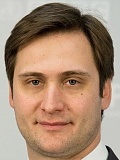 Oleg Salagay — State Secretary – Deputy Minister of Health of the Russian Federation
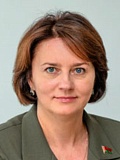 Elena Bogdan — First Deputy Minister of Health of the Republic of Belarus
 Alexander Bolkhovityanov — Project Manager for Localizing Yandex Products into the Languages of the Peoples of Russia, Yandex
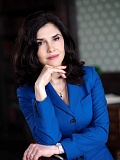 Oksana Drapkina — Director, National Health and Research Centre of Preventive Healthcare, Ministry of Health of the Russian Federation
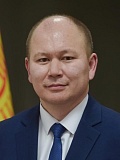 Bakytbek Kadyraliev — Deputy Minister of Health of the Kyrgyz Republic
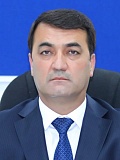 Habibullo Muhiddin — Deputy Minister of Health and Social Protection of the Republic of Tajikistan
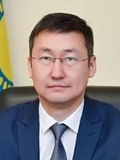 Timur Sultangaziyev — First Vice Minister of Health of the Republic of Kazakhstan
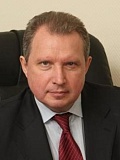 Alexey Khripun — Moscow Government Minister; Head, Moscow Healthcare Department
 Elena Shamal — Advisor to the Department for Cooperation in the Political, Humanitarian, and Social Spheres of the Executive Committee of the Commonwealth of Independent States
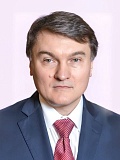 Yury Zinchenko — Dean of the Faculty of Psychology, Lomonosov Moscow State University; Chief Visiting Specialist in Medical Psychology of the Ministry of Health of the Russian Federation; Director, Federal Scientific Center for Psychological and Interdisciplinary Research
Moderator:
 Oleg Salagay — State Secretary – Deputy Minister of Health of the Russian Federation
Oleg Salagay, Candidate of Medical Sciences, Director of the Department of Public Health and Communications of the Ministry of Healthcare of the Russian Federation, Press Secretary of the Minister of Healthcare of the Russian Federation Veronika Skvortsova.
Born on 3 October 1983 in Irkutsk (Irkutsk Oblast).
In 2005, graduated with honours from Irkutsk State Medical University.
In 2006, graduated with honours from the Academy of Labour and Social Relations, Department of Law.
In 2010, graduated with honours from the Diplomatic Academy of Russian Foreign Ministry.
In 2011, received a Master’s Degree in European Law from Moscow State Institute of International Relations (MGIMO University) under the Ministry of Foreign Affairs of the Russian Federation.
Oleg Salagay is a member of many working groups under the auspices of the World Health Organization, BRICS, and bilateral cooperation. He is Chairman of the Conference of the Parties to the Framework Convention on Tobacco Control.
Born on 3 October 1983 in Irkutsk (Irkutsk Oblast).
In 2005, graduated with honours from Irkutsk State Medical University.
In 2006, graduated with honours from the Academy of Labour and Social Relations, Department of Law.
In 2010, graduated with honours from the Diplomatic Academy of Russian Foreign Ministry.
In 2011, received a Master’s Degree in European Law from Moscow State Institute of International Relations (MGIMO University) under the Ministry of Foreign Affairs of the Russian Federation.
Oleg Salagay is a member of many working groups under the auspices of the World Health Organization, BRICS, and bilateral cooperation. He is Chairman of the Conference of the Parties to the Framework Convention on Tobacco Control.
Speakers:
 Elena Bogdan — First Deputy Minister of Health of the Republic of Belarus
 Alexander Bolkhovityanov — Project Manager for Localizing Yandex Products into the Languages of the Peoples of Russia, Yandex
 Oksana Drapkina — Director, National Health and Research Centre of Preventive Healthcare, Ministry of Health of the Russian Federation
Doctor of medical Sciences, Professor, corresponding member of RAS
Oksana M. graduated from the MMA named after I. M. Sechenov in 1992. From 1992 to 1997 she worked in the intensive care unit of the clinic of internal diseases of MMA named after I. M. Sechenov. From 1997 to 2015 she worked at the Department of internal medicine propaedeutics First Moscow State Medical University named after I. M. Sechenov, where she was promoted from Department assistant to Professor. In 2013, she was Awarded the Russian government prize in the field of education. In 2017 she was appointed to the position of Director of "NMRC PM" of the Ministry of health of Russia.
Professor Drapkina combines ongoing clinical work with research activities.
Awards: diploma of the Ministry of health of Russia, Laureate of the Russian Government prize in education, badge " excellence in health care».
There were defended 16 PhD theses and 1 dissertation for the degree of doctor of medical Sciences under the scientific guidance of O. M. Drapkina, more than 600 scientific article were published in domestic and foreign journals, 7 monographs, 10 textbooks
Oksana M. graduated from the MMA named after I. M. Sechenov in 1992. From 1992 to 1997 she worked in the intensive care unit of the clinic of internal diseases of MMA named after I. M. Sechenov. From 1997 to 2015 she worked at the Department of internal medicine propaedeutics First Moscow State Medical University named after I. M. Sechenov, where she was promoted from Department assistant to Professor. In 2013, she was Awarded the Russian government prize in the field of education. In 2017 she was appointed to the position of Director of "NMRC PM" of the Ministry of health of Russia.
Professor Drapkina combines ongoing clinical work with research activities.
Awards: diploma of the Ministry of health of Russia, Laureate of the Russian Government prize in education, badge " excellence in health care».
There were defended 16 PhD theses and 1 dissertation for the degree of doctor of medical Sciences under the scientific guidance of O. M. Drapkina, more than 600 scientific article were published in domestic and foreign journals, 7 monographs, 10 textbooks
 Bakytbek Kadyraliev — Deputy Minister of Health of the Kyrgyz Republic
 Habibullo Muhiddin — Deputy Minister of Health and Social Protection of the Republic of Tajikistan
 Timur Sultangaziyev — First Vice Minister of Health of the Republic of Kazakhstan
 Alexey Khripun — Moscow Government Minister; Head, Moscow Healthcare Department
 Elena Shamal — Advisor to the Department for Cooperation in the Political, Humanitarian, and Social Spheres of the Executive Committee of the Commonwealth of Independent States
Front row participant:
 Yury Zinchenko — Dean of the Faculty of Psychology, Lomonosov Moscow State University; Chief Visiting Specialist in Medical Psychology of the Ministry of Health of the Russian Federation; Director, Federal Scientific Center for Psychological and Interdisciplinary Research
Yuri P. Zinchenko is Dean of the Faculty of Psychology at Moscow State University, Head of the Department of Psychology Methodology, Doctor of Psychological Sciences, Professor, Vice President of the Russian Academy of Education, RAO Academician, Laureate of the RF Government Prize for Education, Honorary Worker of Higher Professional Education of the Russian Federation, Gold Medal of the Russian Academy of Education, Honorary Professor at Fernando Pessoa University (Porto, Portugal).
He was born on December 23, 1966.
Education:
1988 - 1993 - Faculty of Psychology, Lomonosov Moscow State University
Studied at the Department of Psychology at Lomonosov Moscow State University between 1993 and 1997.
Y.P. Zinchenko is a member of the Academic Council of MSU, the Chairman of the Academic Council of the Department of Psychology of MSU, the Chairman of the Dissertation Council D 501.001.15 for thesis and doctoral dissertations at MSU. Under his leadership 2 doctoral dissertations and 10 Ph. He is the author of about 150 scientific works in Russian and foreign journals, including works in foreign languages, he is the author and co-author of 10 scientific monographs.
He is a member of the Education Commission of the Russian Academy of Sciences, co-director of the project, in the Basic Research Program of the Presidium of RAS "Economics and Sociology of Knowledge", Deputy Chairman of the Expert Council of VAK of the RF Ministry of Education and Science in Psychology, Chairman of the Psychology Council of the Russian Federation UME on classical university education. Chief freelance specialist in medical psychology, Ministry of Health of Russia (since 2013).
Elected President of the Russian Psychological Society, Honorary President of the Society of Psychologists of Power Structures, member of the Presidium of the International Union of Psychological Sciences (IUPsyS) at UNESCO, member of the governing bodies of the International Association of Applied Psychology (IAAP), member of the executive committee of the European Federation of Psychological Associations (EFPA), member of the Russian Philosophical Society. Professor Emeritus of the University of Paris III (Sorbonne) (France), visiting professor of the University of London. Passed research fellowships at Marshall European Center for Security Studies (FRG), universities: Paris VII (France), Yale (USA), Montreal (Canada), Freiburg (FRG), Basel and Geneva (Switzerland).
He is a member of scientific-methodological commissions and expert councils of the RF Security Council, RF Ministry of Defense, RF Ministry of Internal Affairs, RF Ministry of Civil Defense, Emergencies and Elimination of Consequences of Natural Disasters, RF Ministry of Justice, RF Ministry of Education and Science, RF Public Chamber.
P. Zinchenko is the editor-in-chief of the leading scientific journals in psychology, Vestnik (Herald) of Moscow University. P. Zinchenko is the editor-in-chief of the leading academic journals in psychology, "Vestnik (Herald) of Moscow University, Series 14. P. Zinchenko is the editor-in-chief of the leading scientific journals in psychology, such as "Bulletin of Moscow University, Psychology," "Russian Psychological Journal," "National Psychological Journal," the yearbook "Psychology in Russia," editorial board member of the journals "Methods and History of Psychology," "Psychology and Natural Sciences," "Psychology and Social Sciences," "Cognitive Science," "Bulletin of Practical Educational Psychology," "Legal Psychology," "World of Psychology," "Bulletin of South Ural State University. Psychology" series, "Siberian Psychological Journal," executive secretary of the series "Classical University Textbook of Moscow State University," member of the Editorial and Publishing Council of the Russian Academy of Education.
She has awards: Medal "In honor of the 850th anniversary of Moscow", badge "Honorary Worker of Higher Professional Education of the Russian Federation", Medal "For Commonwealth in the Name of Salvation".
He was born on December 23, 1966.
Education:
1988 - 1993 - Faculty of Psychology, Lomonosov Moscow State University
Studied at the Department of Psychology at Lomonosov Moscow State University between 1993 and 1997.
Y.P. Zinchenko is a member of the Academic Council of MSU, the Chairman of the Academic Council of the Department of Psychology of MSU, the Chairman of the Dissertation Council D 501.001.15 for thesis and doctoral dissertations at MSU. Under his leadership 2 doctoral dissertations and 10 Ph. He is the author of about 150 scientific works in Russian and foreign journals, including works in foreign languages, he is the author and co-author of 10 scientific monographs.
He is a member of the Education Commission of the Russian Academy of Sciences, co-director of the project, in the Basic Research Program of the Presidium of RAS "Economics and Sociology of Knowledge", Deputy Chairman of the Expert Council of VAK of the RF Ministry of Education and Science in Psychology, Chairman of the Psychology Council of the Russian Federation UME on classical university education. Chief freelance specialist in medical psychology, Ministry of Health of Russia (since 2013).
Elected President of the Russian Psychological Society, Honorary President of the Society of Psychologists of Power Structures, member of the Presidium of the International Union of Psychological Sciences (IUPsyS) at UNESCO, member of the governing bodies of the International Association of Applied Psychology (IAAP), member of the executive committee of the European Federation of Psychological Associations (EFPA), member of the Russian Philosophical Society. Professor Emeritus of the University of Paris III (Sorbonne) (France), visiting professor of the University of London. Passed research fellowships at Marshall European Center for Security Studies (FRG), universities: Paris VII (France), Yale (USA), Montreal (Canada), Freiburg (FRG), Basel and Geneva (Switzerland).
He is a member of scientific-methodological commissions and expert councils of the RF Security Council, RF Ministry of Defense, RF Ministry of Internal Affairs, RF Ministry of Civil Defense, Emergencies and Elimination of Consequences of Natural Disasters, RF Ministry of Justice, RF Ministry of Education and Science, RF Public Chamber.
P. Zinchenko is the editor-in-chief of the leading scientific journals in psychology, Vestnik (Herald) of Moscow University. P. Zinchenko is the editor-in-chief of the leading academic journals in psychology, "Vestnik (Herald) of Moscow University, Series 14. P. Zinchenko is the editor-in-chief of the leading scientific journals in psychology, such as "Bulletin of Moscow University, Psychology," "Russian Psychological Journal," "National Psychological Journal," the yearbook "Psychology in Russia," editorial board member of the journals "Methods and History of Psychology," "Psychology and Natural Sciences," "Psychology and Social Sciences," "Cognitive Science," "Bulletin of Practical Educational Psychology," "Legal Psychology," "World of Psychology," "Bulletin of South Ural State University. Psychology" series, "Siberian Psychological Journal," executive secretary of the series "Classical University Textbook of Moscow State University," member of the Editorial and Publishing Council of the Russian Academy of Education.
She has awards: Medal "In honor of the 850th anniversary of Moscow", badge "Honorary Worker of Higher Professional Education of the Russian Federation", Medal "For Commonwealth in the Name of Salvation".